
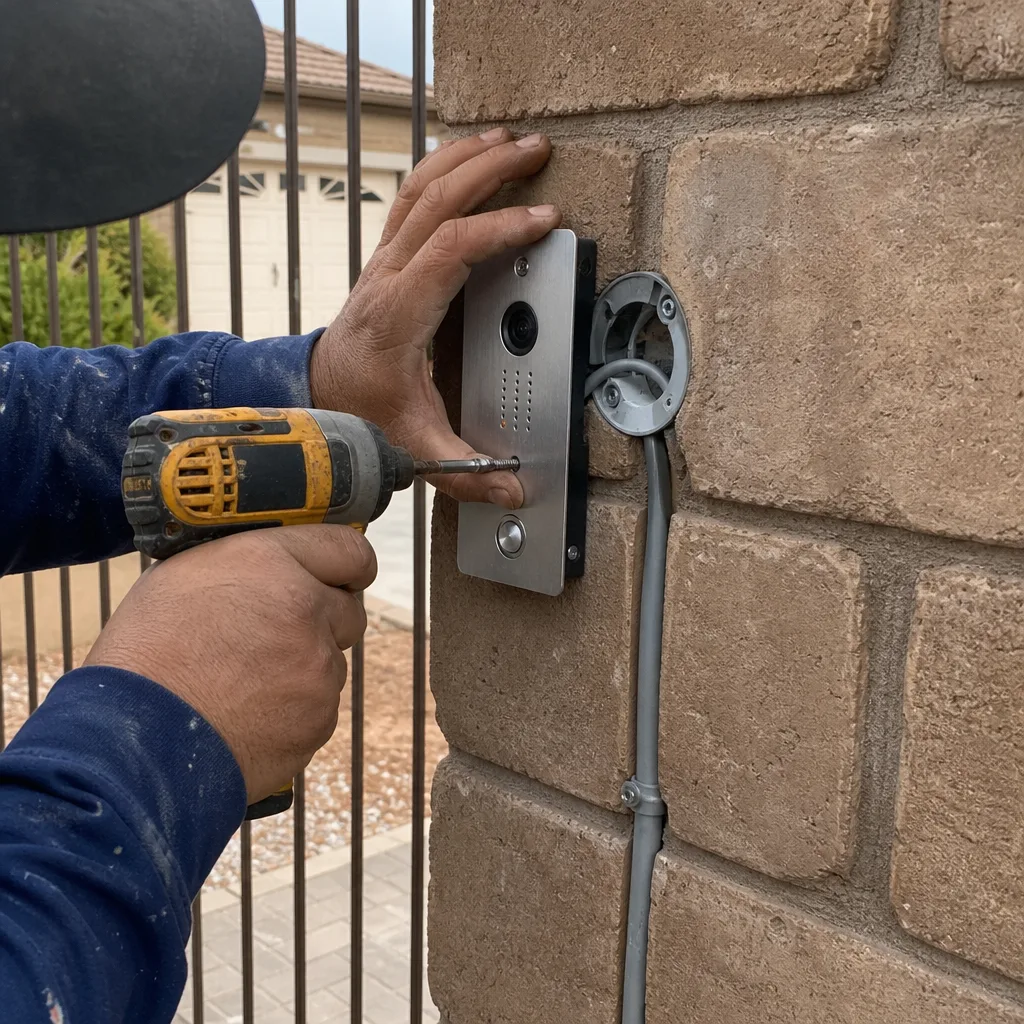
Last updated November 18, 2026
 Wrought iron
 Wood & steel frame
 Farm & ranch
 Sliding driveway gates
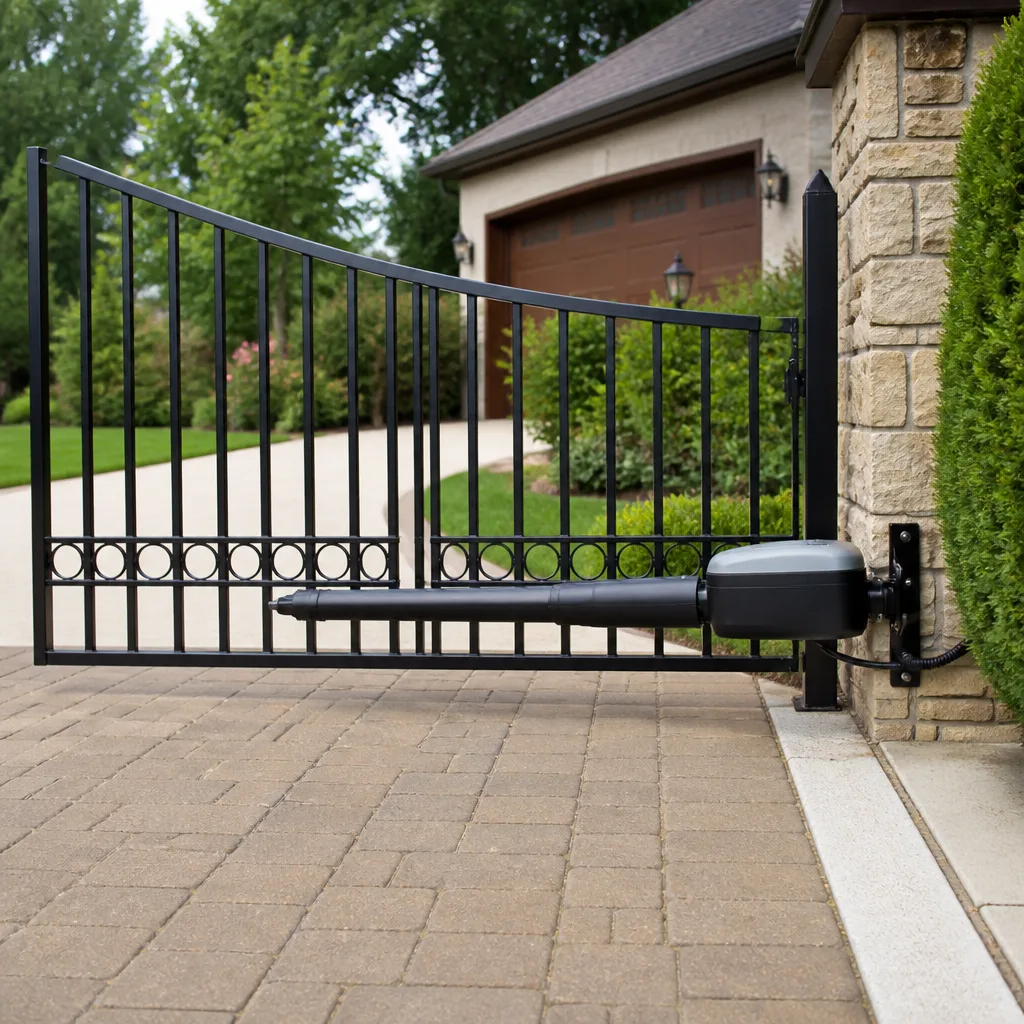 LiftMaster operators
Free on-site gate assessment - hinges, posts, and your LiftMaster or Nice gate operator checked before anything is quoted
The assessment is free and the quote is the invoice.
Get your free estimateGate Repair Permits, Codes & Inspections in NV: What You Need to Know
Nevada doesn’t require a permit to fix what’s broken, but it may require one to improve what wasn’t there, and those two categories sit closer together than most contractors admit. A new motor on an existing gate is maintenance. A taller gate, a new concrete pad, or a relocated post can quietly cross into structural alteration, which is where Clark County review enters the picture. Most homeowners never learn the difference until a buyer’s inspector or an insurance adjuster asks a question years later. This guide draws the line for you, with the Nevada rules, the low-voltage wiring details, the HOA layer that sits outside county permitting, and the specific paper trail worth keeping on every gate in Whitney.
Quick Answer
In Nevada, repairing an existing residential gate, replacing a motor, or swapping a worn hinge generally does not require a building permit. Work that changes the gate’s structure, height, footprint, or the electrical circuit feeding it can require Clark County review and an electrical permit. Separately, HOA architectural rules often apply even when the county has no say, so both layers are worth checking before work starts.
Styles & brands we work with
- Wrought iron
- Wood & steel frame
- Farm & ranch
- Sliding driveway gates
- LiftMaster operators
Table of Contents
- Repair vs. Alteration: Where Nevada Draws the Line
- The Nevada Revised Statutes Threshold and Clark County Review
- Low-Voltage Wiring Rules for Gate Operators
- The HOA Approval Layer in Whitney Communities
- What an Inspection Actually Covers
- Documentation to Keep, Permit or No Permit
- When an Unpermitted Gate Surfaces at Title Transfer
- Common Mistakes to Avoid
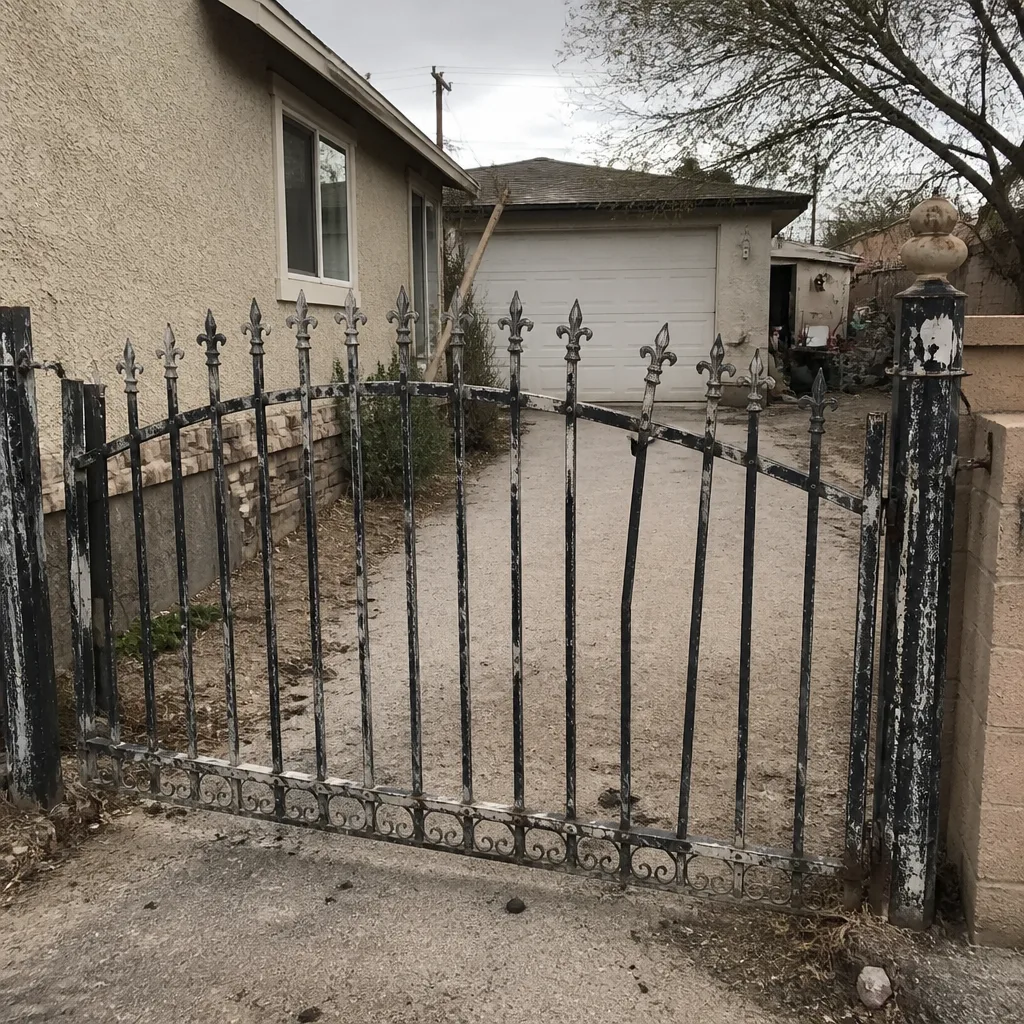 Before
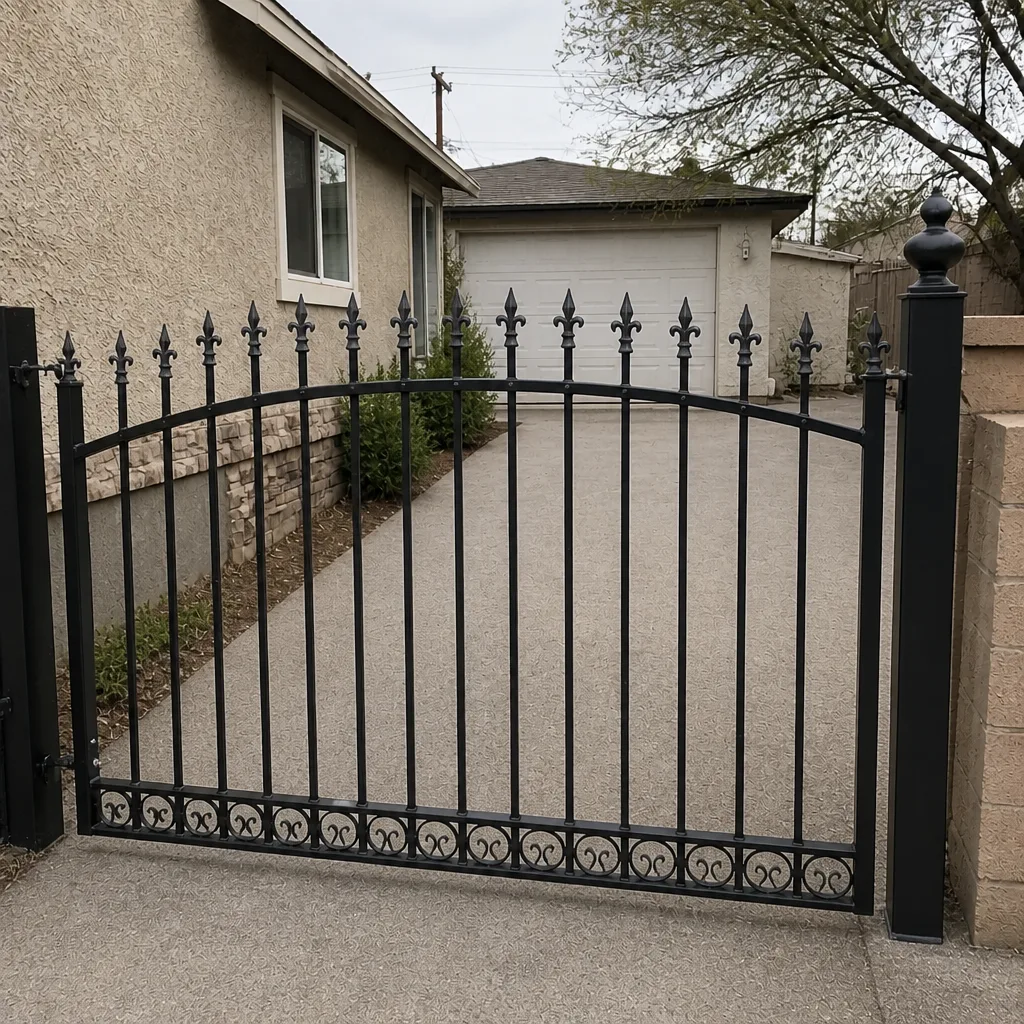 After
Repair vs. Alteration: Where Nevada Draws the Line
The distinction comes down to whether the gate’s structure, footprint, or electrical supply changes. Replacing a failed LiftMaster arm on the existing mount is a repair. Cutting a post loose and setting it in a new location is an alteration, and alterations are the category that triggers review more often than homeowners expect.
Repairs, in the plain sense a county plans examiner uses:
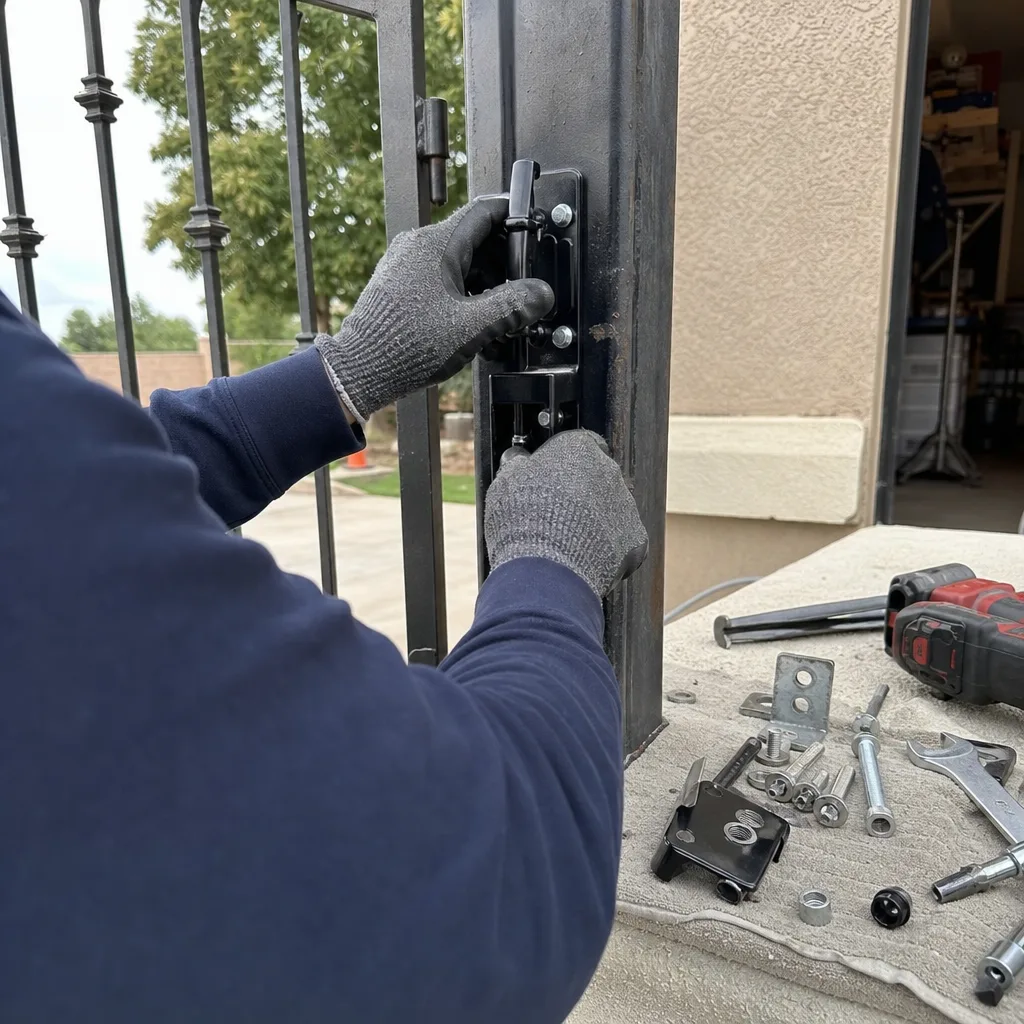
- Replacing a gate motor or opener arm on existing hardware
- Swapping a failed hinge, roller, or latch
- Realigning a gate that has sagged on its hinges
- Replacing a photo-eye, keypad, or receiver on the existing wiring
- Welding a cracked frame back to its original shape
Alterations, the category that usually needs review:
- Increasing gate height or changing the opening width
- Relocating a post, hinge, or operator mount
- Pouring a new concrete pad or footing
- Running a new electrical circuit to the operator location
- Changing a manual gate to an automated one where no power existed before
The last two are where most Whitney homeowners get caught off guard. A homeowner who asks us to replace a dead FAAC arm on a gate that already had power is squarely in repair territory. A homeowner who wants a new swing gate automated for the first time is not, because the electrical supply itself is new. Our gate motor and opener service in Whitney starts by confirming which side of that line the job sits on, in writing, before any tool comes out.
The Nevada Revised Statutes Threshold and Clark County Review
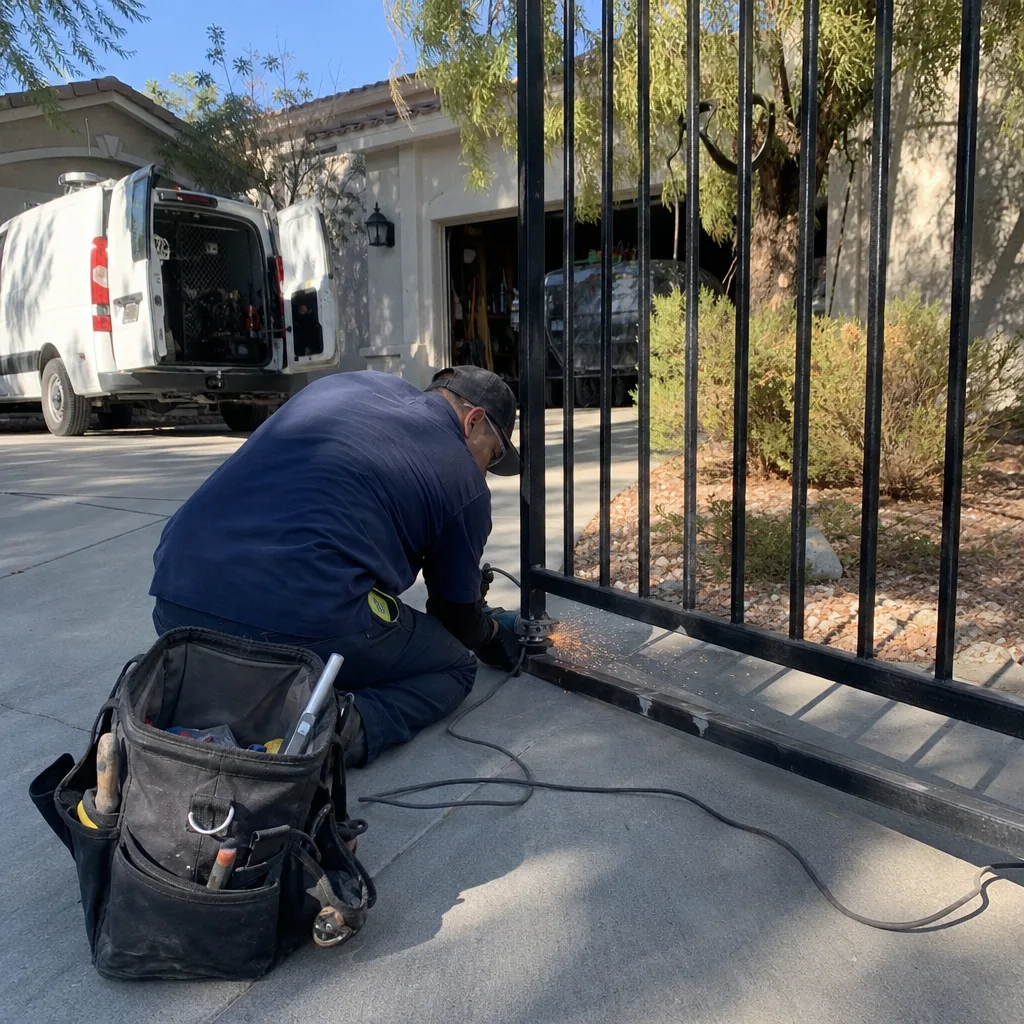
Nevada’s building codes are adopted at the state level through the Nevada Revised Statutes, then administered locally. For a gate in unincorporated Clark County, that administrator is Clark County’s Department of Building & Fire Prevention. The practical test is whether the work is a repair to an existing structural element or a new structure, and the county treats a new automated vehicular gate the way it treats any new structural installation.
A simplified walkthrough of how review typically flows:
- Confirm the scope. Repair-only work on an existing gate generally skips county review. Structural changes, new footings, or new electrical circuits do not.
- Determine jurisdiction. Whitney residents fall under Clark County for unincorporated areas, though properties inside a city boundary answer to that city’s building department instead.
- Submit the plan. Structural changes and new electrical supply usually require a plan submittal with a site drawing showing gate location, footing dimensions, and the operator’s point of connection.
- Pull the electrical permit separately. New low-voltage supply for the operator typically needs its own electrical permit, distinct from any structural review.
- Schedule the inspection. Footings are inspected before the pour, and the electrical rough-in is inspected before the trench is backfilled.
We’ve seen the surprise more than once: a homeowner assumes a “new gate” is a landscaping project, then the contractor’s electrician needs a permit to pull power to the operator, and the timeline doubles. Knowing which step you’re on before you sign a contract prevents that particular headache.
Low-Voltage Wiring Rules for Gate Operators
Gate operators run on low-voltage control wiring, and that has led many homeowners to assume low voltage means no rules. The National Electrical Code addresses this under Article 725, which covers Class 2 and Class 3 circuits. The rules matter because the wire between the operator and a keypad, photo-eye, or loop detector is still an electrical installation, and it is still subject to permitting when it is a new circuit rather than a replacement of existing wiring.
In plain terms, what Article 725 governs for a residential gate:
- Separation. Low-voltage control conductors are generally kept separated from line-voltage conductors in the same enclosure unless the cable is rated for the combination.
- Physical protection. Exposed low-voltage wiring that runs across a driveway or along the ground is a fail at inspection because it is not protected from physical damage.
- Conductor sizing. The gauge of the control wire has to match the operator’s listed requirements. Undersized wire on a long run is a common cause of phantom faults on BFT and Linear operators.
- Grounding and bonding. Metal gate frames and posts often need bonding, and we’ve traced intermittent faults to a missing bond more than once.
Whether the low-voltage run requires a permit at all usually comes down to new-versus-replacement. A new circuit from the house panel to the operator location needs an electrical permit and inspection. Replacing a failed photo-eye using the wire that’s already there typically does not. If the answer is “I’m not sure,” that is the moment to slow down.
The HOA Approval Layer in Whitney Communities
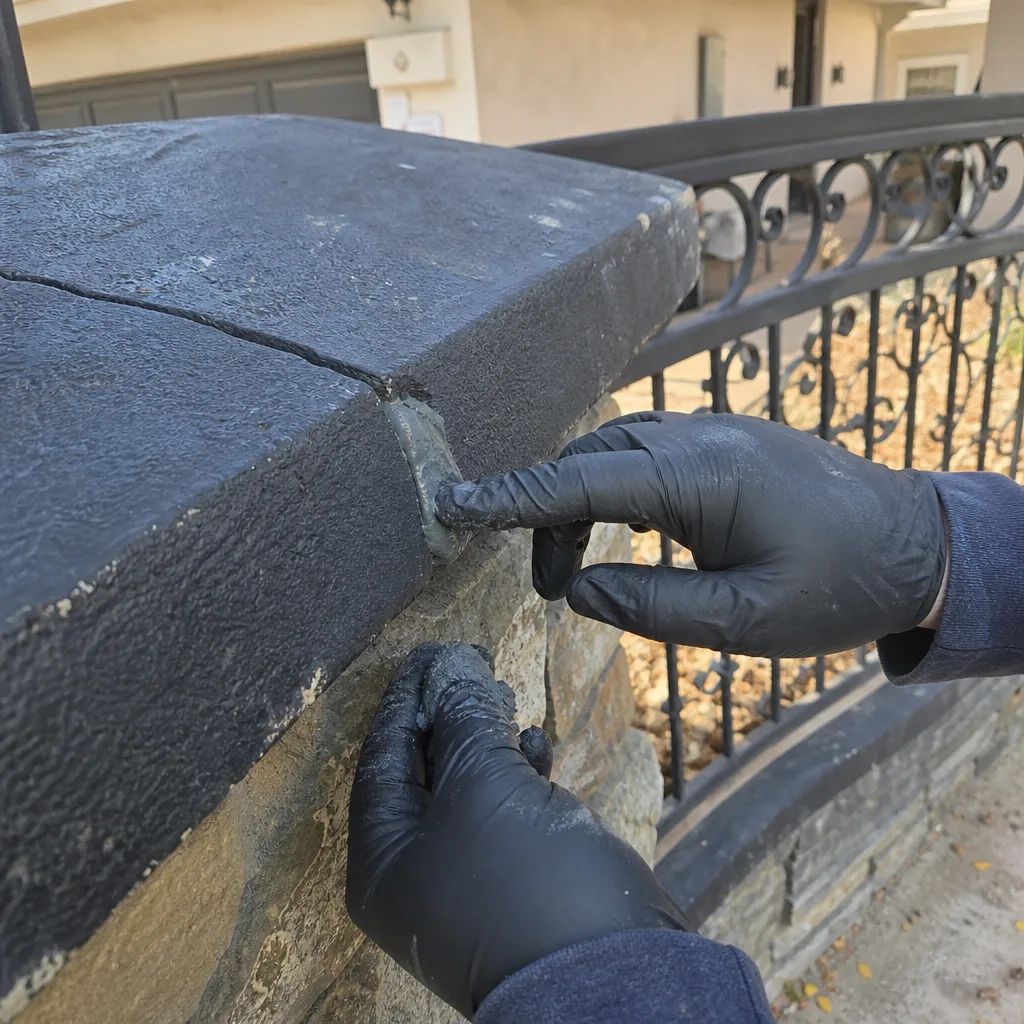
Here is the thing about the HOA layer in Whitney: it runs entirely parallel to the county permit system. The county may have no interest in your gate color, iron style, or height. Your HOA’s CC&Rs, the covenants, conditions, and restrictions recorded against your deed, may care deeply about all three.
An HOA architectural review often covers:
- Gate height and overall dimensions, even when the county has no limit
- Style, finish, and material (wrought iron versus tubular steel versus aluminum)
- Visibility into the driveway from the street, which is the reason many Whitney communities cap gate height in the first place
- Motor and operator noise thresholds, occasionally enforced in denser neighborhoods
- Setback from the property line, which some Whitney CC&Rs push further than the county requires
Approval usually requires a submittal to the architectural review committee with a drawing, dimensions, and a photo of the finished look. The approval timeline can run four to six weeks, sometimes longer if a board meeting is involved. We’ve seen homeowners order a custom gate, install it, and then receive a compliance letter six months later because the HOA never approved the design. Starting the HOA paperwork before the contractor schedules material is the simplest fix.
Our gate repair in Whitney work frequently touches HOA properties, and when our scope would change a gate’s appearance or dimensions, we flag it before the job so the homeowner has a head start on the review.
What an Inspection Actually Covers
When an inspection is required, the inspector is looking at safety and structural integrity, not decoration. Knowing what they check in advance means no callbacks and no re-inspection fees.
What a county inspector typically looks for on an automated gate:
- Footings and posts. Depth, base, and rebar per the approved plan, verified before the pour.
- Electrical rough-in. Conduit depth, the connection at the panel, and the disconnect for the operator.
- Entrapment protection. Photo-eyes (the infrared beam that stops and reverses the gate if something crosses its path) and any required edge sensors for sliding gates. The gate must stall and reverse under obstruction before inspection passes.
- Warning signage. The “Automatic Gate,” “Entrapment Hazard,” and “Do Not Operate” labels at the operator and the gate.
- Manual release. A functioning manual release so the gate can be opened by hand during a power failure.
- Documentation. Manufacturer installation instructions and a wiring diagram, usually the ones that came with the operator.
The photo-eye check is the one that fails most often, generally because the beam has shifted out of alignment after installation. We’ve reset photo-eyes on gates that passed a county inspection only to drift out of plumb at the first big Whitney wind event. Part of routine service is verifying alignment, not just fixing it after a complaint.
Documentation to Keep, Permit or No Permit
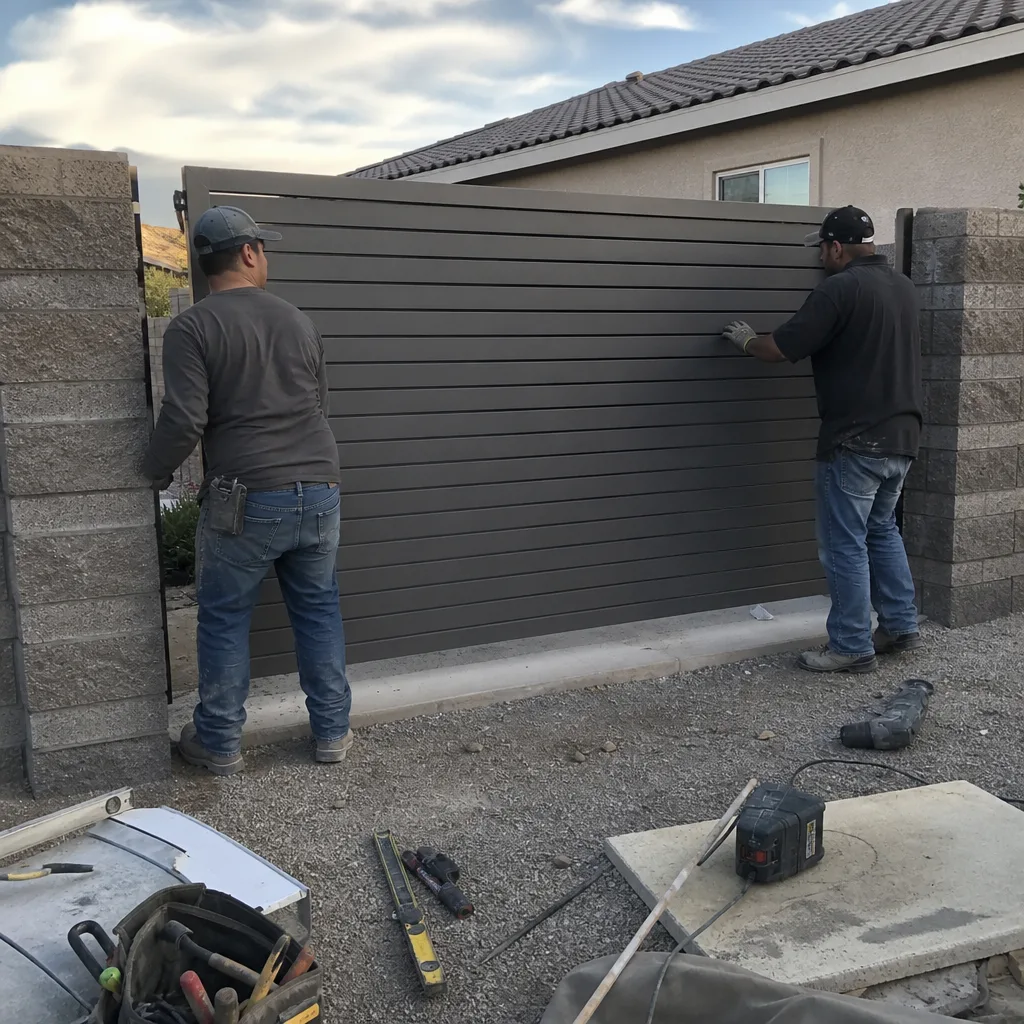
Regardless of whether a permit was required, the paperwork trail is the single most useful thing a homeowner can keep on a gate. It is what protects you at resale, at insurance claim time, and when a future technician shows up. Here is what to keep, in whatever folder or cloud drive you use for home records:
- Photos of the repair. Before, during, and after, showing what was found, what was adjusted, and what was installed. A photo log of limit-switch positions and photo-eye alignment is worth more than a receipt.
- A written scope of work. What was done, in plain terms, not a one-line “gate service” on an invoice.
- Part numbers and brand. The exact motor or arm replaced, including brand and model (LiftMaster, FAAC, BFT, Linear, and the like). This is what makes a future repair faster and cheaper.
- Wiring diagrams. If any wiring was touched, a schematic showing the connections made. This is standard practice on commercial access-control jobs, and there is no reason a residential gate should not have the same record.
- Approval letters. Any HOA architectural approval, and any permit inspection sign-offs, are worth keeping with the deed records.
This is exactly what we mean when we refer to The Haven Standard’s Clause 4, Evidence on every job. Every visit includes a documented photo record at no additional charge, left with the homeowner and filed in the job record. It is the sort of habit that started on commercial access-control sites, where a wiring diagram could save hours on a future service call, and there is no reason residential gates in Whitney should be treated any differently.
When an Unpermitted Gate Surfaces at Title Transfer
Here is the specific scenario where an unpermitted modification gets expensive. A homeowner has a new gate installed, does not pull a permit because the contractor says it’s not needed, and five years later the house goes up for sale. The buyer’s inspector notes the gate, the county records show no permit, and now the seller has to either prove the work was repair-only or go back through a retroactive review, which is slower, more expensive, and occasionally requires opening up the footing to verify depth.
The steps to prevent this from happening:
- Ask the contractor in writing whether a permit is required. Have them state, on the estimate, whether the work is repair or alteration, and why.
- Confirm the electrical scope. If a new circuit is being run to the operator, that is a permit item, no matter what the gate itself needed.
- Keep the inspection sign-off. If a permit was pulled, keep the final inspection record with the deed or in the home folder. A buyer’s agent will ask, and having it settles the question.
- Note the date and scope of any repair-only work. Signed written records from the contractor are sufficient for most title transfers.
- Verify at refinance and resale. Pull the property records before listing, not after the buyer’s inspector brings it up.
If you are staring at this exact problem now, our gate installation in Whitney service includes a documented scope of work on every job, and it is often the single record that clears a title question years later. If you have a competing contractor’s estimate and want a free second look, we will review the paperwork at no cost.
Common Mistakes to Avoid
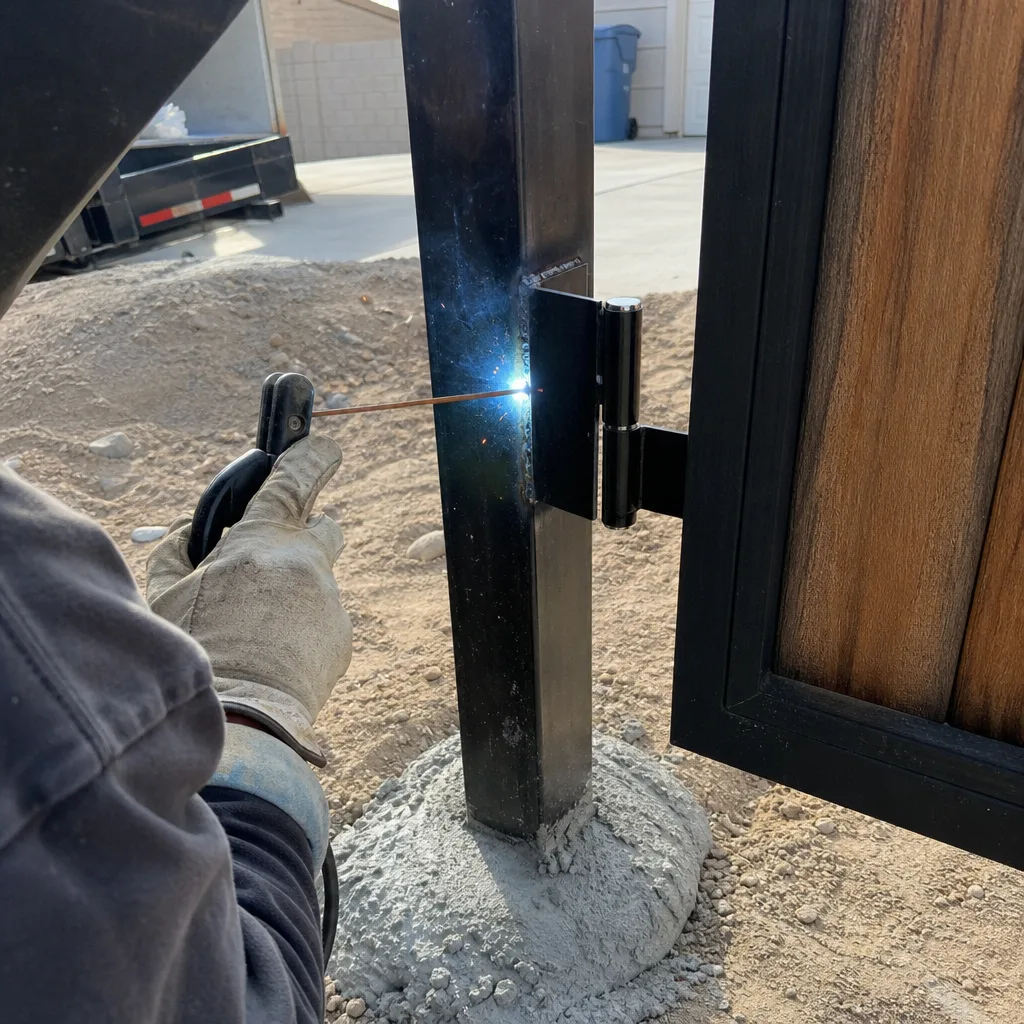
- Assuming “repair” covers a new gate. A full replacement is a new structure, not a repair, even when the old gate comes out the same day.
- Ignoring the HOA layer. In Whitney, CC&R approval often matters more than a county permit, and it runs on its own timeline.
- Running low-voltage wire without protection. Direct-buried control wiring across a driveway is a common inspection failure and a durability problem in Whitney’s summer heat.
- Skipping the entrapment testing. A motor installed without photo-eye and reversibility testing is a safety hazard, not just a code issue.
- Filing nothing. A gate with no photos, part numbers, or wiring diagram is a gate that will be rediagnosed from scratch by the next technician.
- Trusting a verbal “no permit needed.” Ask for the statement in writing on the estimate, with a one-line reason.
- Waiting until a sale to check records. Pulling property records and reviewing gate documentation before listing is the cheapest way to catch a problem.
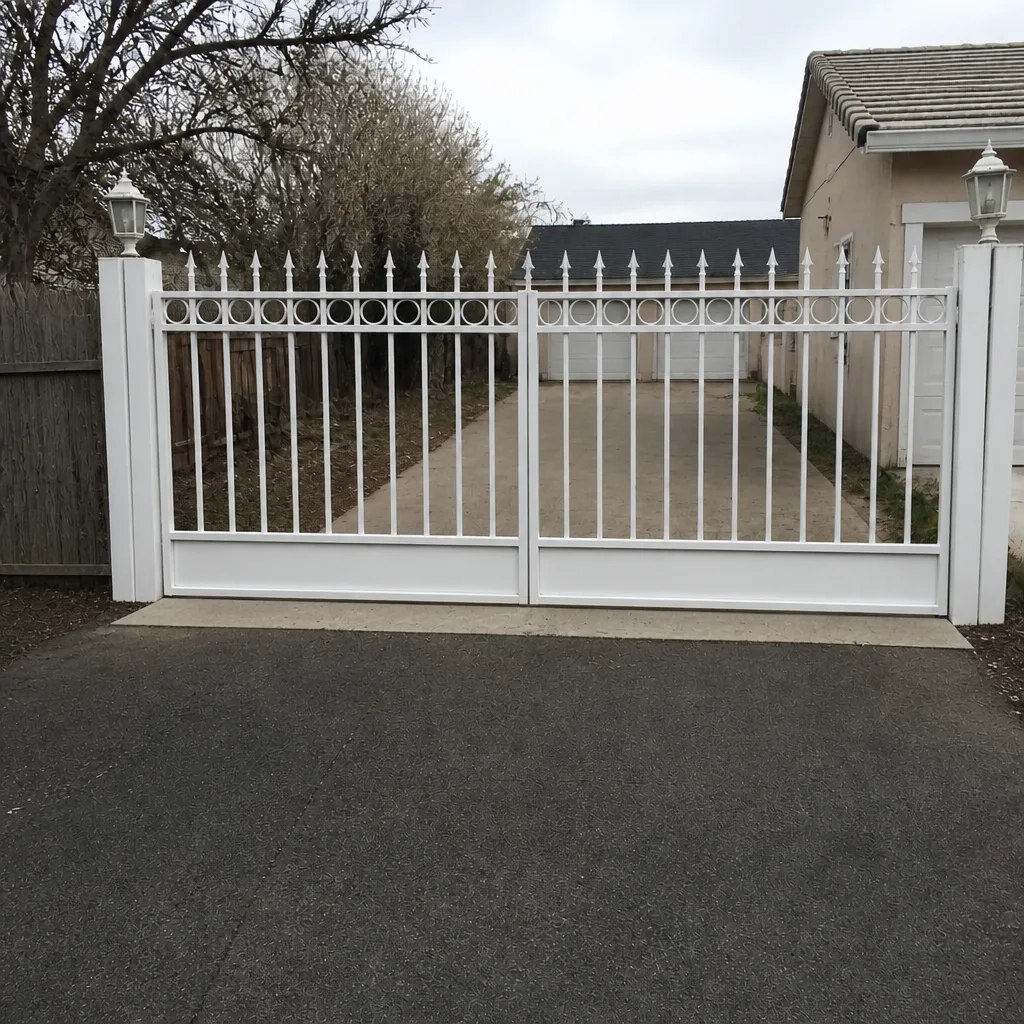
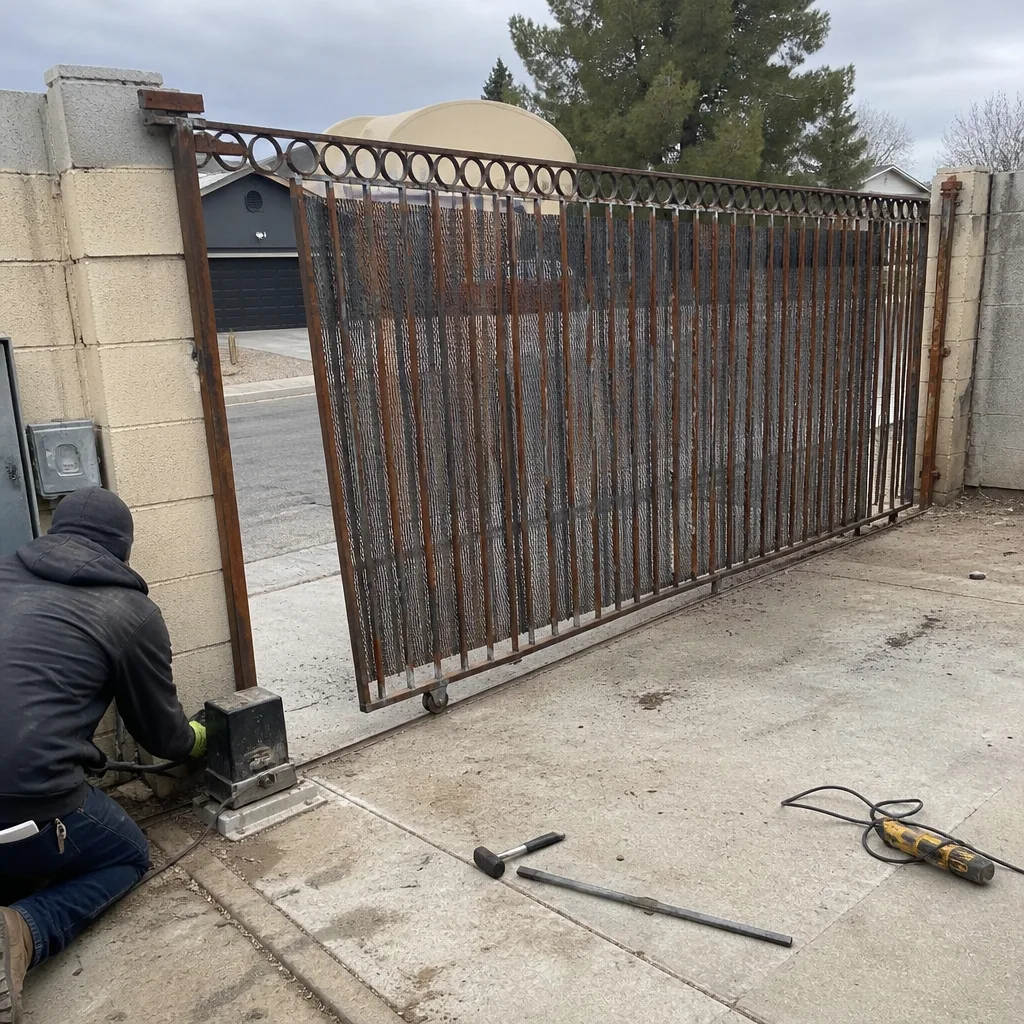
See the difference
BeforeAfter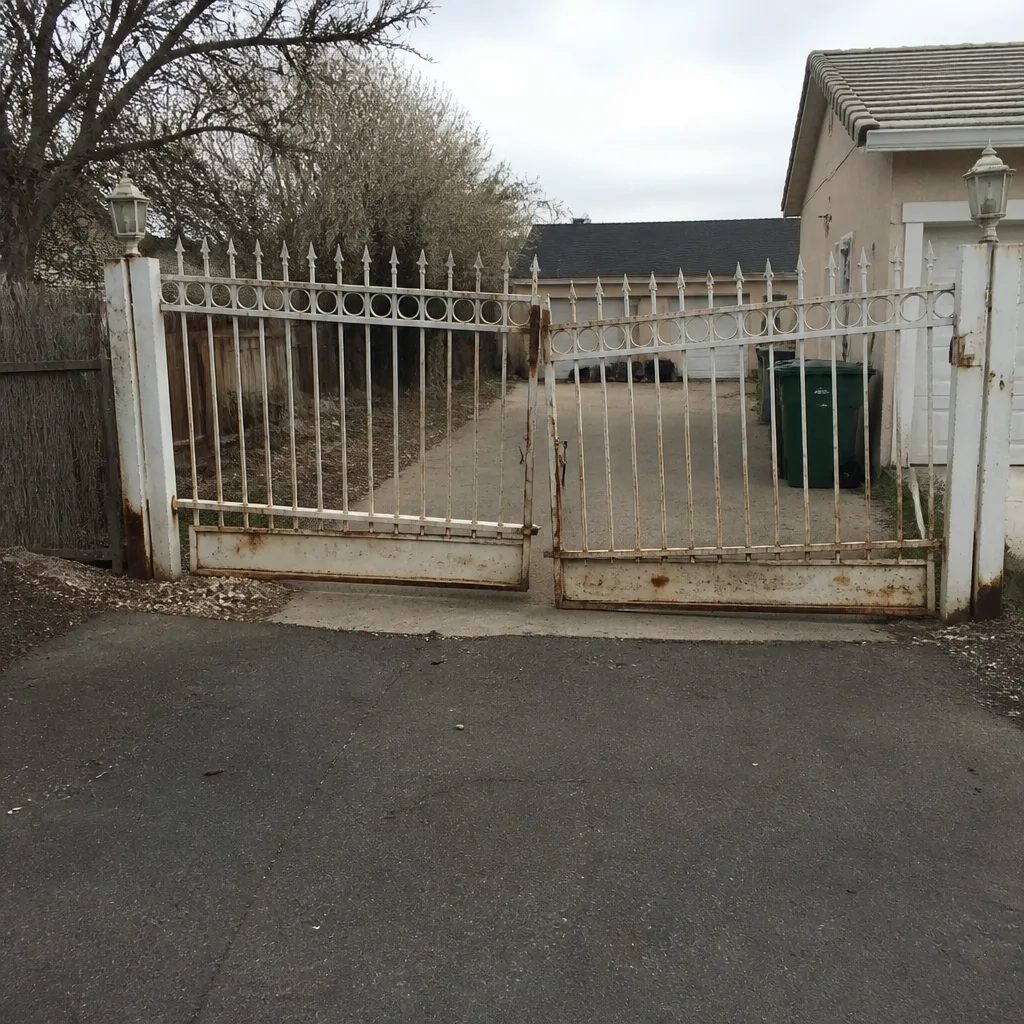 Before
 After
 Before
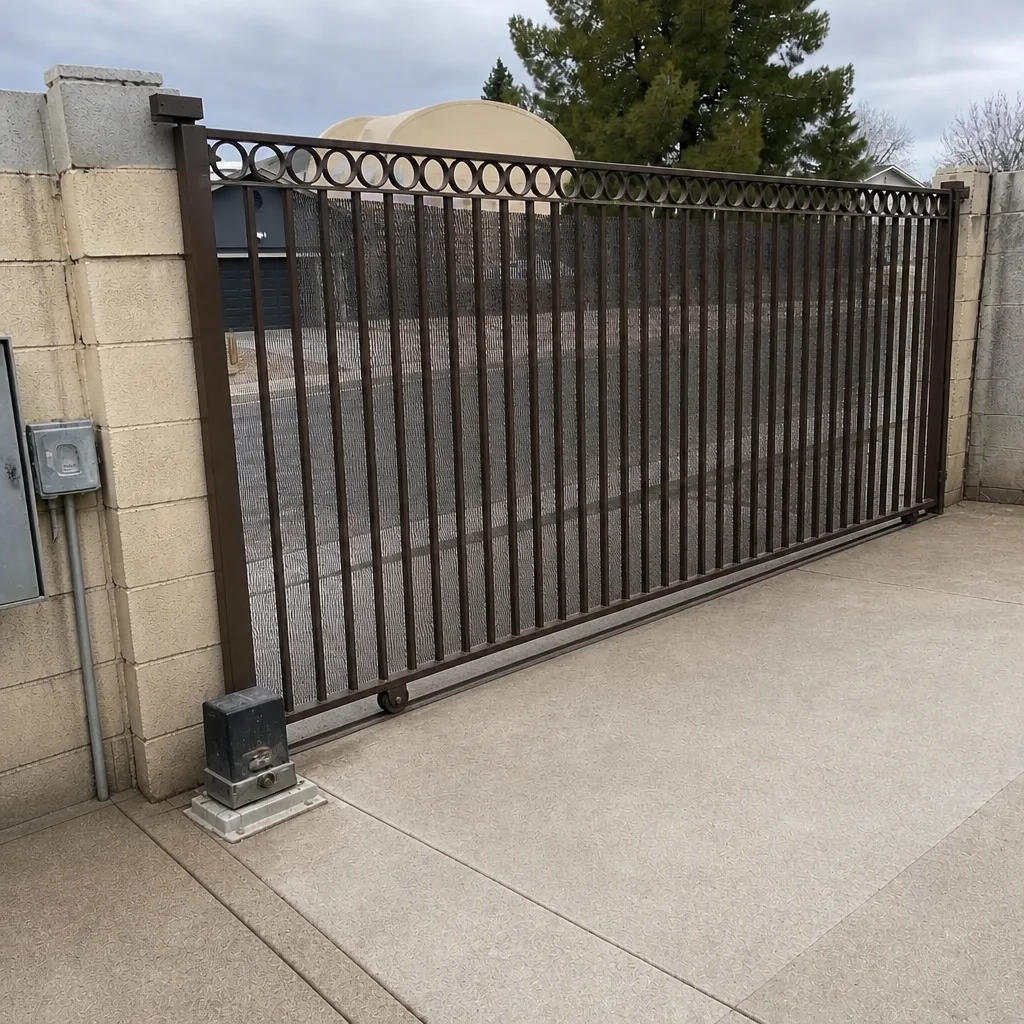 After
When to Call a Professional
Some gate issues are genuine safety hazards and not the sort of thing a homeowner should touch. A stuck high-tension spring on a swing gate can release with enough force to break a wrist or worse, and no DIY guide makes that work safe. Electrical troubleshooting inside a gate operator, a failed capacitor, or a shorted control board all belong with a trained technician. And any question of “does this need a permit” is worth someone looking at the actual gate rather than a photo emailed to a friend. Vance Gate Repair Whitney offers free estimates in Whitney, and every estimate includes a written scope before any work starts. Call (844) 797-4861 for a free estimate.
Frequently Asked Questions
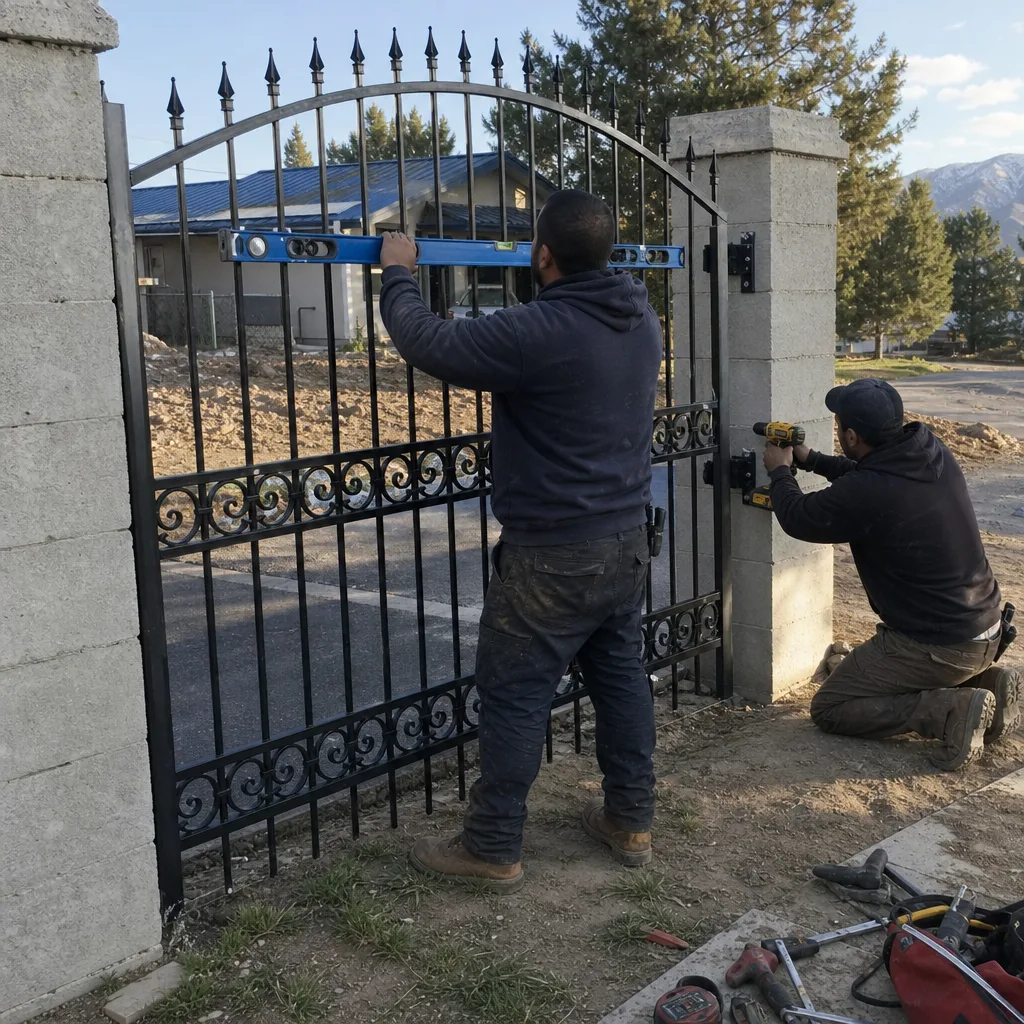
No. Repairing an existing residential gate in Nevada, including replacing a motor, hinge, or photo-eye on existing hardware, generally does not require a building permit. Structural changes, new footings, or a new electrical circuit to the operator may require Clark County review, so it’s worth having the contractor state in writing which category the work falls into.
Usually yes, if there was no automated gate at the location before. A new automatic gate typically requires a structural review for footings and an electrical permit for the new circuit feeding the operator. A free estimate from Vance Gate Repair Whitney will state clearly which permits apply to your specific job before work begins. Call (844) 797-4861 for an exact quote, and estimates are free.
Not usually for repairs that restore the gate to its existing appearance. The HOA’s architectural review typically applies to alterations, including a new gate, a color change, a height change, or a different material. If the repair would visibly change the gate, it’s worth submitting the CC&R paperwork before the work starts.
Keep photos of the repair, a written scope of work, the part number and brand of any motor or component replaced, any wiring diagram if wiring was touched, and any HOA or county sign-off. These are the records that answer a buyer’s or an insurer’s question years later. Every visit from Vance Gate Repair Whitney includes a documented photo record as part of The Haven Standard, so that folder is already started.
The issue usually surfaces at title transfer or during a refinance, when a property records check reveals a structural change with no permit on file. The fix is typically a retroactive review, which is slower and more expensive than doing it upfront. A written record showing the work was repair-only, with photos and a signed scope, is the alternative that resolves the question.
A new low-voltage circuit run from the house panel to the operator location generally requires an electrical permit. Replacing an existing photo-eye or keypad using wiring that is already in place typically does not. The National Electrical Code treats both as real installations under Article 725, so the answer turns on new-versus-replacement.
The Bottom Line
Nevada’s permit rules for gate work turn on a single distinction: repair versus alteration. Repairs, meaning motor swaps, hinge replacements, and photo-eye fixes on existing hardware, generally skip county review. Structural changes and new electrical circuits do not, and that is where an honest estimate matters more than a fast one. On top of the county layer, Whitney’s HOA communities add an architectural review that runs entirely outside the permit system and has its own timeline. Keep the photos, the written scope, and the part numbers, whether a permit was pulled or not. Those records are what prevent a five-year-old gate from becoming a problem at resale. If you’re facing a gate decision and want a straight read on whether your project needs a permit, call Vance Gate Repair Whitney at (844) 797-4861 for a free estimate. Every job under The Haven Standard starts with a written price before any work begins.
For more on the services behind this guide, see the Vance Gate Repair Whitney home page.
Written by the team at Vance Gate Repair Whitney.