
Last updated November 18, 2026
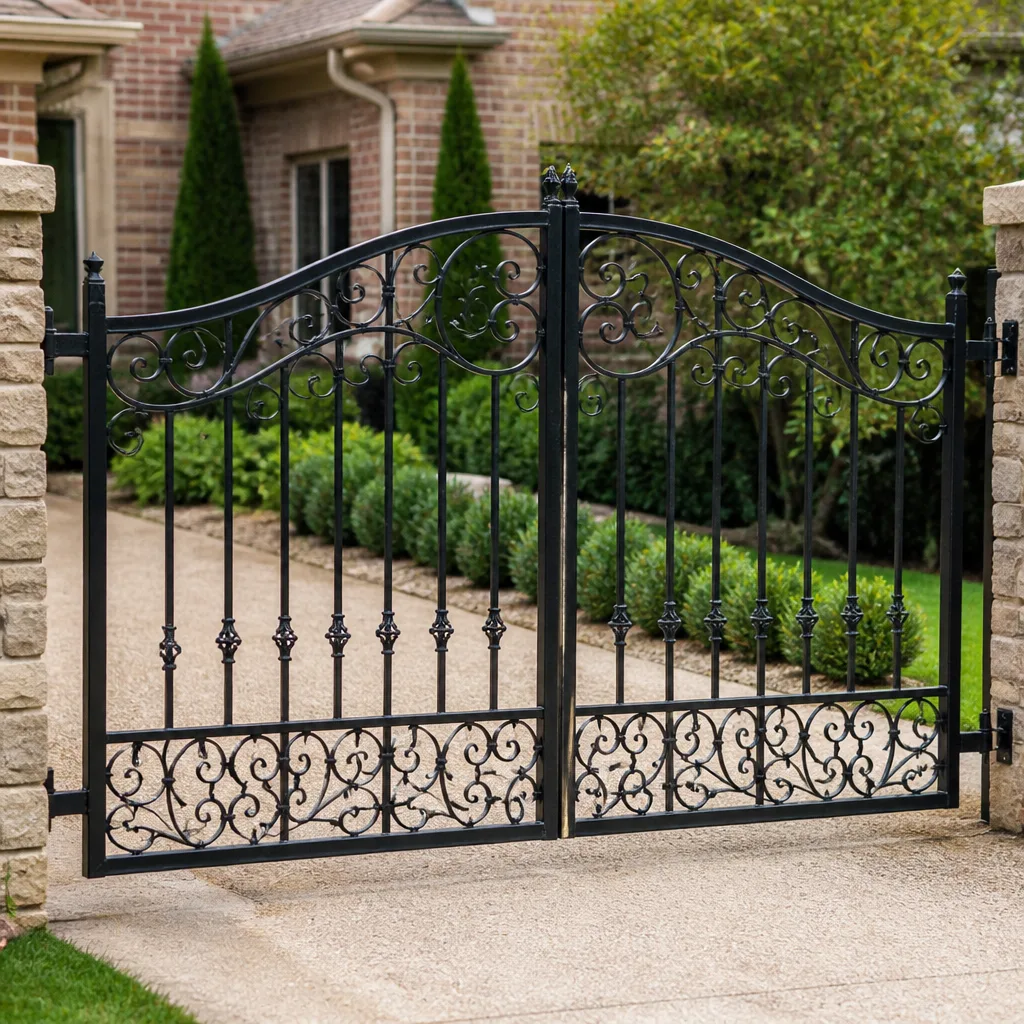 Wrought iron
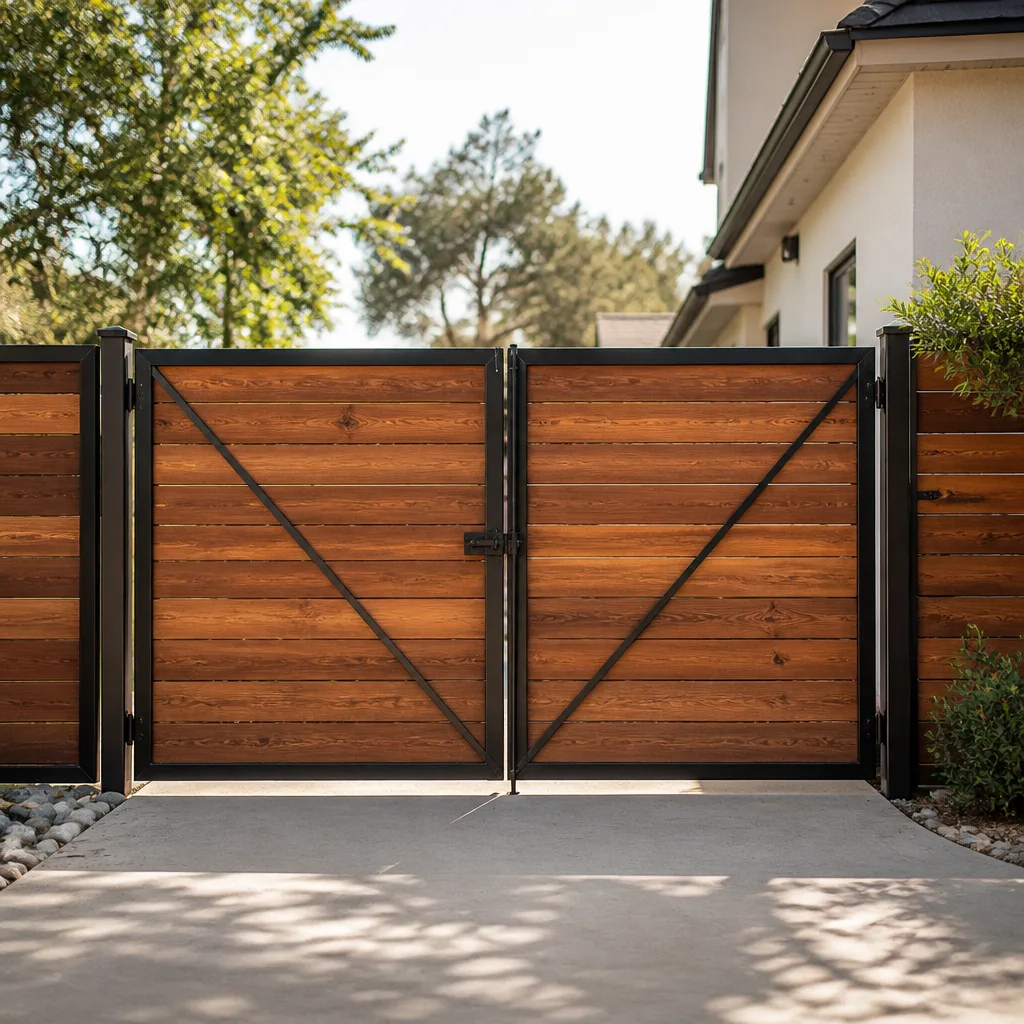 Wood & steel frame
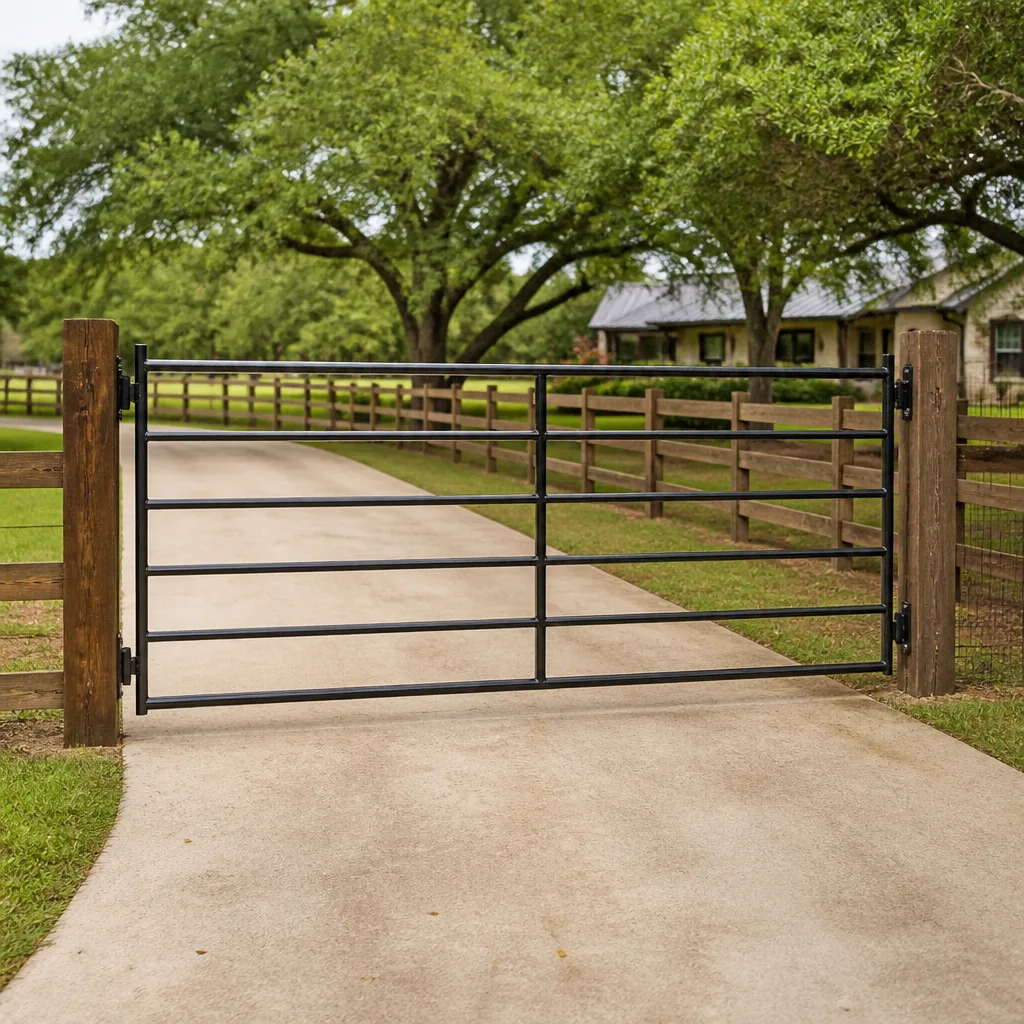 Farm & ranch
 Sliding driveway gates
 LiftMaster operators
Free on-site gate assessment - hinges, posts, and your LiftMaster or Nice gate operator checked before anything is quoted
The assessment is free and the quote is the invoice.
Get your free estimateThe Complete Guide to Gate Repair in Whitney
A gate that stops mid-swing isn’t broken in one place, it’s broken in sequence. The arm binds, so the operator pushes harder, so the control board overheats, so the motor fails, and now you’re pricing a replacement for a machine that only needed a hinge. Miss the first link in that chain and you’ll pay for it twice. In Whitney, we see the same four failure sequences over and over, and each one has a signature you can learn to read. This guide maps every common repair back to its root cause, so the next quote you hold in your hand tells you exactly what you’re paying for and why.
Quick Answer
Most gate failures in Whitney come from one of four documented chains: heat-expanded steel that throws the frame out of alignment, UV-degraded wiring insulation that shorts after a few summers in full sun, caliche soil that heaves and shifts post footings, and alkali dust that grinds down motor housings. Repairing the symptom without tracing the chain is why some Whitney gates get fixed three times for what is really one problem.
Styles & brands we work with
- Wrought iron
- Wood & steel frame
- Farm & ranch
- Sliding driveway gates
- LiftMaster operators
Table of Contents
- The Four Failure Chains We Document in Whitney
- Adjustment or Structural Correction? How to Tell
- How to Read the Wiring Diagram Left by the Last Technician
- What a Written Scope Should Itemize for Each Repair
- Symptom, Root Cause, and What Documentation You Should Receive
- Anatomy of a Blind Estimate
- When to Call a Professional
- Frequently Asked Questions
 Before
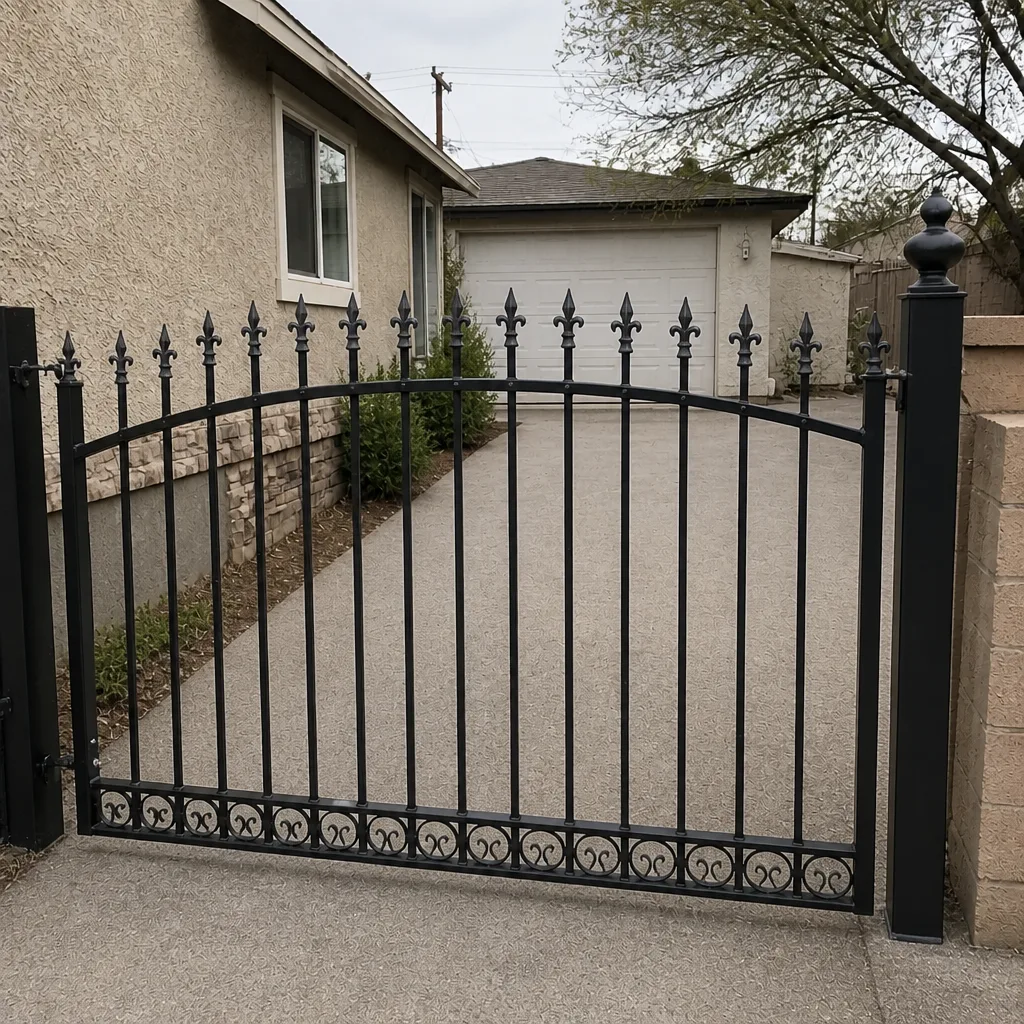 After
The Four Failure Chains We Document in Whitney
Whitney sits in the high desert, and that shapes gate wear in ways coastal repair guides never account for. Our technicians have up to 12 years of experience, much of it on this terrain, and the same root causes come up again and again. Knowing them lets you predict the next problem before it becomes a second service call.
1. Heat-expanded steel. A steel gate frame that measures true in February will not measure true in July. The sun-facing rail expands at a different rate than the shaded stile, and over a few seasons the frame racks out of square. The symptom looks like a motor problem, a sagging gate that drags on the ground and stalls the operator. The root cause is thermal movement in the steel, not the motor. Repair the motor alone and the drag returns within months.
2. UV-degraded wiring insulation. Whitney gets intense, year-round sun, and the low-voltage wire running from the house to the operator is usually buried in conduit only partway. Where it exits into open air, the insulation on that wire cracks and crazes after a handful of summers. The gate starts behaving intermittently, opening on a Tuesday and dead on a Thursday. That’s an electrical fault, not a mechanical one, and it won’t show up unless the wiring is tested under load.
3. Caliche soil heave under posts. Caliche is the cemented, calcium-carbonate hardpan that underlies much of the Whitney area. It swells and shrinks with seasonal moisture changes, and a gate post set into it will move. You’ll see it as a gate that won’t latch without a lift, or a swing gate that drifts open on its own. The gate isn’t bent. The footing has shifted.
4. Alkali dust in motor housings. Fine alkaline dust finds its way into every housing seal eventually. Inside an operator, it mixes with the factory grease and turns into an abrasive paste that wears the gear train faster than the duty cycle predicts. A motor that should last years grinds through its gears sooner, and the early symptom is a faint grinding or a slow start.
We service nine major automation brands including FAAC, BFT, Linear, and Viking, and we can usually identify which chain a failure belongs to before we touch a wrench. Catching the first link is what keeps the repair cost at one service call instead of three.
Adjustment or Structural Correction? How to Tell
This is the most expensive misclassification in gate repair, and it’s the one we see most often in Whitney. An adjustment is a change to settings, tolerances, and travel limits. A structural correction is a change to the gate itself: welding, re-hanging, re-setting a post, replacing a frame section. Get these backwards and you either pay for fabrication you didn’t need, or you pay twice for an adjustment that will not hold.
Here’s how to read which one you have before you call anyone:
- Close the gate by hand with the operator disengaged and watch the horizontal gap between gate and post. If the gap stays even top to bottom, you likely have an adjustment. If it widens at the top or bottom, the frame has racked, the post has moved, or the hinges are worn. That’s structural.
- Watch the bottom of the gate. A gate that scrapes the ground when hand-swung is not a motor problem. It’s a sag or a settlement problem.
- Grab the gate post and push. A post that moves more than a quarter inch in any direction is a footing issue, and no limit-switch adjustment will fix it.
- Look at the hinge pins. Visible play, or a hinge that stays put while the gate rocks on it, is a hardware problem that a motor will keep exacerbating.
Why does this matter in Whitney specifically? Because a gate that racks from heat expansion will pull the operator arm out of alignment, and if the technician treats that as a motor setting, the arm bracket or the operator’s gear train takes the stress. That’s how a home pays for an adjustment, then a bracket, then a motor. Correctly identifying a structural issue on the first visit usually means one repair and one bill.
Before the technician does anything else, the gate should be hand-operated with the operator disengaged. If a technician never checks hand operation, ask why. That single step separates a repair from an experiment. Need a full repair performed? Gate Repair in Whitney covers what we do on site.
How to Read the Wiring Diagram Left by the Last Technician
A wiring diagram is the one document that lets a gate be repaired without guesswork. It records which terminal carries which function, where the accessory wires route, and what color coding the installer used. When a diagram is missing, the next technician has to trace every wire by hand, and you pay for that time. In Whitney, we’ve walked onto jobs where two previous companies had left no diagram, and the homeowner had paid for the same fault to be re-diagnosed twice.
Here’s the difference between a diagram that helps and one that’s just a prop:
- A useful diagram labels the operator brand and model, so anyone reading it knows the terminal layout. If the sheet only says “operator,” it’s decoration.
- It shows the color coding actually used, not the manufacturer’s standard, because installers vary. Ask for the actuals.
- It marks where accessories tie in: photo-eyes, keypads, safety loops, and the voltage, so the next person doesn’t send the wrong signal down the wrong pairing.
- It notes the safety devices and their wiring, so a technician servicing it later knows which circuit the gate’s photo-eye runs on.
If your property has a gate motor already installed and you don’t know where the diagram is, ask the last company in writing. A company that can’t produce it either never made one or lost it. Under our own Haven Standard, every visit leaves a photo log of what was found and a written record of what was installed, including the wiring diagram. That record travels with the gate, and the next technician can start from the actual facts rather than a trace job. If you’re shopping for motor work, Gate Motor & Opener in Whitney lays out what that documentation includes.
What a Written Scope Should Itemize for Each Repair
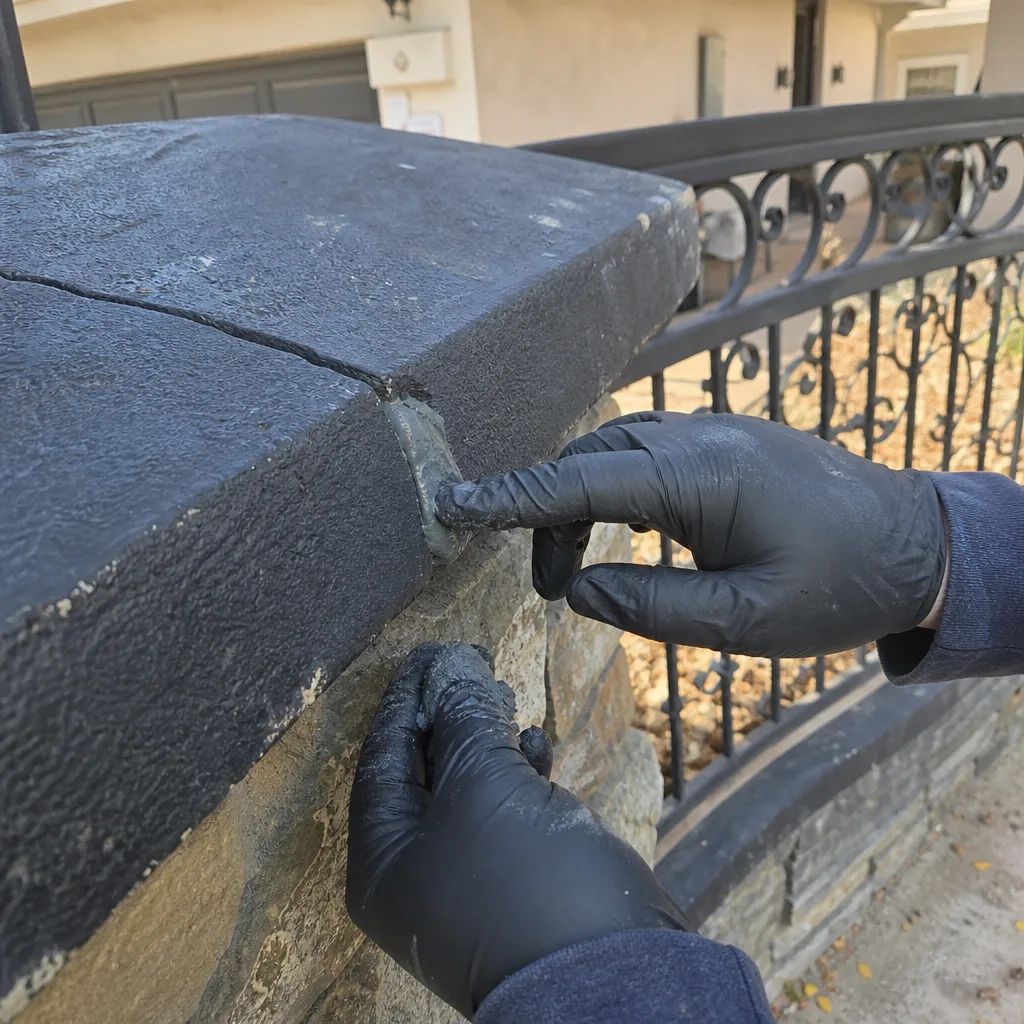
The price isn’t the only thing that should be written down. A written scope tells you the parts, the labor, and the standard the repair will be held to. The absence of one is a signal about the contractor. Here’s what a proper scope should itemize for the four main repair types we handle in Whitney.
Operator or motor repair. The brand and model of the operator, the specific component being replaced (control board, gear set, capacitor, arm bracket), the part number, the labor, and whether the safety devices are retested and re-set as part of the job. A motor repair that doesn’t include a safety re-test is incomplete.
Wiring fault repair. The length and gauge of wire being replaced, the type and UV rating of the insulation, the route being used, and the load test result that confirmed the fault. Without the test result, you can’t tell a real fault from a guess.
Gate structural correction. What’s being welded, re-hung, or re-set, and the measurements before and after. A post reset should list the footing depth and the concrete used. A weld repair should list the material thickness. A scope that says only “fix gate” isn’t a scope.
Sensor and safety-device repair. The device being replaced, the reason it failed (misalignment, moisture, dead beam), the mounting height, and the alignment test performed after install.
We photograph and document every job we do. If a written scope you’ve been handed is missing a part number or a test result, ask for it before the work starts. A contractor who won’t put it in writing is telling you something. And under the Haven Standard, where the price isn’t finalized until it’s written and agreed, you shouldn’t sign anything that reads like a rough guess.
Symptom, Root Cause, and What Documentation You Should Receive
Use this table as a reference when you’re the one diagnosing the gate in your driveway. The middle column is what’s usually going on in Whitney. The right column is the paperwork a professional should leave behind, and if it’s missing, ask for it.
- Gate stops mid-swing, then restarts. Likely heat-racked frame creating drag, or a motor hitting an overcurrent limit. Documentation: hand-operation report, frame squareness measurement, motor load reading.
- Gate works some days, dead others. Likely UV-degraded wiring insulation or a loose underground connection. Documentation: load test result, photos of the wire termination, new wire spec.
- Gate won’t latch without lifting it. Likely hinge wear or post movement from caliche heave. Documentation: hinge measurement, post plumb photos, footing notes.
- Motor grinds or starts slowly. Likely abrasive dust in the gear train. Documentation: gear inspection photos, part number of replacement gear set, grease type used.
- Gate reverses on its own mid-travel. Likely a misaligned photo-eye or a limit switch set past travel. Documentation: photo-eye alignment reading, limit-switch positions before and after.
- Gate opens but won’t close, or vice versa. Likely a limit or safety circuit fault. Documentation: terminal-by-terminal test, wiring diagram, safety re-test result.
That last column matters as much as the price. The photo record and written notes are what stop the same fault from being re-diagnosed and re-billed. If a contractor hands you a verbal price and nothing else, they’ve left the next repair open. A free second opinion on any written estimate is available if you already have one from another company; bring the paperwork and we’ll review it at no charge.
Anatomy of a Blind Estimate
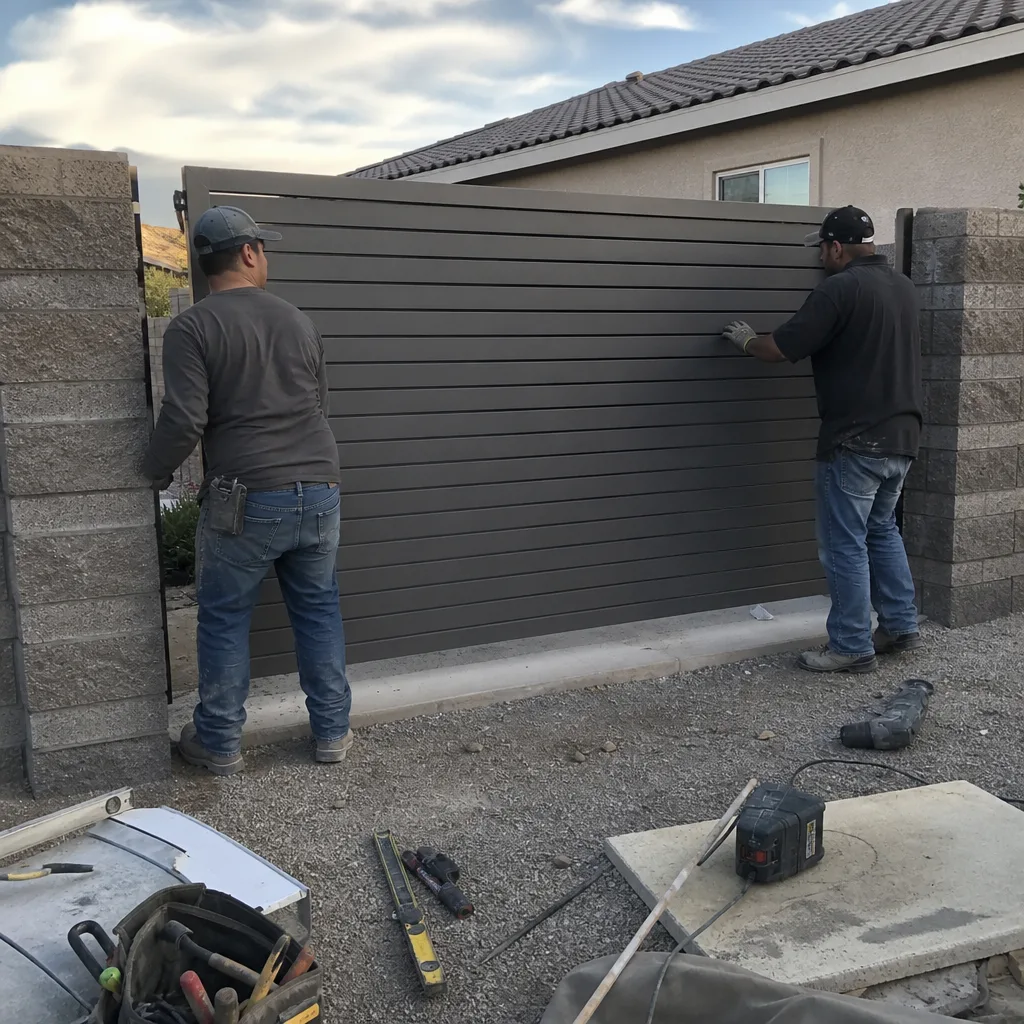
A blind estimate is a price given without the gate being inspected. It’s often low, and it’s often adjusted upward on the day. In Whitney, we get calls from homeowners who took a phone quote and then watched the number grow once the technician was on site. The fix is simple: the price should be written down before anyone picks up a tool.
Here’s what a blind estimate usually omits:
- The diagnosis. There’s no finding, no test result, no photo. Just a number.
- The parts. Brand and model are left vague, so the part that arrives may not match what the gate needs.
- The scope boundary. Is the safety re-test included? Is the photo log included? Often not.
- The standard. There’s no written promise about what happens if the repair doesn’t hold.
A proper estimate is the opposite: it’s based on what was found on site, it names the component and the labor, and it’s signed off before work begins. Under the Haven Standard, that written price is handed over before any work starts, on every job, no exceptions. And the 365-Day Done Right Promise means a repair that isn’t right gets made right within one full year, at no additional charge. If you’re comparing estimates, put two written scopes side by side, not two numbers.
Free estimates in Whitney are one call away: Vance Gate Repair Whitney home shows how that works, and our team can review an existing build spec or an old diagram if you have one. Installation jobs get a measured, written price, not a same-day promise: see Gate Installation in Whitney for the scope and schedule side.
See the difference
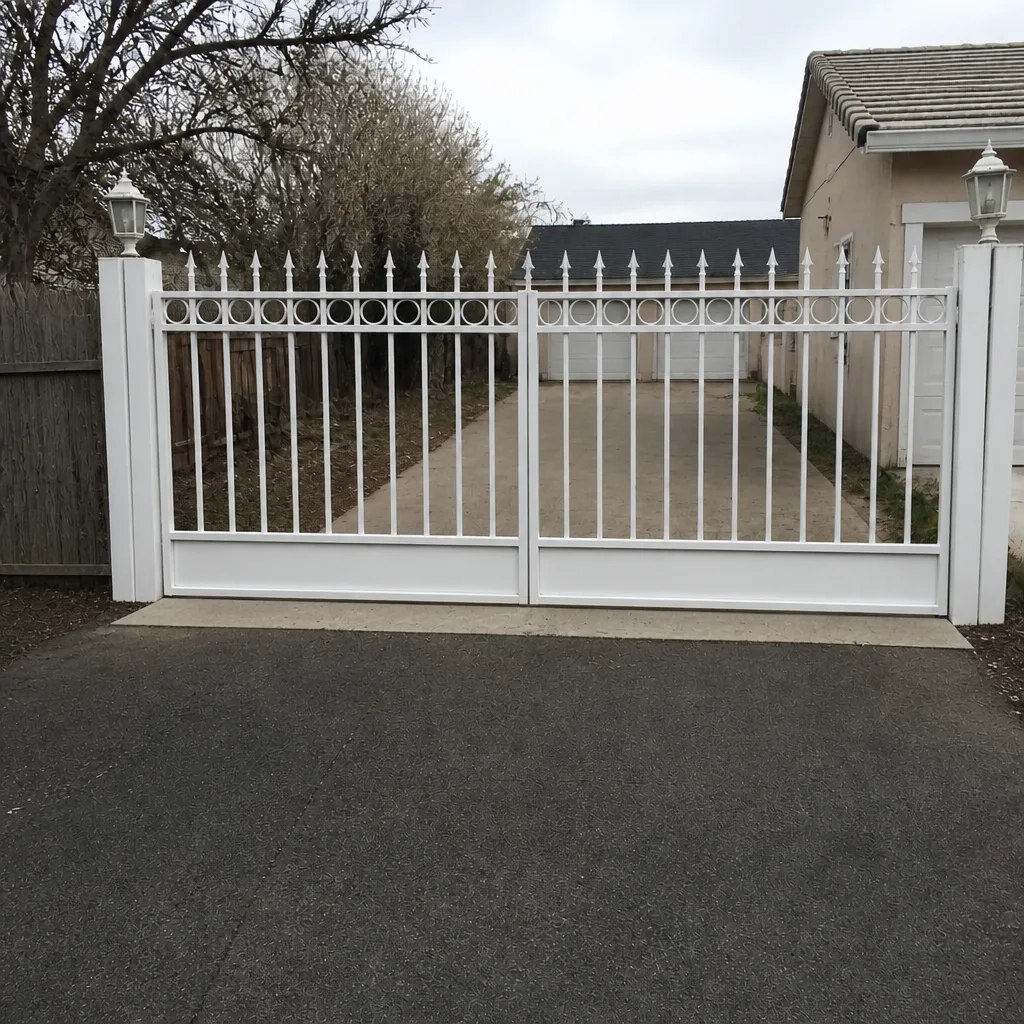
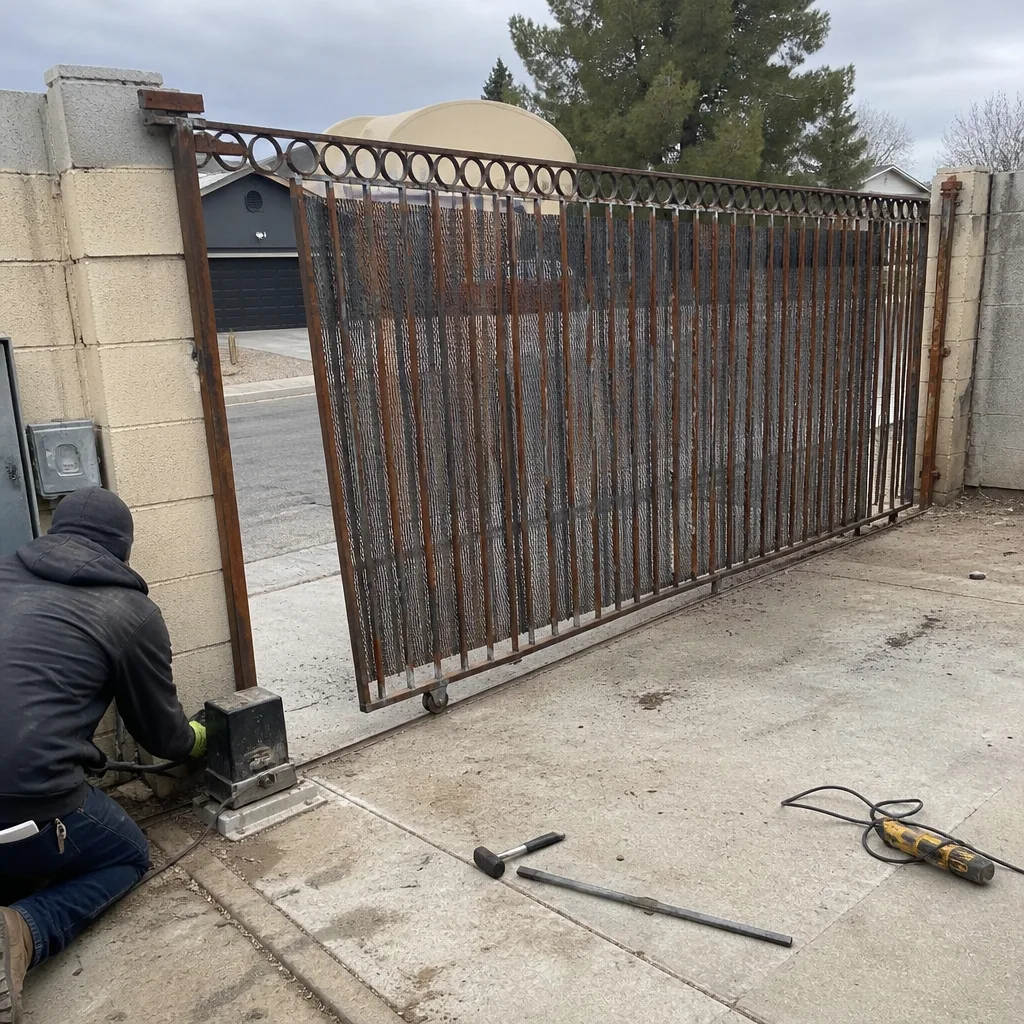
BeforeAfter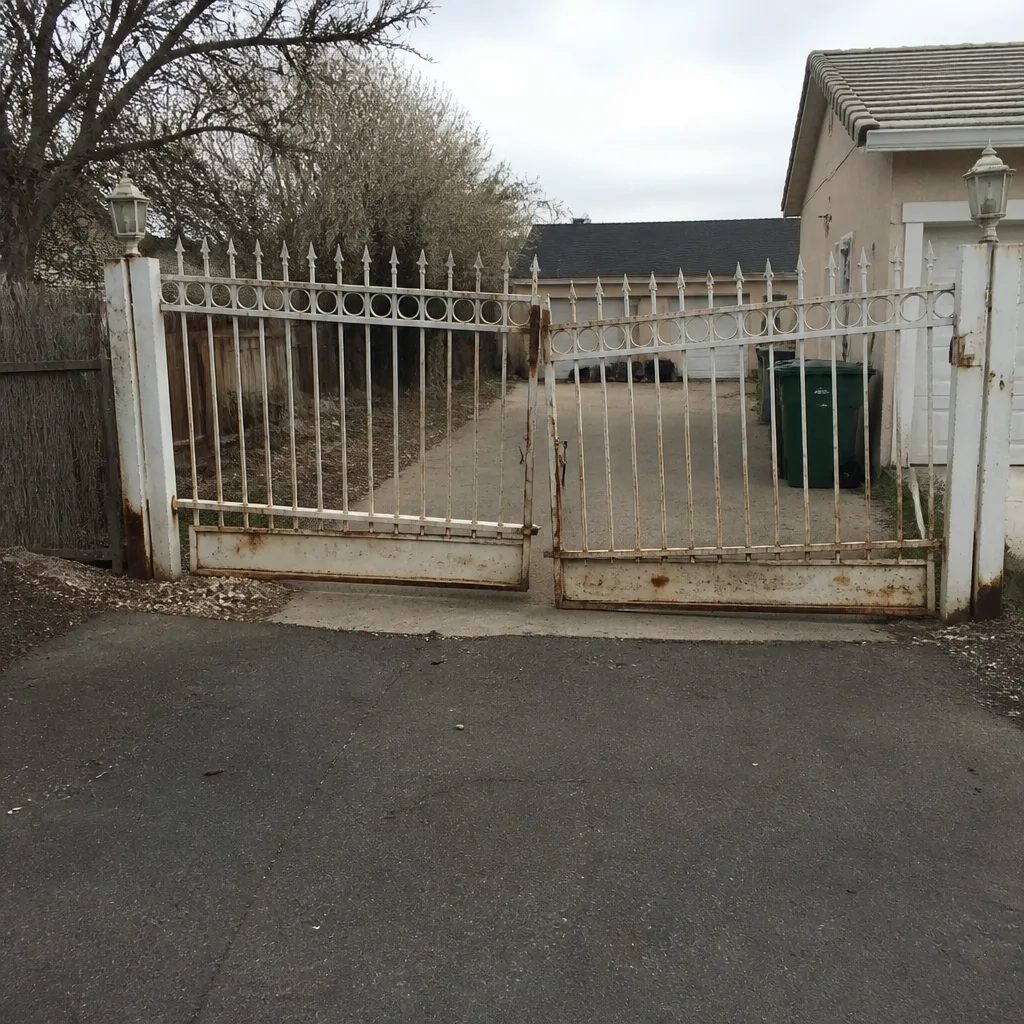 Before
 After
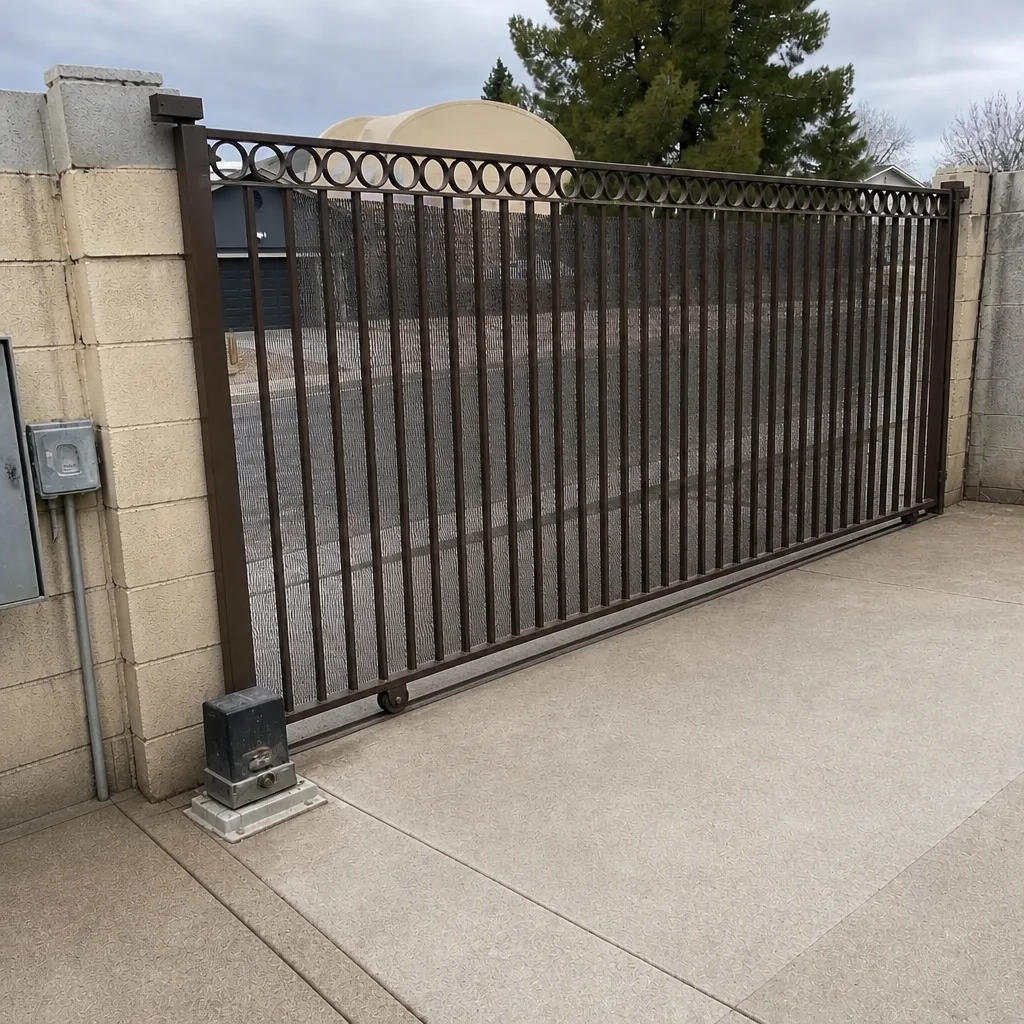
 Before
 After
Common Mistakes to Avoid
- Replacing the motor before checking hand operation. If the gate binds when hand-swung, the motor is a symptom, not the cause. Replacing it just makes the next failure more expensive.
- Treating a racked frame as a limit-switch problem. In Whitney’s heat, steel moves. A technician who only adjusts the limit switch is leaving the real problem to come back in a season.
- Accepting a phone quote as a final price. A number given before the gate is inspected is a guess. The written price should come after the inspection and before the work.
- Skipping the wiring inspection on a gate that “works fine.” UV cracking in desert sun is invisible from outside. A load test is what catches it before it strands you.
- Letting the last technician leave without a diagram or photo log. That’s the document that saves you from paying for the same diagnosis twice.
- Filling in caliche-heaved footings with a patched surface. A post set into shifted hardpan will move again. The footing needs to be corrected, not hidden.
- Ignoring the safety devices after a repair. Photo-eyes and limit switches need to be re-tested after any motor or structural work. A repair that leaves them untested isn’t finished.
When to Call a Professional
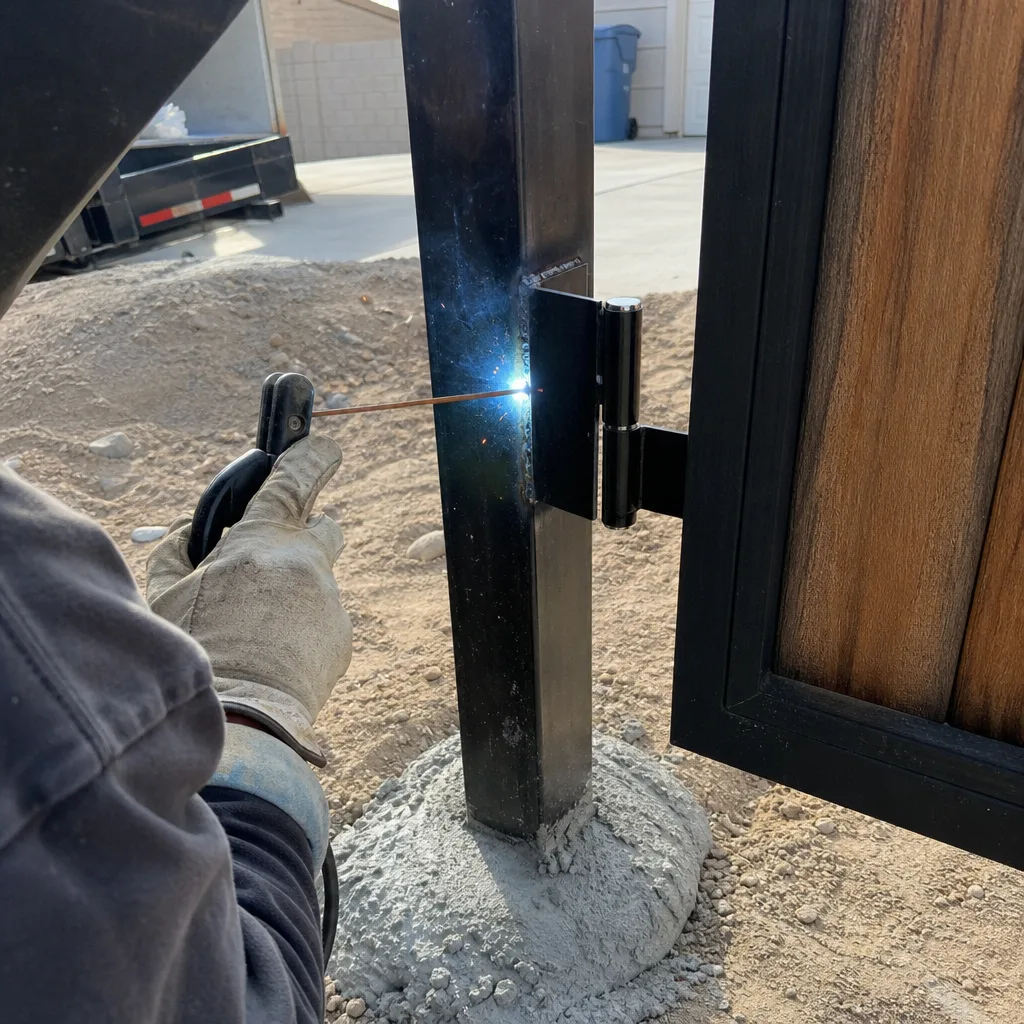
Some gate issues need a technician, and some need a technician today. Call if the gate reverses unpredictably, if it moves on its own, if a post has visibly shifted or the frame is racked, if you hear grinding from the motor housing, or if the gate binds when hand-operated with the operator disengaged. If you see exposed or cracked wiring anywhere along the run from the house, that’s an electrical safety matter and should be handled by a trained technician, not a homeowner with a tool. High-tension springs, mains wiring, and gas-fed gate systems are dangerous and belong with someone trained and insured. Vance Gate Repair Whitney offers free estimates in Whitney. Call (844) 797-4861 and a live person will answer, day or night.
Frequently Asked Questions
Most residential gate repairs in Whitney land between about $180 and $650 depending on the repair type, with structural corrections and motor work at the upper end. A written price is provided before any work starts, so you know the number before anyone picks up a tool. Call (844) 797-4861 for an exact quote; estimates are free.
In most cases yes, a live person answers the phone 24 hours a day and can schedule a repair visit the same day for urgent gate problems. Same-day availability is best confirmed by phone. Call (844) 797-4861 and we’ll tell you the soonest slot.
A proper written estimate should name the component being repaired or replaced, the part number, the labor, and any safety re-test included after the work. It should also state the price is final before work begins. Call (844) 797-4861 for a free written estimate review.
Summer heat in Whitney causes steel frames to expand and puts strain on UV-cracked wiring, both of which show up as intermittent failures. The pattern of failure every summer points to a thermal or wiring root cause, not a motor failure. Call us at (844) 797-4861 to have it tested under load before the next heat wave.
Most adjustment and sensor repairs take an hour or two, while structural corrections, wiring faults, and motor replacements usually run longer depending on parts. A written scope includes an estimated timeframe before work begins. Call (844) 797-4861 to get a realistic estimate for your gate.
We service nine major gate-automation brands, including FAAC, BFT, Linear, and Viking, plus LiftMaster, Ghost Controls, DoorKing, Elite, and Mighty Mule. That means we can work with the motor already on your gate instead of steering you toward a replacement. Call (844) 797-4861 to confirm service for your specific model.
The Bottom Line
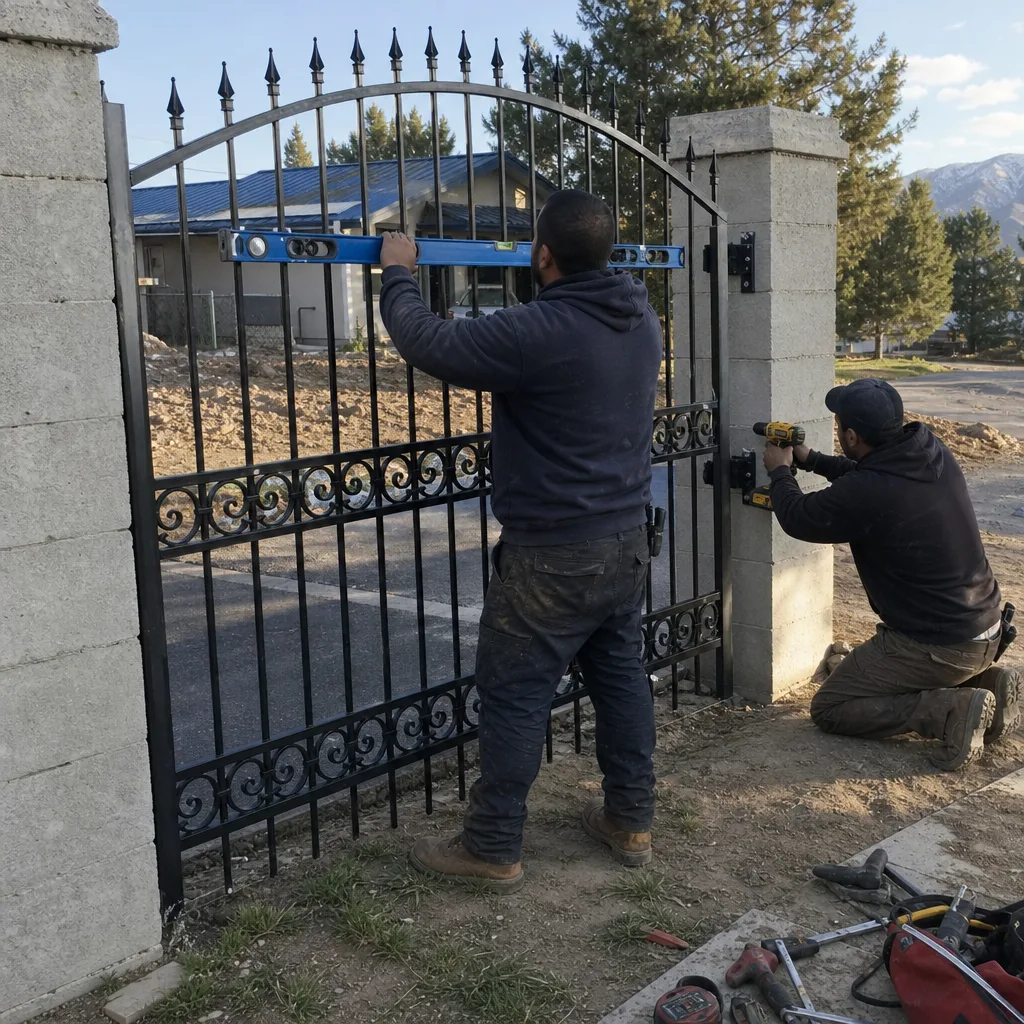
Gate failures in Whitney follow patterns, not bad luck. Heat moves steel, sun degrades wire, caliche moves footings, and desert dust wears gears, and each one has a symptom you can read. Repair the first link in the chain and the second never appears. The difference between two quotes for the same repair is usually not the price, it’s what’s written down: the diagnosis, the part, the standard. A written price before work starts, a photo record when the technician leaves, and a one-year promise on the work are what separate a repair from a repeat. Vance Gate Repair Whitney brings all three to every visit. Call (844) 797-4861 for your free estimate.
Written by the team at Vance Gate Repair Whitney.