
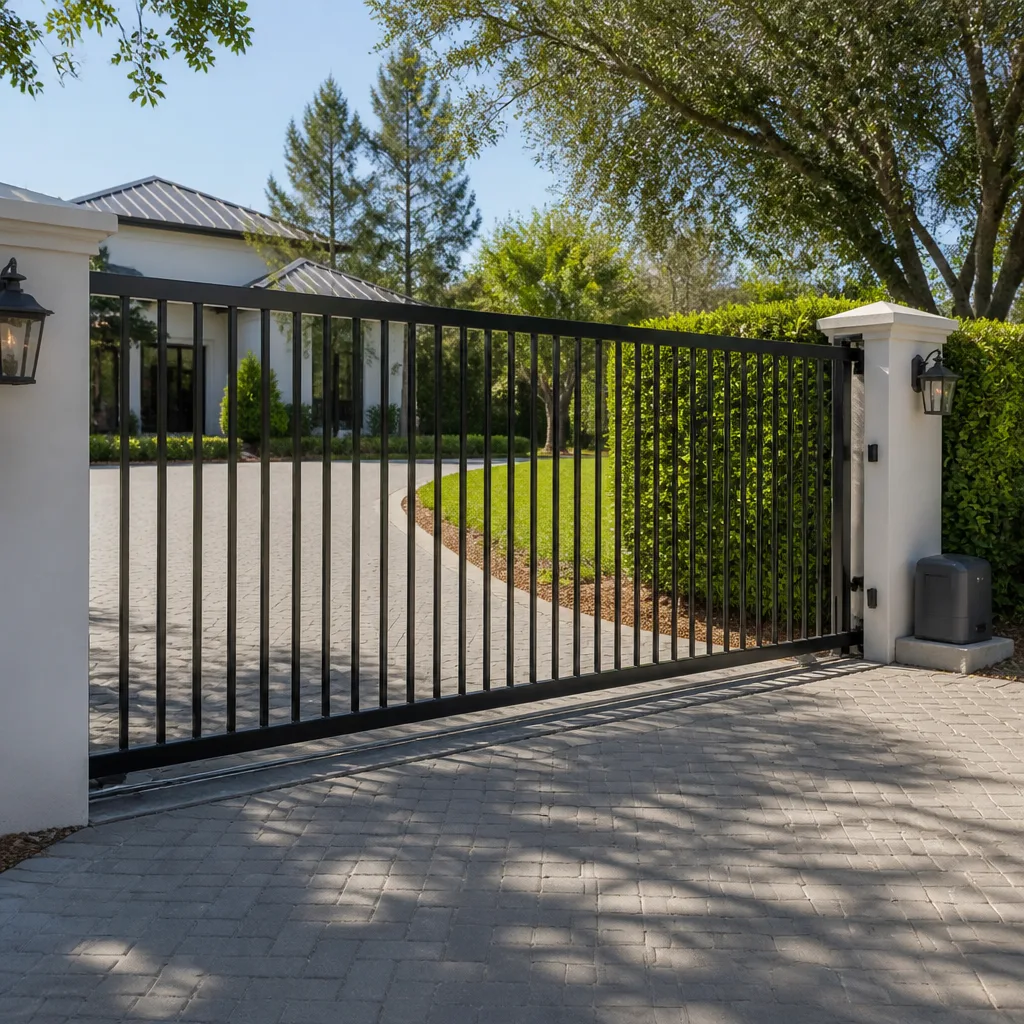
 Sliding driveway gates
 Wrought iron
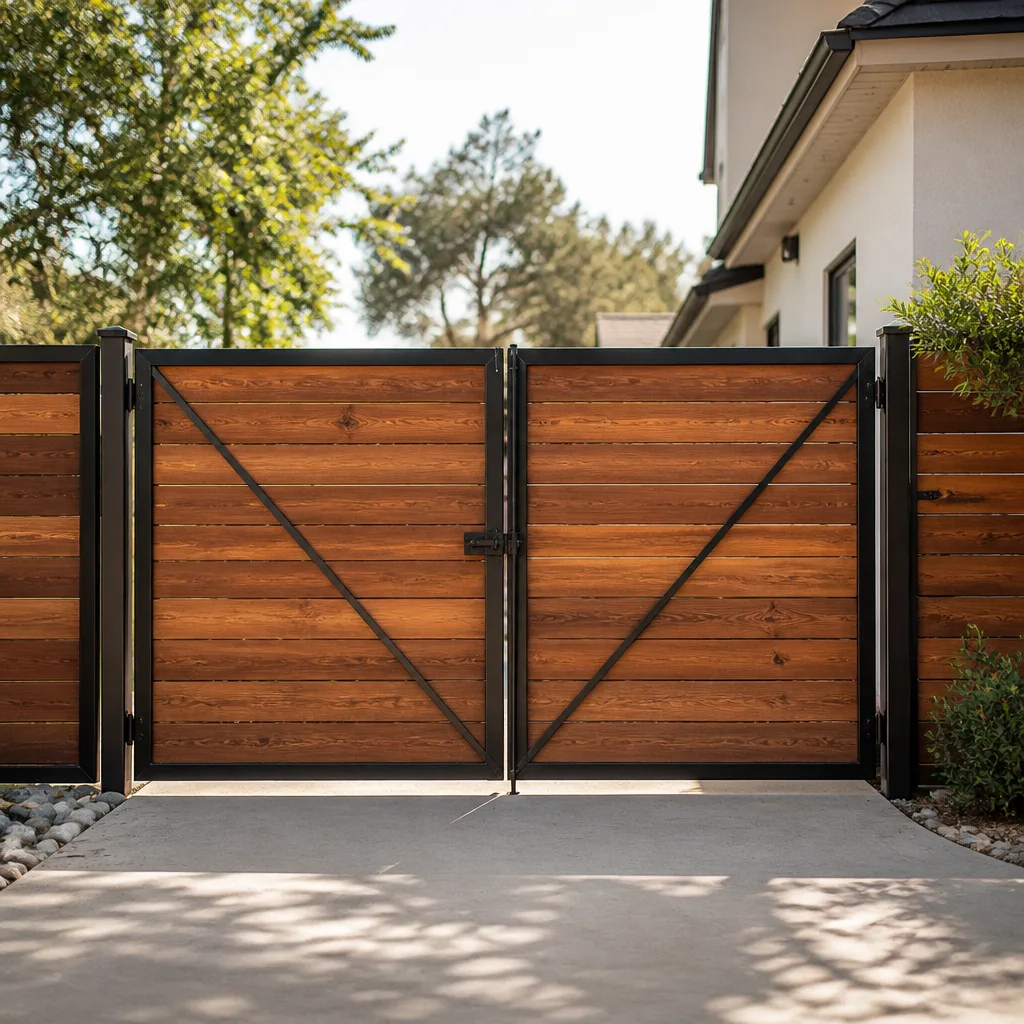 Wood & steel frame
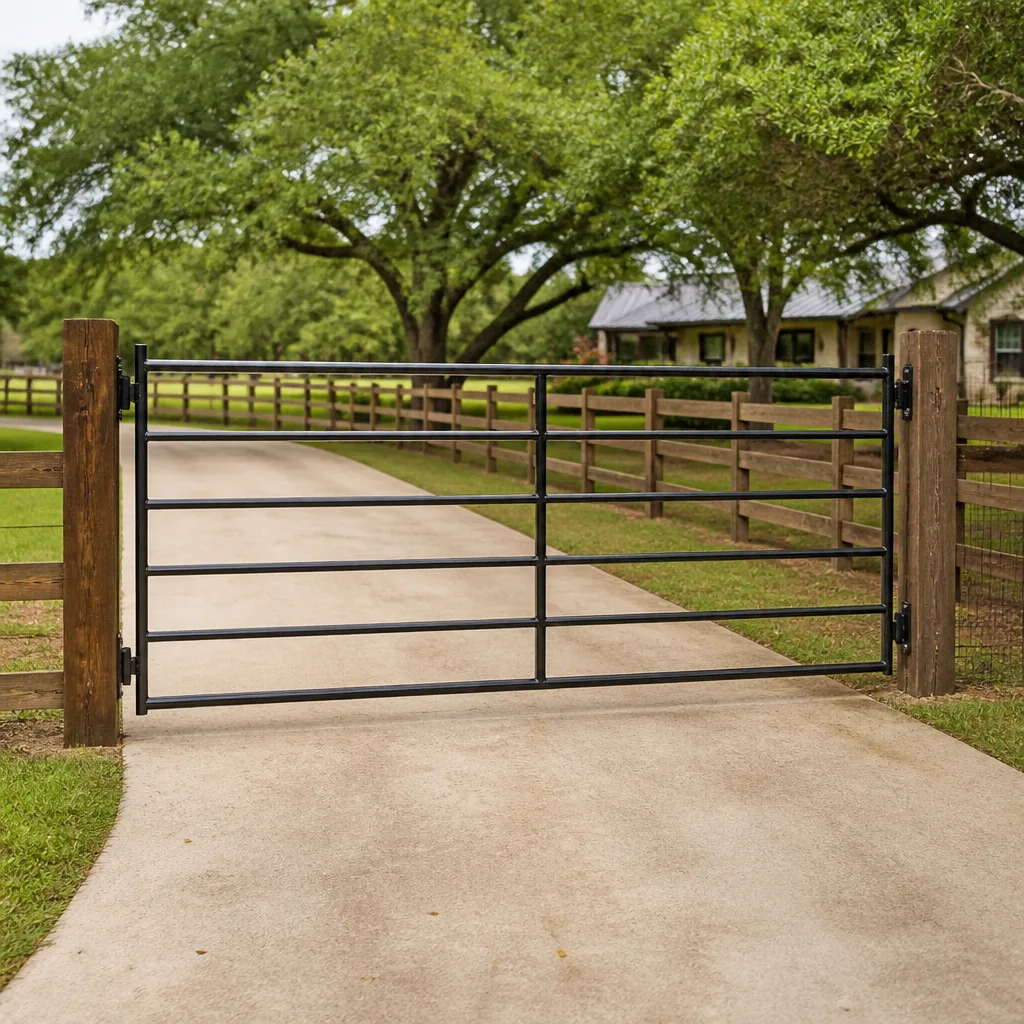 Farm & ranch
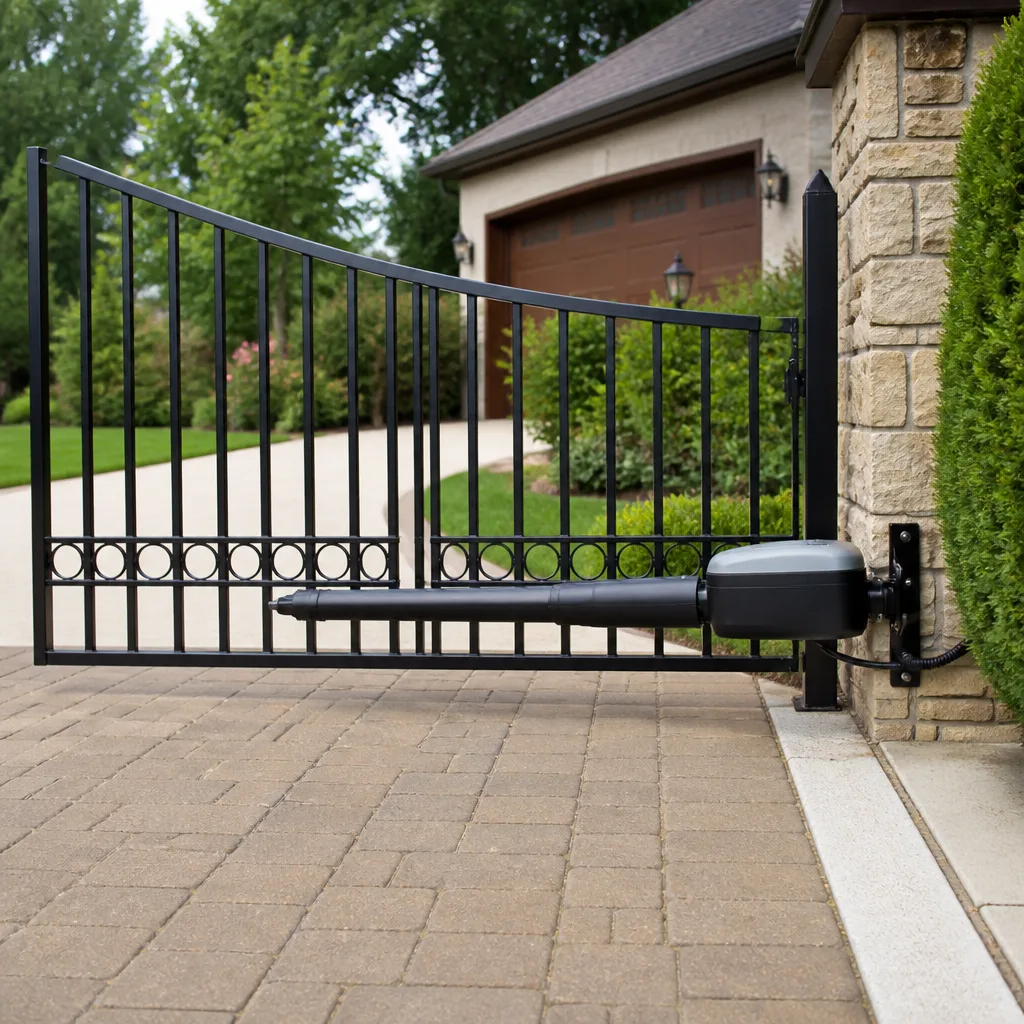 LiftMaster operators
Free on-site gate assessment - hinges, posts, and your LiftMaster or Nice gate operator checked before anything is quoted
The assessment is free and the quote is the invoice.
Get your free estimateStyles & brands we work with
- Wrought iron
- Wood & steel frame
- Farm & ranch
- Sliding driveway gates
- LiftMaster operators
See the difference
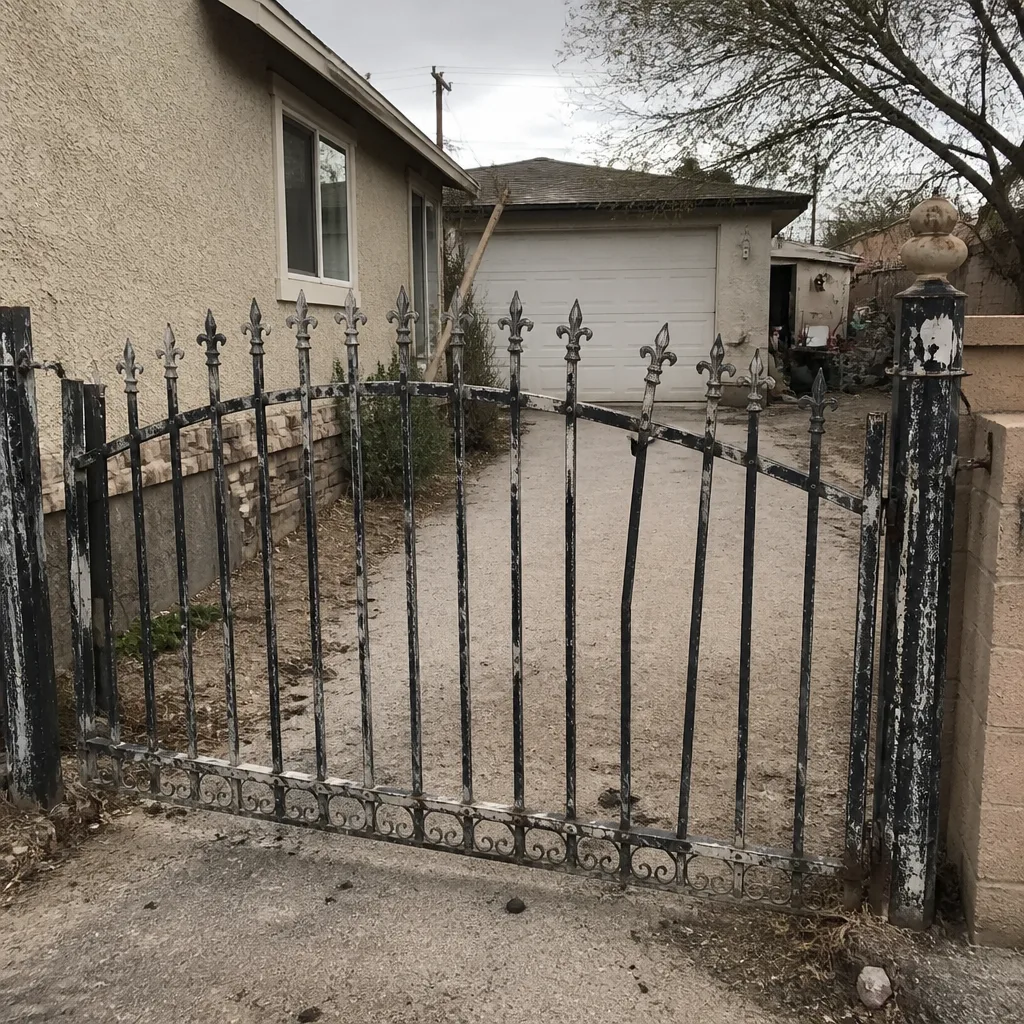 Before
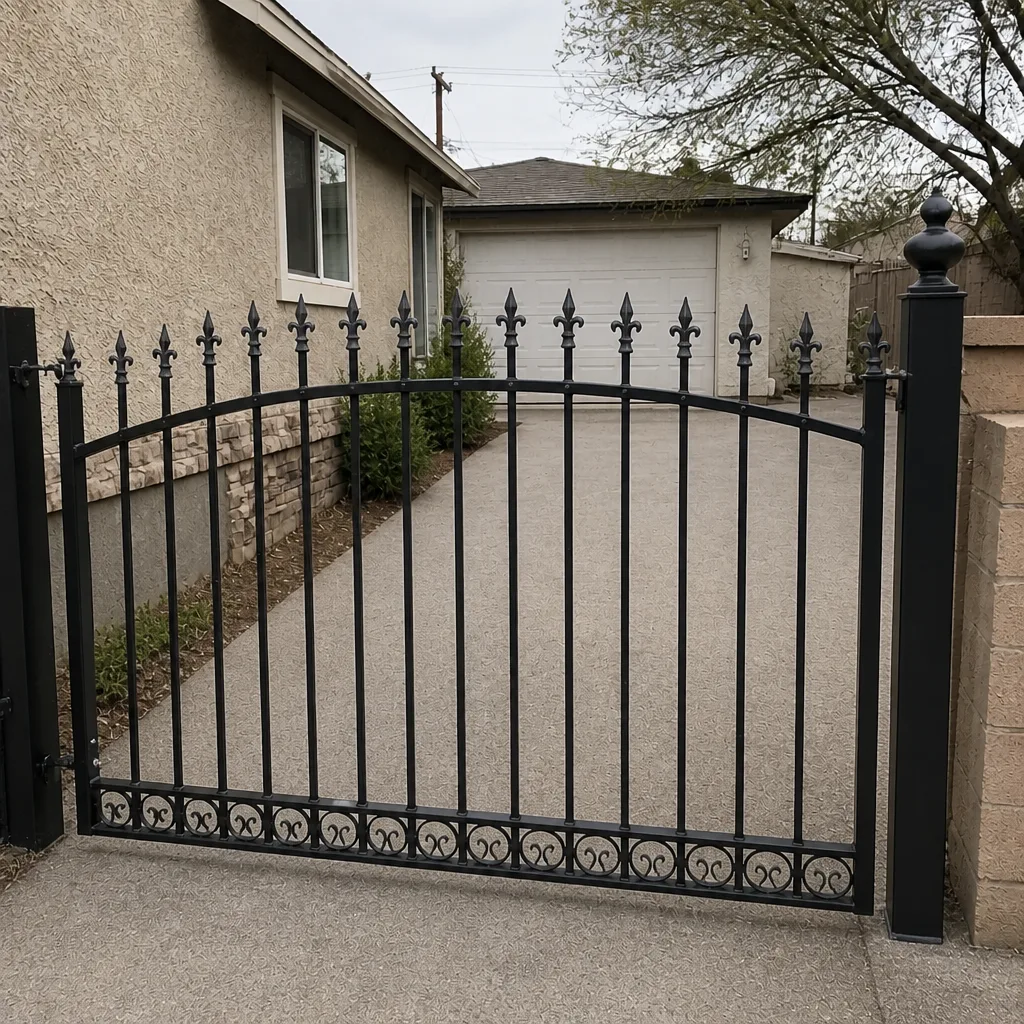 After
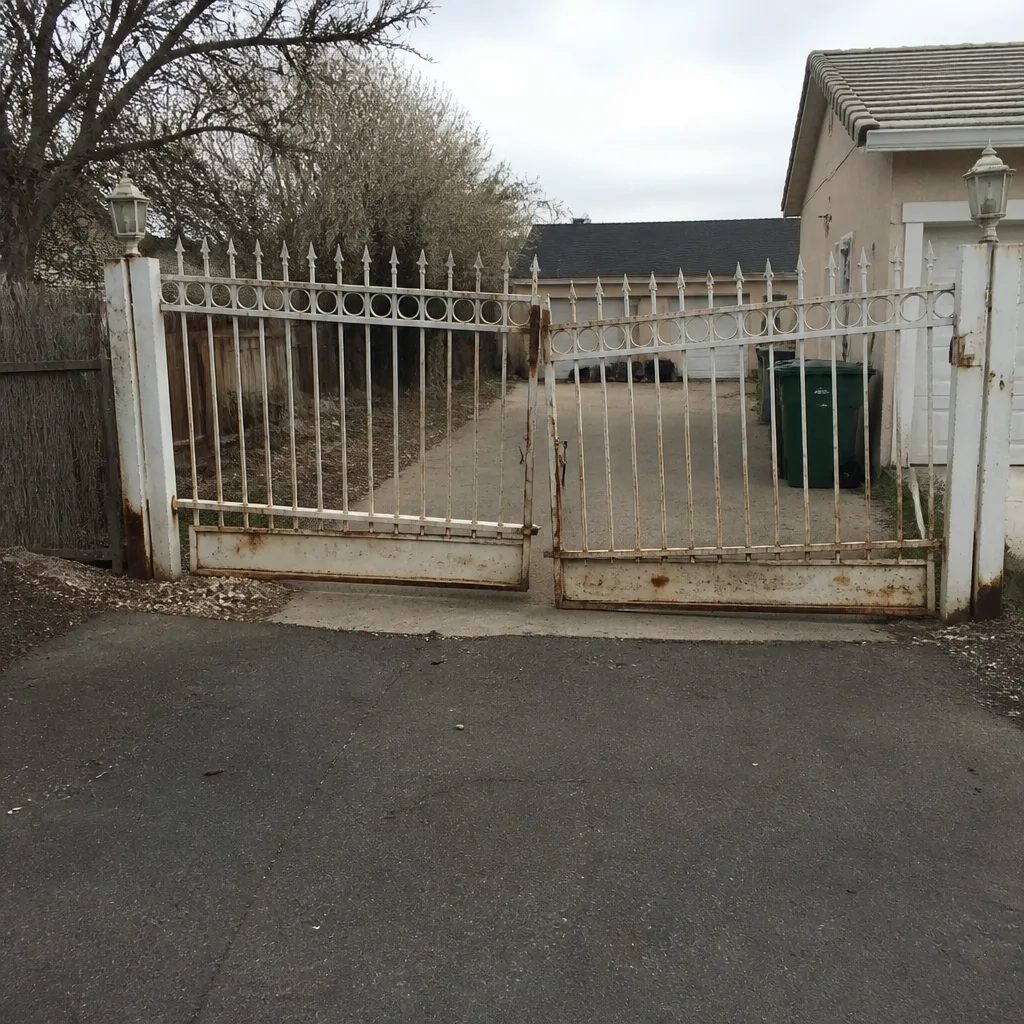 Before
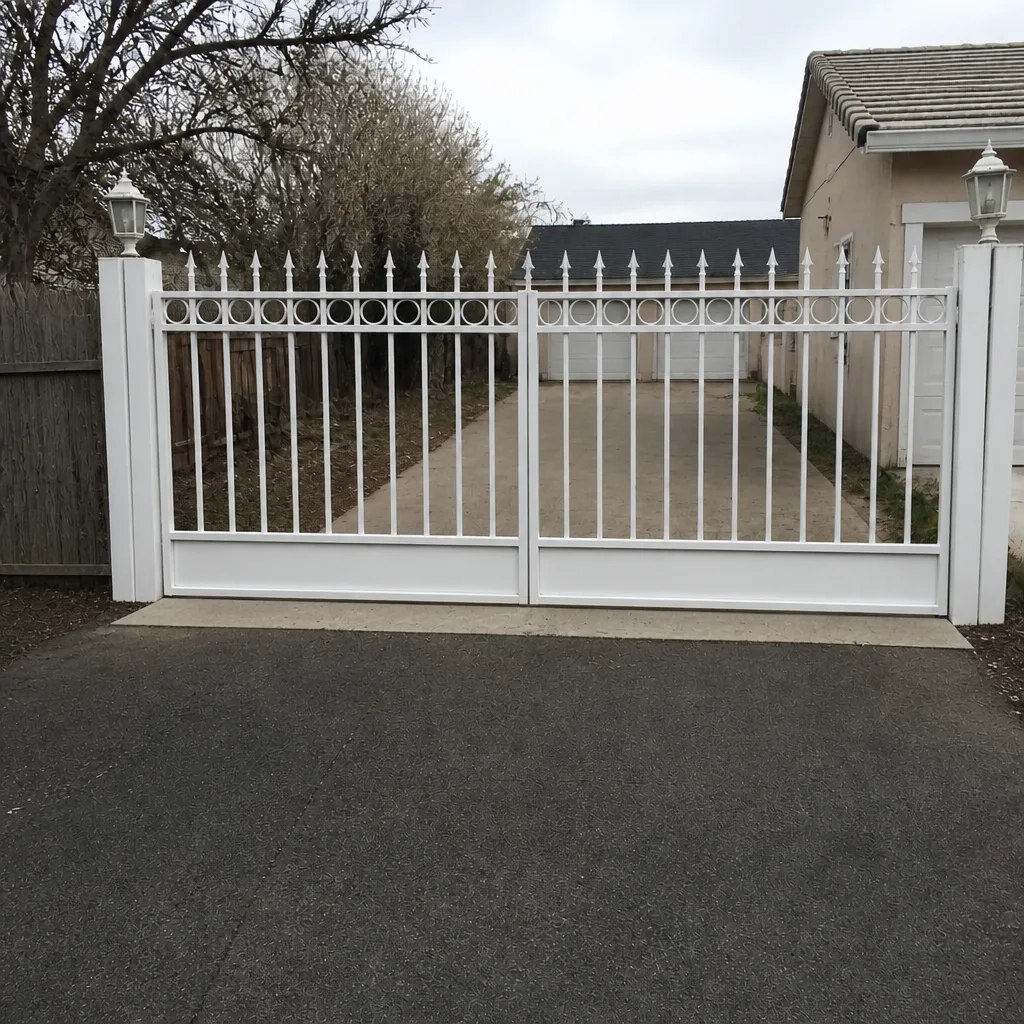 After
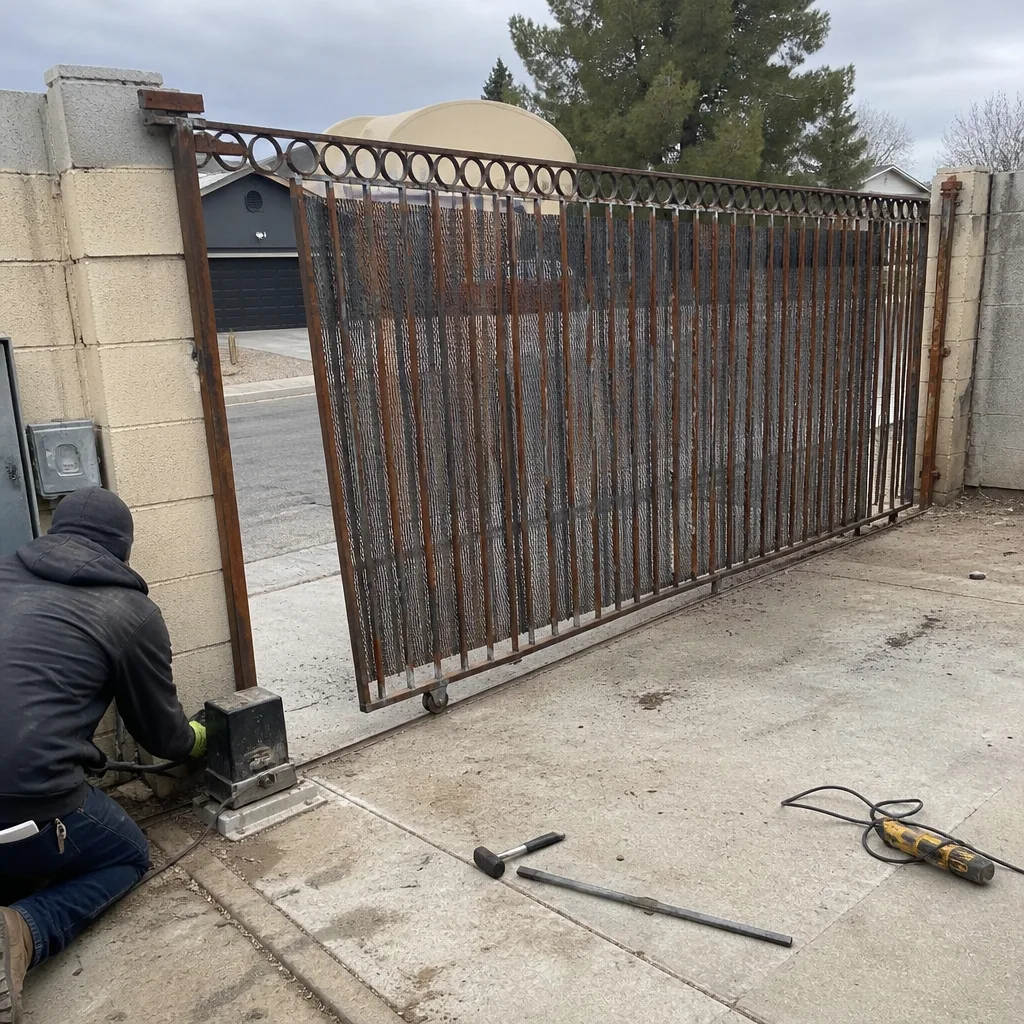 Before
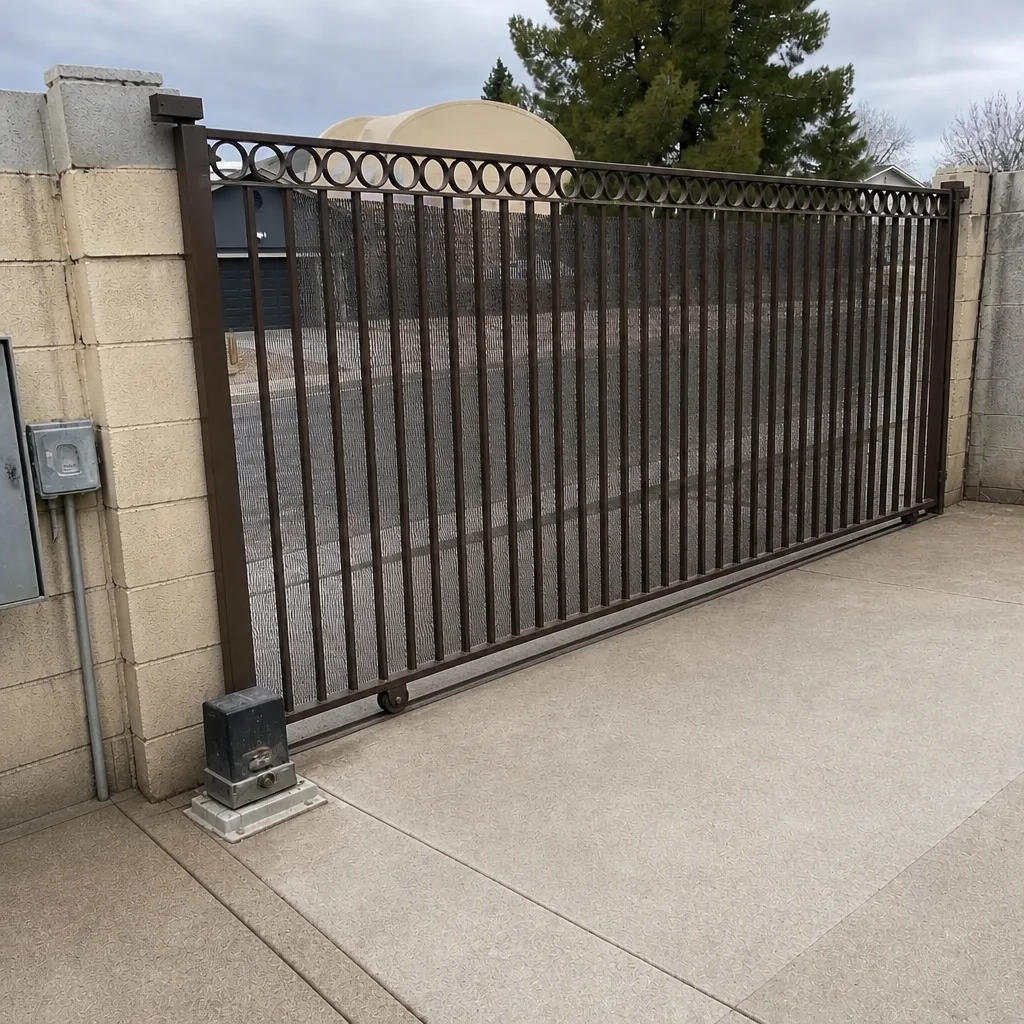 After
Driveway Gate Maintenance in Whitney, NV: A Mojave-Specific Schedule, Not a Generic One
If you want the short answer: in Whitney, lubricate your gate’s pivot points and hinges in April (before heat season) and again in September (after monsoon), and do one post-plumb check every year - because caliche-heavy desert soil drift is the leading cause of premature gate operator failure in the Las Vegas Valley. The generic “twice a year, spring and fall” advice most guides publish is close, but it misses why the timing matters here. It also misses the two tasks that actually protect your motor. If you’d rather have a trained eye look it over, call (844) 797-4861 and we’ll schedule a no-pressure assessment.
Why Whitney Gates Break on a Desert Clock, Not a Season Calendar
Whitney is built almost entirely on post-1990s tract housing and HOA-governed subdivisions, which means most gate work here involves wrought-iron or steel driveway gates, aluminum pedestrian gates, and gates hung off shared concrete-block walls. Those materials behave differently in the Mojave than wood or older ironwork does. Sustained summer heat near 110°F expands steel and stresses hinge pins. UV radiation degrades petroleum-based grease fast - a standard white lithium grease has a service life of roughly 60 to 90 days under that kind of exposure, meaning hinges start running dry right when thermal expansion is putting maximum load on the hardware. And caliche-heavy expansive soil moves posts slowly and silently between seasons. In Whitney, the right instinct is to maintain against heat cycles and soil drift, not against the calendar in a magazine article.
One practical consequence of the subdivision layout: many Whitney gates hang from block walls that sit on shared parcel lines. Under most HOA CC&Rs, gate maintenance falls to the individual homeowner even when the wall itself is shared. A neglected gate that racks and damages a neighbor’s fence line can expose you to HOA-assessed repair costs - so regular maintenance here functions as financial protection, not just hardware protection. We see this pattern often enough in Whitney that we now treat post plumb checks as a standard part of Gate Repair visits, not an optional add-on.
The Whitney Driveway Gate Maintenance Calendar
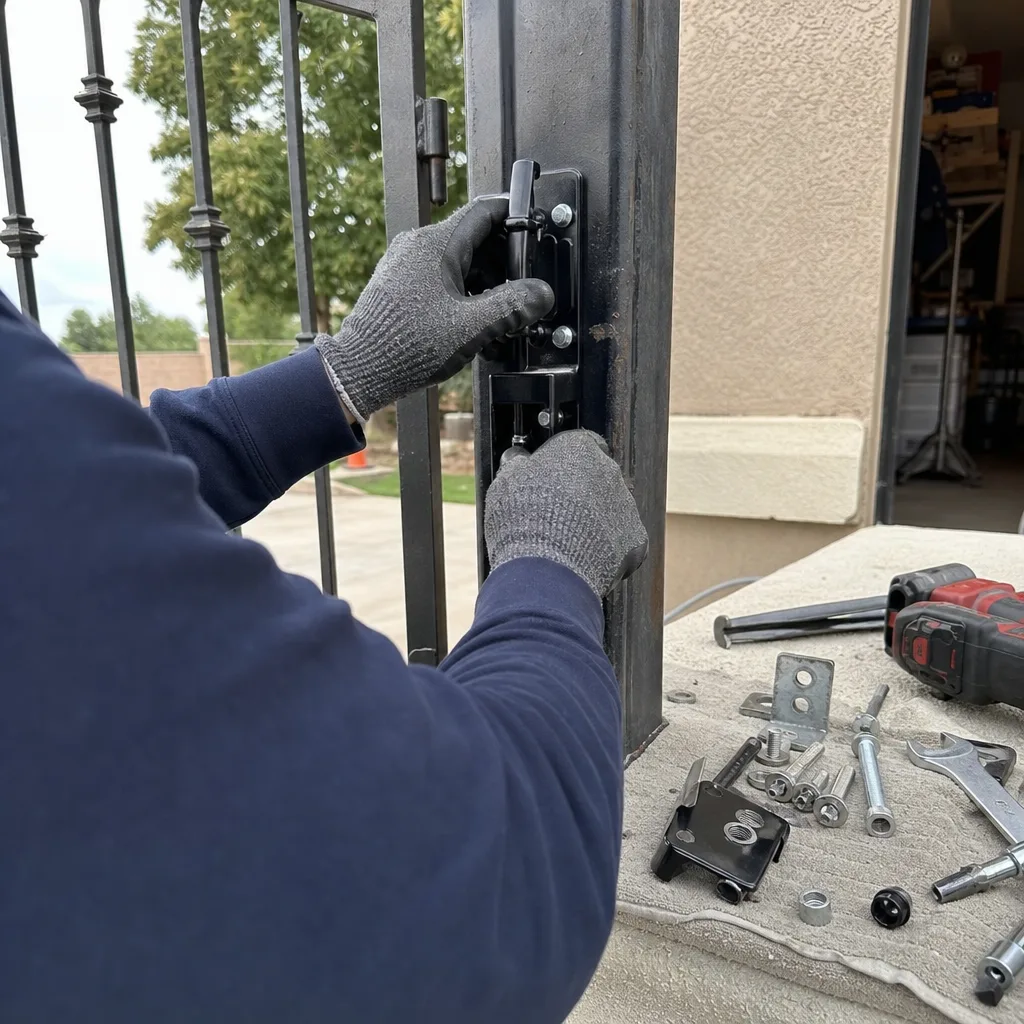
Forget “twice a year, whenever you get around to it.” Here’s the schedule that matches what actually happens to gates in this part of the valley.
April - pre-heat-season service
Before sustained 100°F days arrive, get ahead of the expansion cycle.
- Lubricate every pivot point - hinge pins, roller tracks, latch assemblies, and the operator’s drive mechanism - with a UV-stable synthetic grease or dry PTFE lubricant, not standard white lithium. The synthetic stays put through 90 to 120 days of UV.
- Clean the photo-eye lenses. Winter dust and pollen build up on the infrared beam that stops the gate if something crosses the path. A dirty lens mimics a misalignment and causes false stops.
- Check limit-switch settings before thermal expansion begins. A limit switch that’s already 10 to 12 degrees past travel will over-torque once summer heat swells the frame. If you don’t know where yours sits, a trained technician can read and note it in two minutes.
September - post-monsoon inspection
Monsoon gusts rack lighter gates and drive moisture into joints. This is the repair-season pass.
- Inspect every weld and frame joint for hairline cracks caused by wind-rack. A 3mm crack becomes a broken hinge bracket by spring.
- Check post plumb (see below - this is the highest-value task of the year).
- Clean and re-seal operator housing gaskets so fine desert grit stays out of the control board.
BeforeAfterWhy the Post-Plumb Check Is the Highest-Value Annual Task
The single most useful thing you can do for a Whitney driveway gate is check whether the posts have moved. Here’s how we do it, and what to look for:
- Set a spirit level on the hinge post and then on the latch post. Both should read dead plumb. Any visible tilt is a real problem.
- Measure the gap between the gate leaf and the latch post at the top and again at the bottom. A variance of more than 5mm between those two readings means the post has moved or the gate has sagged.
- Compare that gap to any prior record. If you have a dated photo of a plumb reading from two years ago, you can objectively tell whether the drift is progressive. That turns “it seems worse” into a measurable data point.
Why does post drift matter so much? Because the operator’s limit switches are referenced to a fixed position. When a post shifts even 4 or 5mm, the gate leaf stops hitting the same angle it once did. The operator compensates by pulling harder against the stop - burning out the drive mechanism months later. That is the failure chain we see most often in Whitney, and it starts with soil, not with the motor. Caliche soil is a slow mover; a post can drift a visible amount over 18 to 24 months without any single event you’d notice.
Lubricant Selection for Mojave Conditions
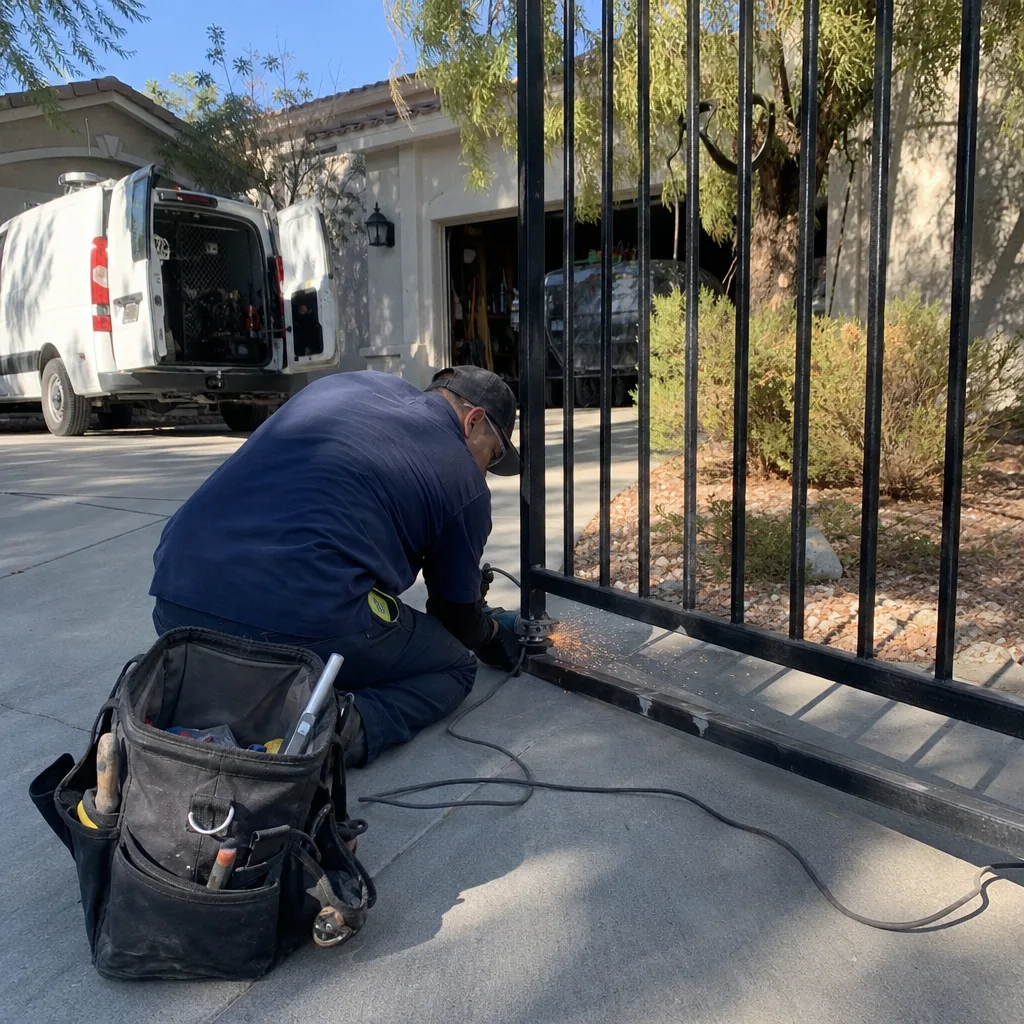
One choice makes a bigger difference here than any other product decision on the list.
| Lubricant | Service life in 110°F+ sustained heat | Best use in Whitney |
|---|---|---|
| Standard white lithium grease | ~60-90 days | Short-term spot touch-ups only |
| Dry PTFE (Teflon) lubricant | 3-6 months under UV | Hinge pins, latch plungers, limit-switch cams |
| High-temp synthetic grease | 6-12 months | Drive mechanisms, track rollers, gear boxes |
If you own a gate motor repair-prone system - say an older Ghost Controls arm or a Viking actuator with a sealed gear case - the synthetic option is the one that keeps the internal bearing coolest through August. We stock nothing, but our technicians arrive knowing which of the nine major automation brands (LiftMaster, FAAC, BFT, Linear, Viking, Ghost Controls, DoorKing, Elite, Mighty Mule) needs which product for which part of the system.
How Documentation Turns Maintenance into a Baseline
Most gate maintenance goes wrong because nobody kept a record. Two visits, two different technicians, two different guesses about whether the post was always tilted. Our habit from commercial access-control work carried into residential: on every visit - under the Haven Standard - we leave a photo log of what we found, what we adjusted, and what we installed, plus the limit-switch readings and a wiring diagram photographed on the spot. A homeowner with a dated photo of a plumb post from two years ago can compare it to today’s reading and know exactly whether a 6mm drift is new. That record also means the next visit takes 40 minutes instead of 90. If you’ve had another company quote a repair you’re not sure you need, bring us the paperwork. We’ll review any written estimate at no cost. You can also see how our process works on our home page.
Maintenance vs. Repair: When to Call
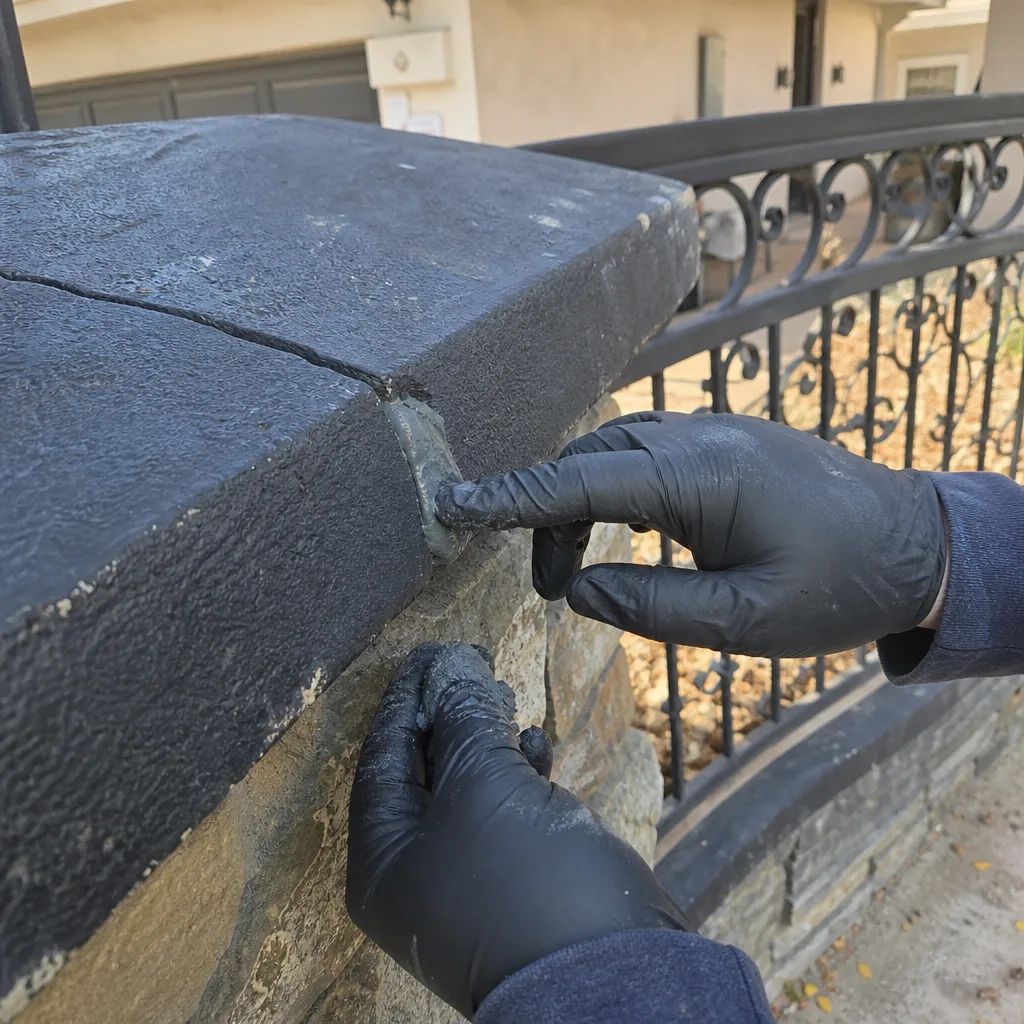
Some tasks - grease, photo-eye cleaning, sealing - a reasonably handy homeowner can handle. Others carry real risk. High-tension springs, drive arms under load, and operator control boards can cause serious injury if handled incorrectly, and a miscounted spring wind is more dangerous than a dead motor. Limit-switch adjustments on a live operator are another job for a trained hand. If your gate is cycling inconsistently, hitting a limit and reversing, or if you can hear the operator straining, that’s a repair signal - not a maintenance signal. The right next step is a documented diagnostic, which for us means photographs, written readings, and a flat written price before any tool is touched. It’s the same discipline we apply to Gate Repair in Whitney, gate installation, gate access control, and gate parts and welding.
If you’re in the middle of an HOA compliance discussion and need to prove your gate meets the association’s approved style or that a repair was done by a professional, the written record is useful there too - and the 365-Day Done Right Promise covers every completed repair for a full year at no additional charge, which is worth noting when an inspector asks about workmanship.
Key Takeaways
- Lubricate in April and September with synthetic or PTFE products, not white lithium.
- Do one post-plumb check each year and record it with a photo and date.
- A 5mm top-to-bottom gap variance means the post has moved and the operator is under stress.
- HOA CC&Rs generally put gate maintenance on the homeowner, even on shared walls.
- Keep a photo record, and hand it to the next technician – it saves time and prevents repeat work.
FAQs
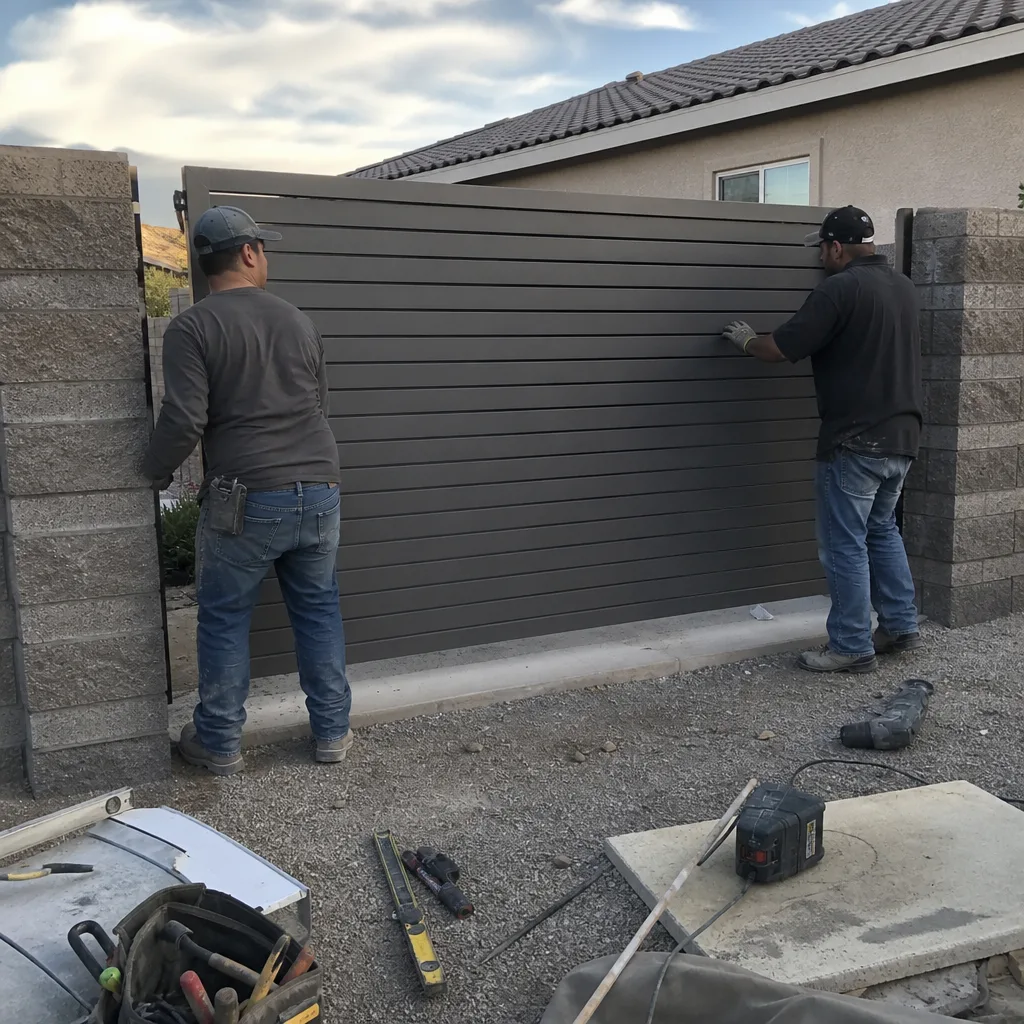
Twice a year in Whitney: once in April, before sustained heat, and again in September, after monsoon season. The 90 to 120-day window isn’t arbitrary - it’s roughly how long standard petroleum-based greases survive UV exposure at this altitude, so lubricating less often leaves hinges dry precisely when thermal expansion is highest.
A gate that reverses before closing almost always has a limit switch out of adjustment or a gate post that has drifted out of plumb, throwing the swing angle off. This is one of the more common calls we get in Whitney’s HOA subdivisions, and it’s fixable without replacing the operator. Call (844) 797-4861 for a documented diagnostic.
No - a smoothly swinging gate can still be slowly racking its post, and you won’t feel the drift until the operator starts straining. Caliche soil in this part of the valley moves posts gradually, and by the time you notice the symptom the drive mechanism has been compensating for months. A plumb check takes five minutes and prevents the most expensive failure mode.
Keep a dated photo of your gate’s plumb reading, the limit-switch positions, and a list of which parts have been replaced and when. That record lets any future technician - including us - see exactly what changed since the last visit, which saves diagnostic time and prevents paying twice to rediscover the same problem. We leave a photo log on every job for exactly this reason.
Get a Written Maintenance Baseline for Your Whitney Gate
If you’d rather have it looked at, Vance Gate Repair Whitney offers a no-pressure assessment in Whitney - we’ll measure post plumb, read and photograph your limit-switch settings, and hand you a written record of everything we find, whether or not you have any work done. Call (844) 797-4861 for a free estimate and to put a real maintenance baseline on file for your driveway gate.
Written by the team at Vance Gate Repair Whitney, serving Whitney, NV.