
Last updated November 18, 2026
 Wrought iron
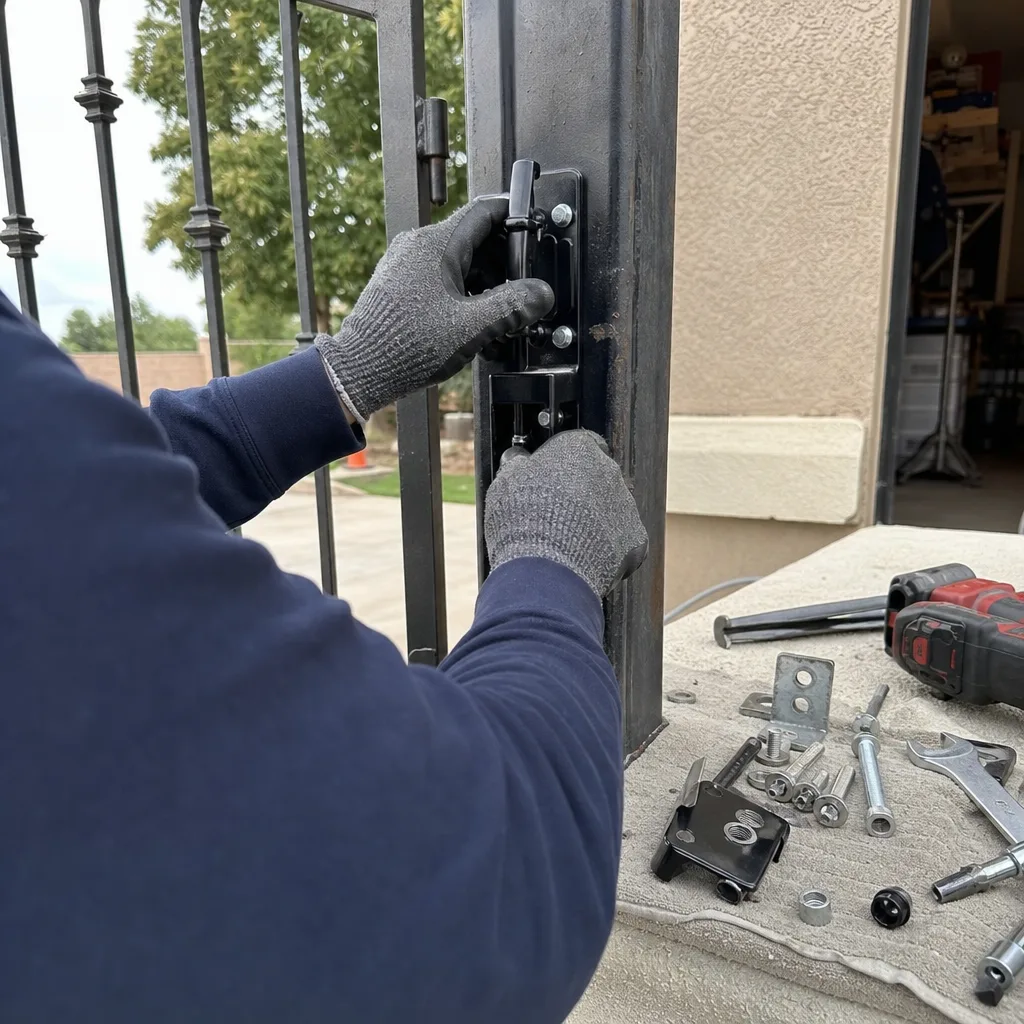
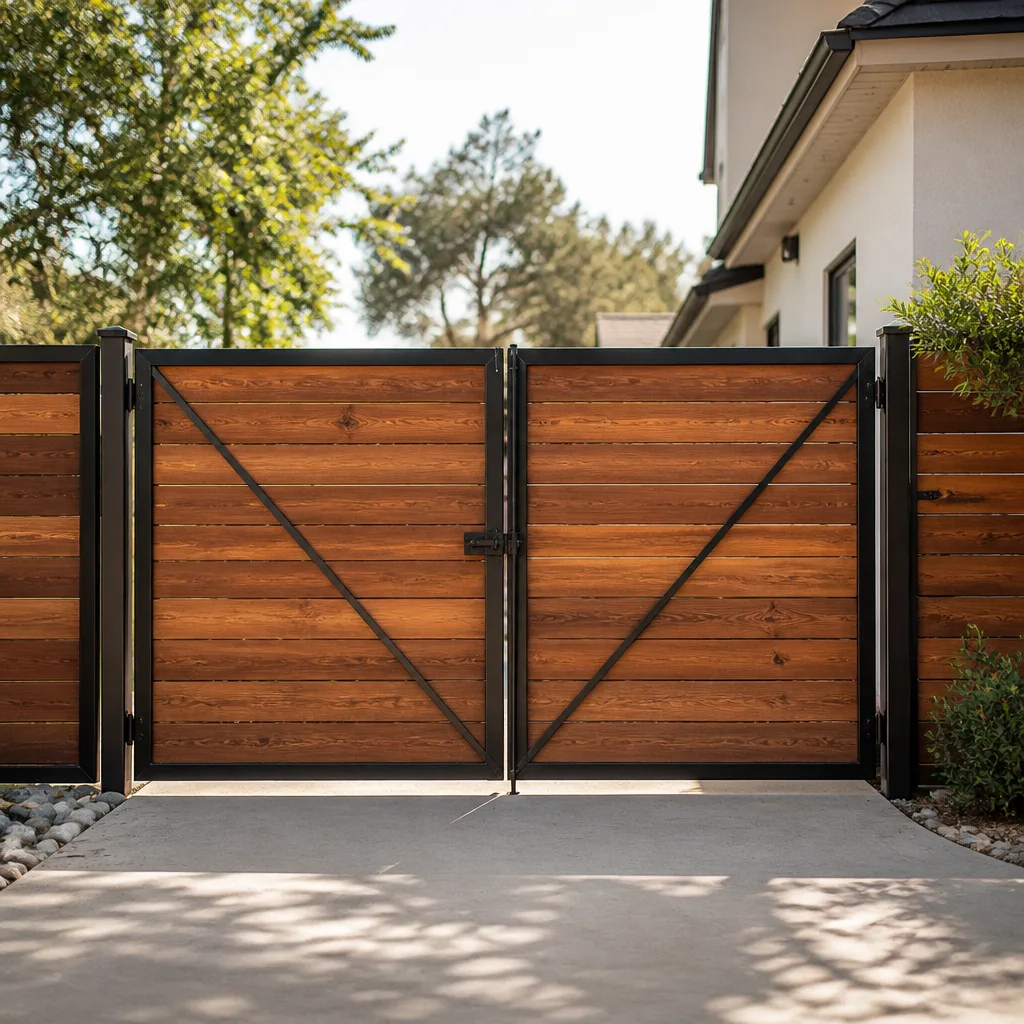 Wood & steel frame
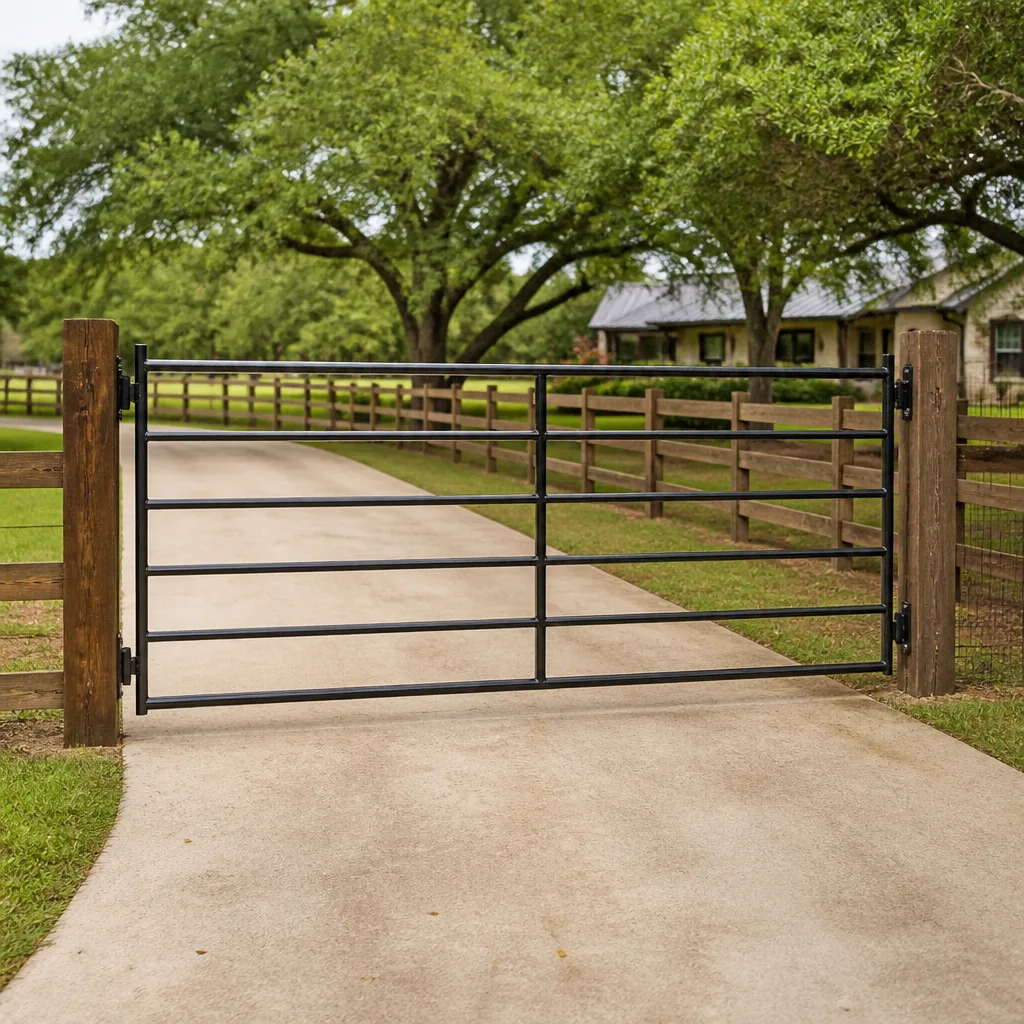 Farm & ranch
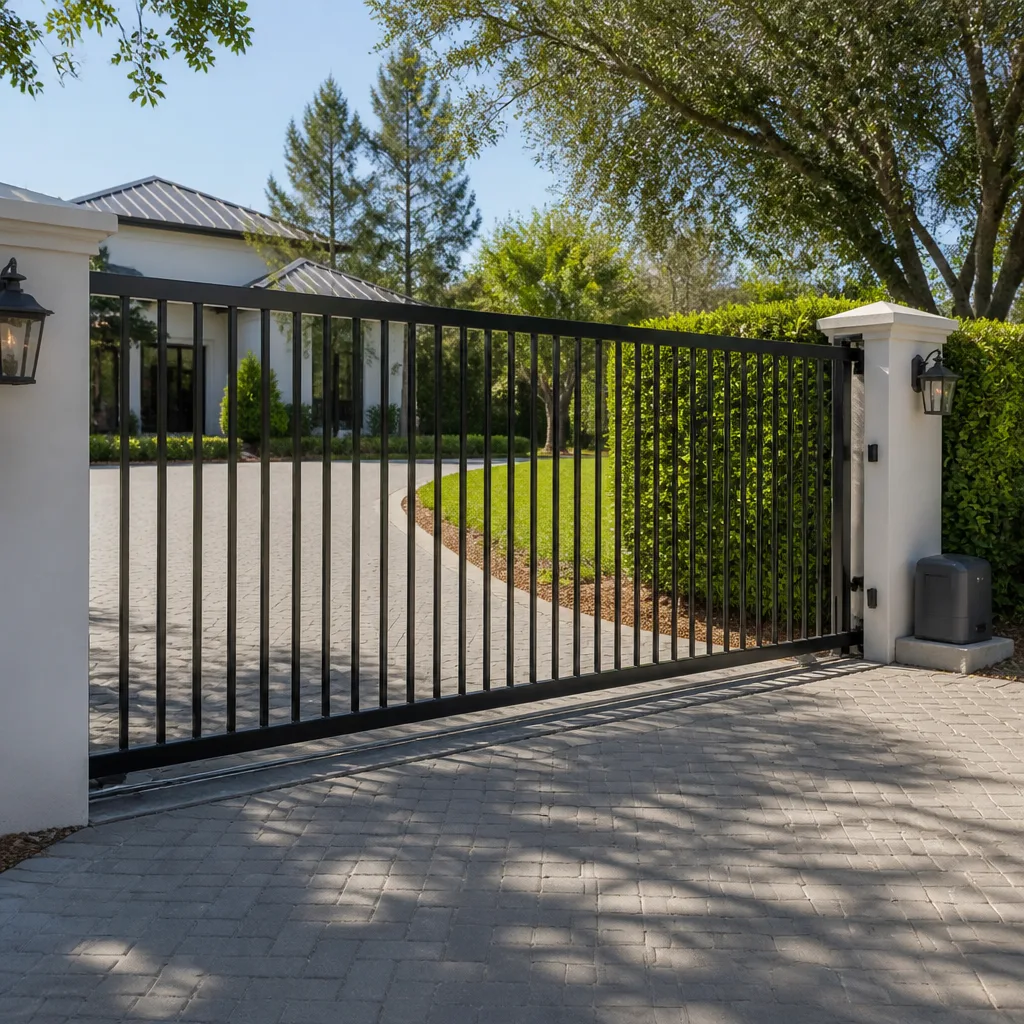 Sliding driveway gates
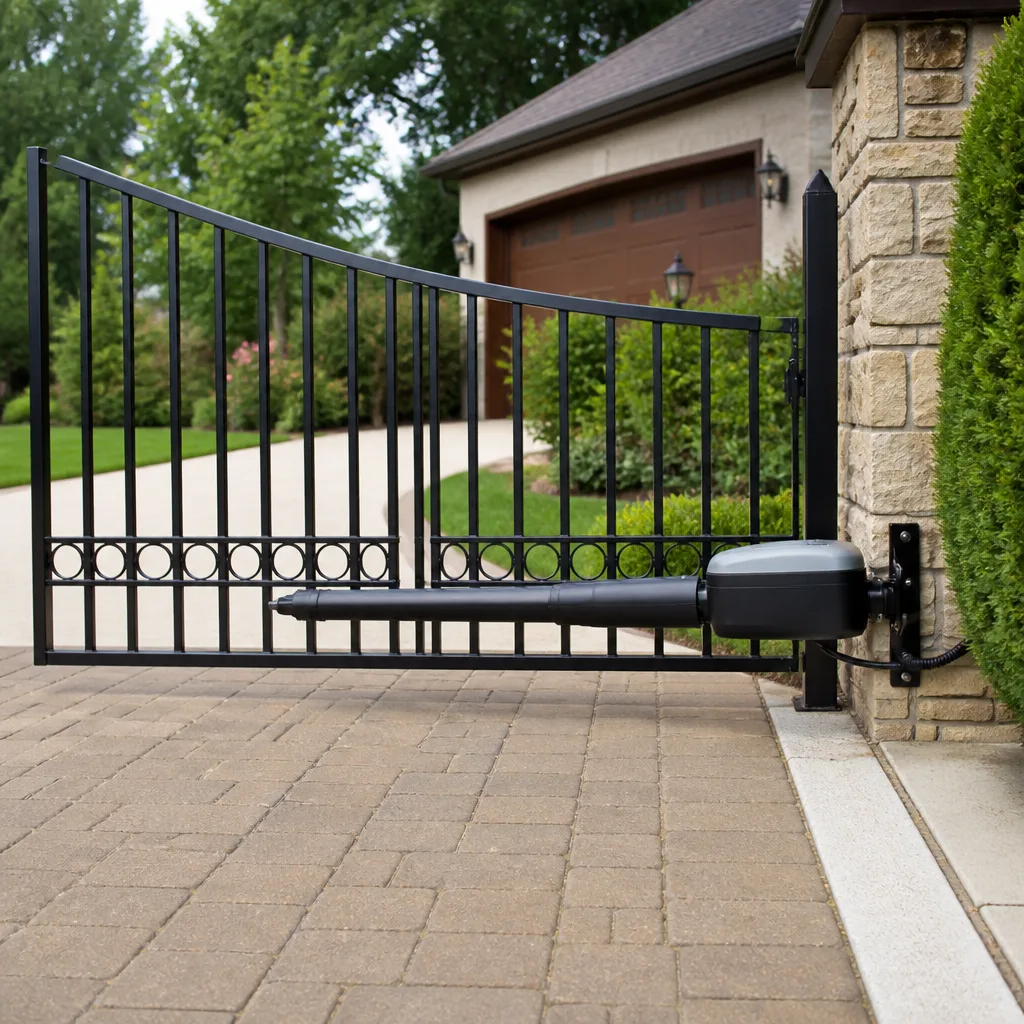 LiftMaster operators
Free on-site gate assessment - hinges, posts, and your LiftMaster or Nice gate operator checked before anything is quoted
The assessment is free and the quote is the invoice.
Get your free estimateGate Repair Emergency Preparedness Guide for Whitney Homes
A gate stuck open at 11 PM is a security event, not a repair event, and the first call you make determines whether it stays manageable. Here’s the part most homeowners never think about until it happens: the difference between a gate failure that resolves in twenty minutes and one that drags until morning isn’t luck. It’s preparation. Whitney sits in a stretch of the Las Vegas Valley where summer heat cooks gate operators, monsoon-season winds torque hinges out of alignment, and desert dust works its way into every exposed gear train. We’ve seen all of it. What follows is the sequence we’d want a friend to follow if their gate failed tonight: how to release it, how to secure it, what to have ready before you call, and how to tell whether you’re facing a real emergency or a morning problem. By the end, you’ll have a plan written down before you need it.
Quick Answer
An emergency gate failure in Whitney is resolved in four steps: release the gate manually using the correct mechanism for your operator, secure the opening with a physical barrier if the gate won’t latch, gather four pieces of information (operator model, symptom, last known working state, power status), then call a technician. Secure the property first, diagnose second, call third. Most failures fall into two categories: gate stuck open (a security concern) or gate stuck closed (a mobility concern). Both are manageable if you know your release mechanism before you need it.
Styles & brands we work with
- Wrought iron
- Wood & steel frame
- Farm & ranch
- Sliding driveway gates
- LiftMaster operators
Table of Contents
- How to Manually Release a Stuck Gate by Operator Type
- How to Secure a Gate in the Open Position Temporarily
- What to Have Ready Before You Call a Technician
- Is This a 24-Hour Emergency or a Morning Problem? A Triage Framework
- What to Photograph During the Emergency
- Whitney-Specific Conditions That Cause Gate Failures
- Common Mistakes to Avoid
- When to Call a Professional
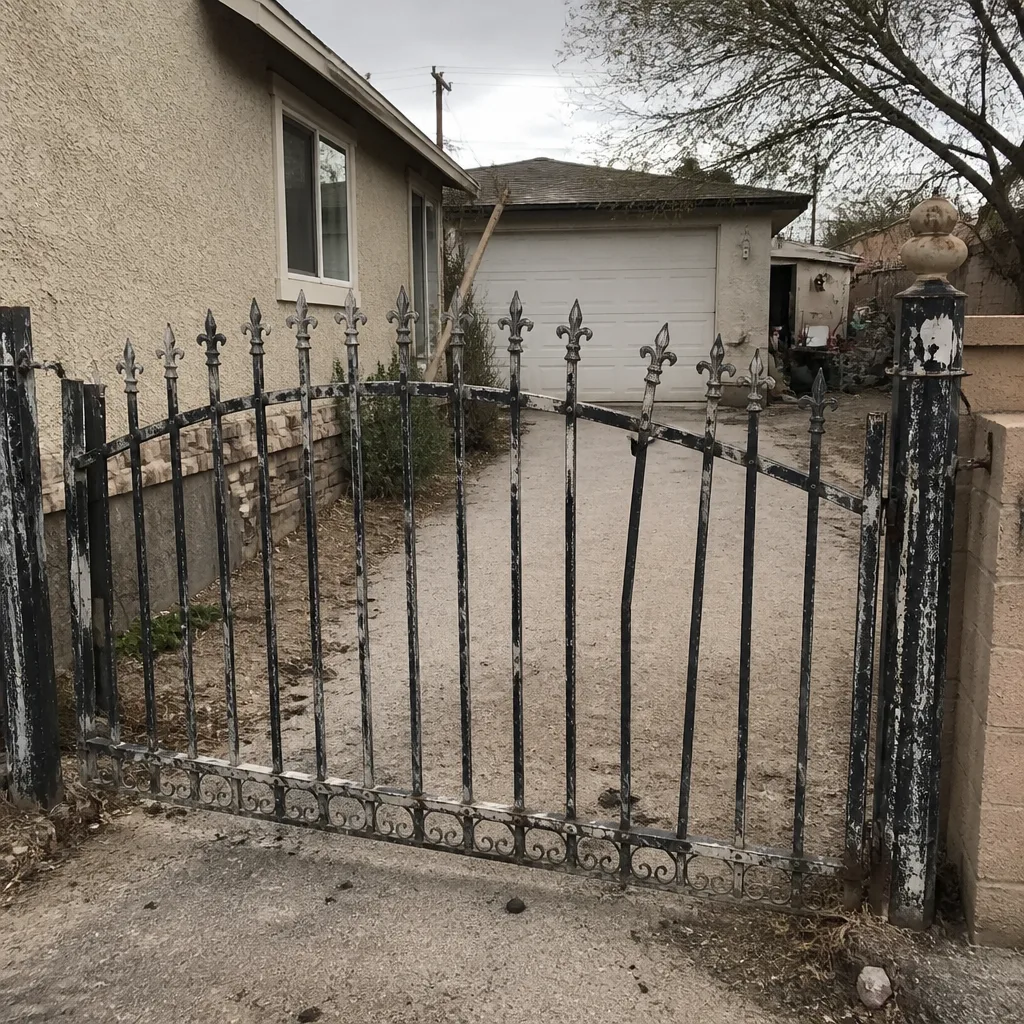 Before
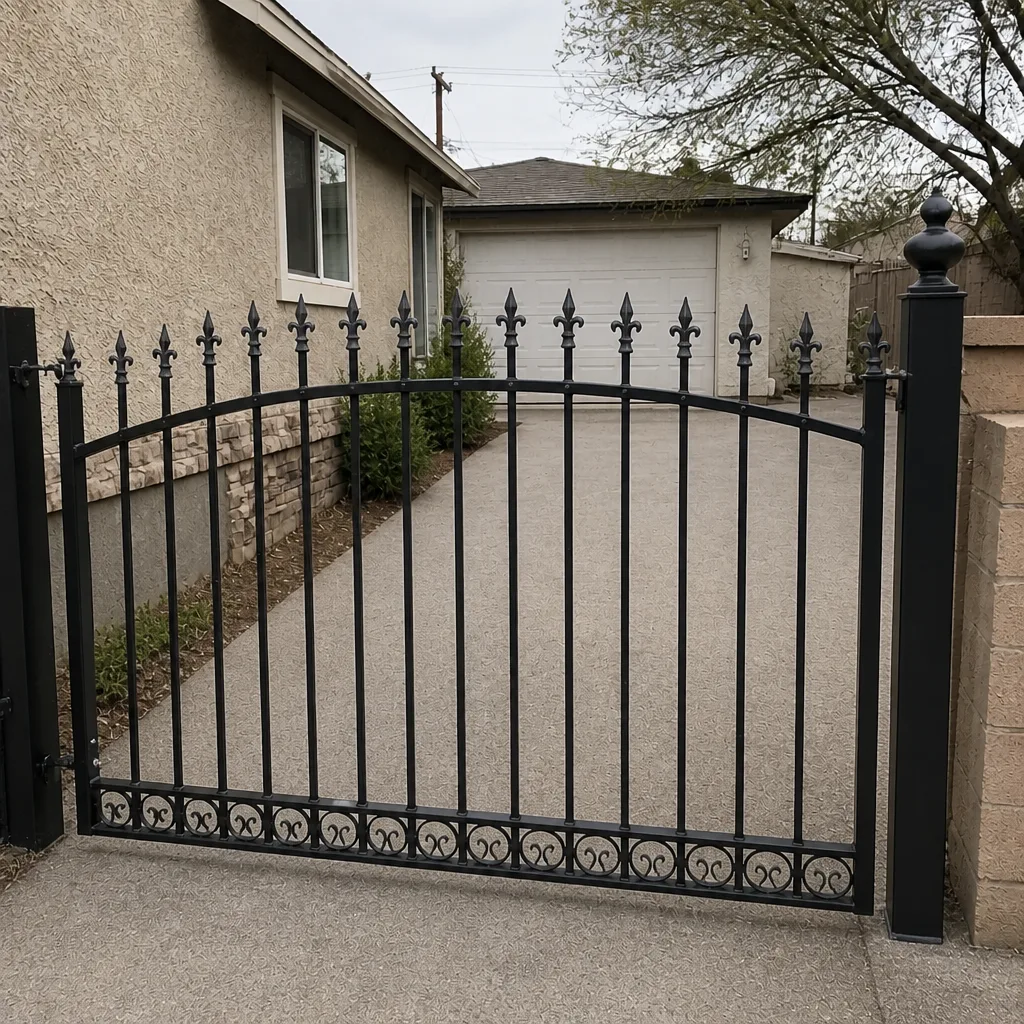 After
How to Manually Release a Stuck Gate by Operator Type
Every automatic gate has a manual release. The problem is that each manufacturer hides it in a different place, and homeowners discover this at the worst possible moment. Here’s where to find it on the four operator types we most commonly service in Whitney: BFT, Linear, Viking, and Ghost Controls. Find yours now, while the gate still works. Walk out with a flashlight and locate the release before you need it. That five minutes of practice will save you an hour of frustration later.
For BFT swing and sliding operators, the release lever is typically a keyed mechanism on the operator housing itself. You insert the key, turn it a quarter turn, and lift a lever that disengages the motor from the gate arm. On BFT sliding models, the release is often a manual chain or a lever behind a cover plate on the motor body.
For Linear operators, the release is usually a pull cord or a lever on the top or side of the housing. On older Linear swing models, you’ll find a keyed release on the arm itself. Pull the cord, and the gate should move freely by hand.
For Viking operators, the release is generally a keyed lever on the operator housing, similar to BFT. Insert the key, turn, and lift. Viking sliding operators often have a chain release on the motor body.
For Ghost Controls operators, the release is typically a pin you pull or a lever you flip on the actuator arm. Some Ghost Controls models use a keyed release cylinder. Check your manual or the sticker inside the control box if you’re not sure.
If you can’t find the release, don’t force anything. Call us and we’ll walk you through it. Forcing the gate can strip the gearbox or damage the limit switch, turning a simple release into a $400 repair. If your gate is beyond an easy release, our Gate Repair in Whitney service handles the diagnosis and fix.
How to Secure a Gate in the Open Position Temporarily
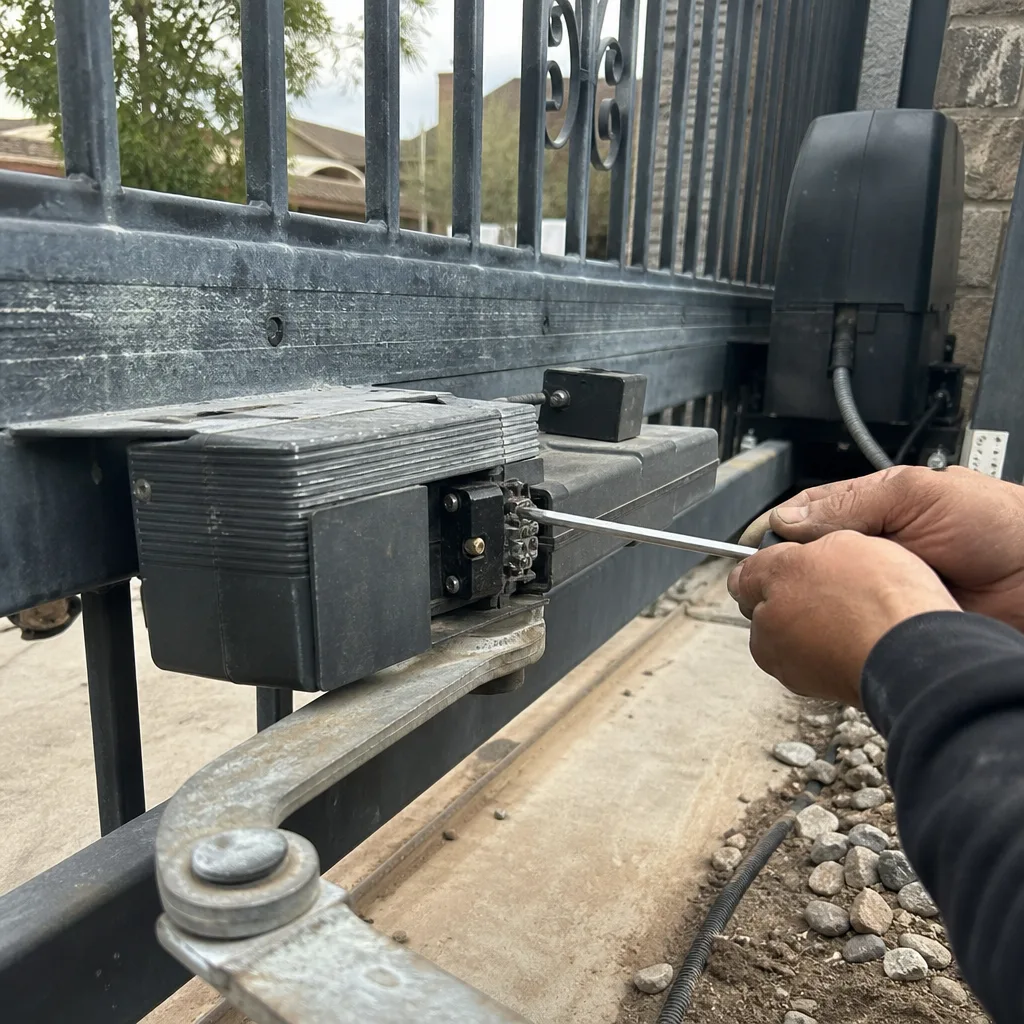
A gate that won’t close is a security problem, but you don’t need to wait for a technician to make the opening safe. The goal is to block the opening without damaging the operator or the gate structure, and without creating a situation that looks worse to a passerby than it is.
Start with a physical barrier. A heavy-duty chain and padlock run through the gate frame and around a post works for swing gates that won’t latch. For sliding gates, a c-clamp on the track or a piece of rebar through the track stops the gate from rolling. For a gate that’s stuck open but still powered, don’t try to force it closed electrically. Trip the breaker or disconnect the battery backup first, then secure it manually.
If the gate won’t stay put, a temporary barricade across the driveway is a reasonable stopgap. Two sawhorses with a length of lumber, or even a vehicle parked at the opening, sends the right signal. If the opening is on a street-facing side and you’re leaving it overnight, a motion-activated light and a camera pointed at the gap are cheap insurance.
What you shouldn’t do is prop the gate with a rock or a brick. It seems harmless, but it puts torque on the operator arm and hinges in a direction they weren’t designed to take. We’ve seen a two-inch rock turn into a bent actuator arm on a Whitney driveway more than once. Keep the barrier separate from the gate.
What to Have Ready Before You Call a Technician
The four items in this list are what let a technician prepare before arrival. If you can give us these before we pull up, the visit is faster and often cheaper. If you can’t, the visit starts with a search.
- Operator model. Look for a model plate on the operator housing, inside the control box, or on the arm. Write it down or photograph it. If you can’t find it, describe the housing color, shape, and any visible brand name.
- Symptom description. Not “it’s broken” but “it opens halfway and reverses” or “it hums but doesn’t move” or “the remote works from the driveway but not from the house.” Specific symptoms point to specific faults.
- Last known working state. When did it last work correctly? Was it fine this morning? Did it fail after a power outage, a storm, or a temperature swing? This tells us whether we’re looking at a sudden failure or a slow degradation.
- Power status. Is the operator getting power? Check the breaker, the outlet, and any battery backup. A surprising number of “gate failures” are tripped GFCI outlets or dead backup batteries.
Have this ready, and the call takes two minutes. If you’re in Whitney and your gate needs service, our Gate Motor & Opener in Whitney team handles diagnostics and repair for all nine major automation brands. If the gate needs structural work rather than motor service, Gate Installation in Whitney covers new gates and replacement.
Is This a 24-Hour Emergency or a Morning Problem? A Triage Framework
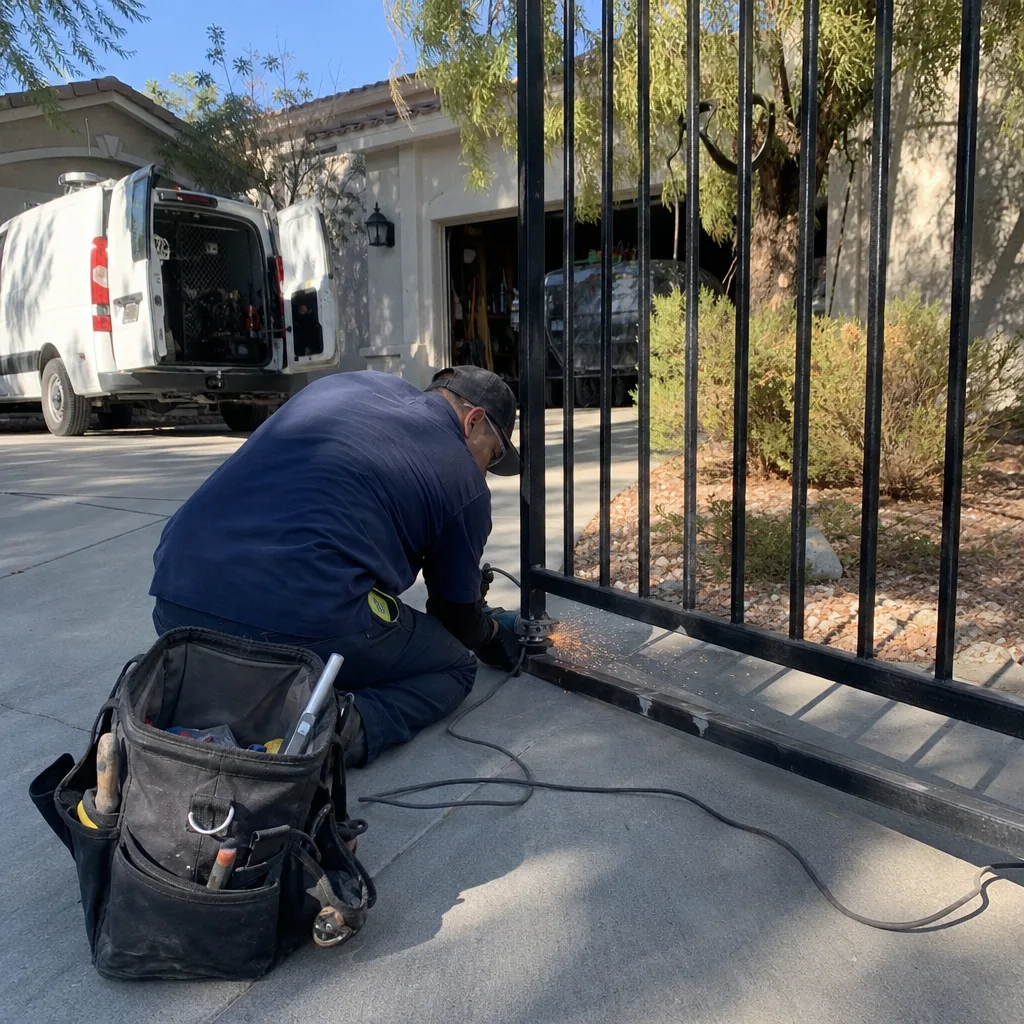
Not every gate failure warrants a middle-of-the-night call. Here’s the framework we use to decide how fast to respond, and you can use it too. The first question is safety: is the gate creating a hazard or leaving the property unsecured? The second is whether the gate is movable by hand. Everything else is a scheduling question.
- Gate stuck open and the property is unsecured: treat as an emergency. This is a security event, especially in Whitney’s warmer months when overnight foot traffic picks up. Secure the opening, then call.
- Gate stuck closed and trapping vehicles: treat as an emergency if anyone needs to leave for work, medical care, or school. Otherwise, a morning call is fine.
- Gate making grinding noises but still moving: not an emergency. Schedule a repair before the noise becomes a failure. Grinding usually means a worn gear or a failing bearing, and it gets worse with every cycle.
- Gate reversing or stopping mid-travel: often a limit switch or photo-eye fault. This can wait until morning unless the gate is blocking access.
- Gate won’t respond to remote but works from the keypad: a remote battery or receiver issue. Not an emergency.
- Gate cycles but won’t latch: usually a hinge, alignment, or latch striker issue. Not an emergency, but secure it before dark.
If you’re not sure which category you’re in, call us at (844) 797-4861. A live person answers 24/7, and we’ll tell you honestly whether you’re looking at a now problem or a tomorrow problem. There’s no penalty for asking. We’d rather talk you out of an unnecessary call than charge you for one.
What to Photograph During the Emergency
Before anyone touches the gate, photograph the fault state exactly as you found it. This is the diagnostic record, and it’s the single most useful thing you can do during a gate emergency. A technician arriving two hours later can’t see what the gate looked like when it first failed. A photo can.
Take five specific photos:
- The full gate and the opening, from a distance, showing how it’s positioned.
- The operator housing and control box, including any indicator lights or error codes.
- The limit switch or limit nuts, if visible, showing their current position.
- The photo-eye (infrared beam) sensors on both sides of the gate, showing whether they’re aligned and unobstructed.
- Any visible damage: bent arms, loose hinges, frayed wiring, or worn track.
If the gate displays an error code, photograph the code before you cycle power. Clearing the code clears the fault state, and you’ll lose the most useful diagnostic clue you have. In our experience, the homeowner’s phone photos are often as useful as the fault code for narrowing down what happened. Keep them. Under our written-price-before-work policy, you’ll know the cost before we touch anything, and those photos become part of the record.
Whitney-Specific Conditions That Cause Gate Failures
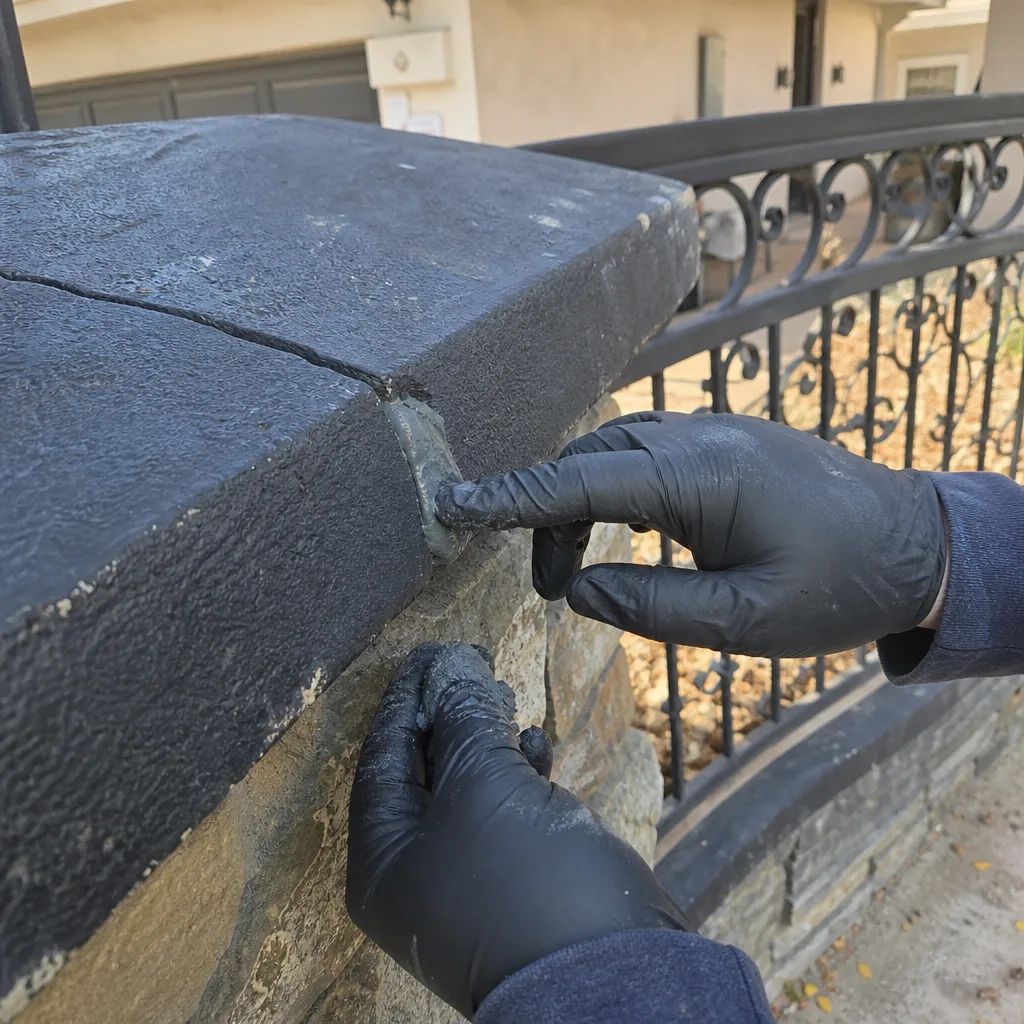
Gate failures in Whitney aren’t random. They track the climate, the soil, and the way homes in this area are built. If you live here, you’re working against conditions that don’t exist in places where gate technology was developed.
Summer heat is the biggest culprit. Metal gate frames expand in the afternoon and contract at night, which works hinges loose and shifts limit-switch settings over time. Operators mounted in direct sun hit thermal cutoff more often, and battery backups degrade faster in sustained heat. The June through September stretch is when we see the most mid-cycle failures and “gate opens but won’t close” calls.
Monsoon-season wind is the second. Whitney sits in a valley where summer thunderstorms produce sudden wind gusts that can take a gate off its hinges or bend a swing arm. If your gate wasn’t engineered for that wind load, a single gust can take it out. Hinges and posts are the weak points, and they’re the first thing we check after any storm call.
Desert dust is the third. It gets into exposed gear trains, limit switches, and photo-eye lenses. A photo-eye with a quarter-inch of dust on it reads as an obstruction, and the gate reverses every time it tries to close. It’s the single most common “emergency” call we get, and it’s also the easiest to prevent with a monthly wipe-down.
Soil movement is the fourth. Most Whitney lots have a layer of caliche under the surface, and gate posts set into it can shift with seasonal moisture changes. A post that’s moved half an inch can misalign the whole gate. Where we see this most is on properties with older swing gates set close to the property line. A gate that worked fine last year and now drags is usually a post issue, not an operator issue.
Common Mistakes to Avoid
- Forcing the gate by hand. If the release is engaged, the gate should move freely. If it doesn’t, something is jammed or locked. Forcing it strips gears and bends arms. On a Whitney driveway in August, we once had a homeowner bend an actuator arm by forcing a gate that had a jammed roller. The arm replacement cost more than the original repair would have.
- Prop the gate with a brick or rock. It puts torque on the arm and hinges in a direction they weren’t designed to take. Use a chain, a clamp, or a barricade instead.
- Skipping the power check. Tripped GFCI, dead backup battery, or a flipped breaker account for a meaningful share of emergency calls. Check power before you call.
- Clearing the error code before photographing it. The code is diagnostic gold. Photograph it first. Cycling power wipes it.
- Calling without the operator model. Model, symptom, last known working state, and power status are the four items that let a technician prepare. Without them, the visit starts with a search.
- Waiting until the gate fails completely. Grinding noises, slow cycles, and occasional reversals are warnings. Every one of them is cheaper to fix before the failure.
- Assuming a stuck gate is a motor problem. In our experience, roughly half of what looks like a motor failure is a hinge, track, limit switch, photo-eye, or power issue. The motor is usually the last thing to fail.
See the difference
BeforeAfter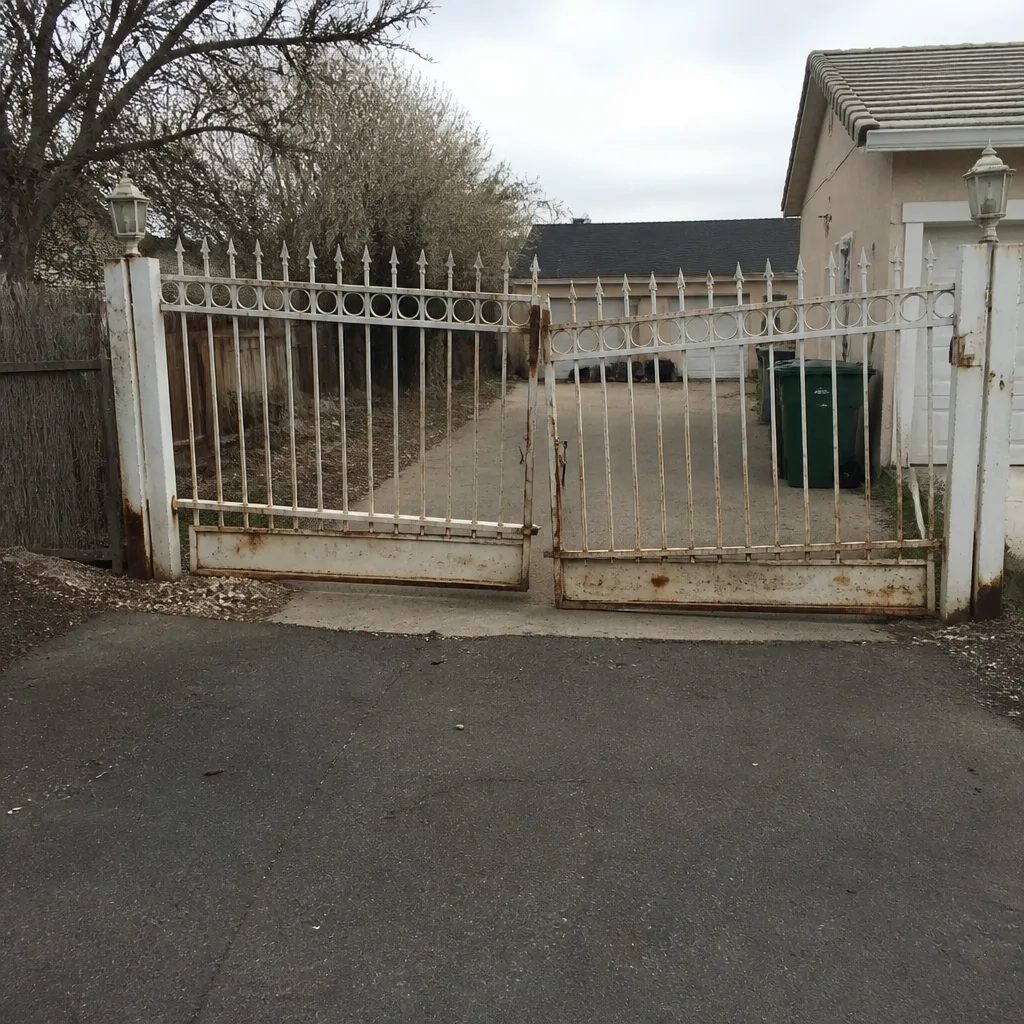 Before
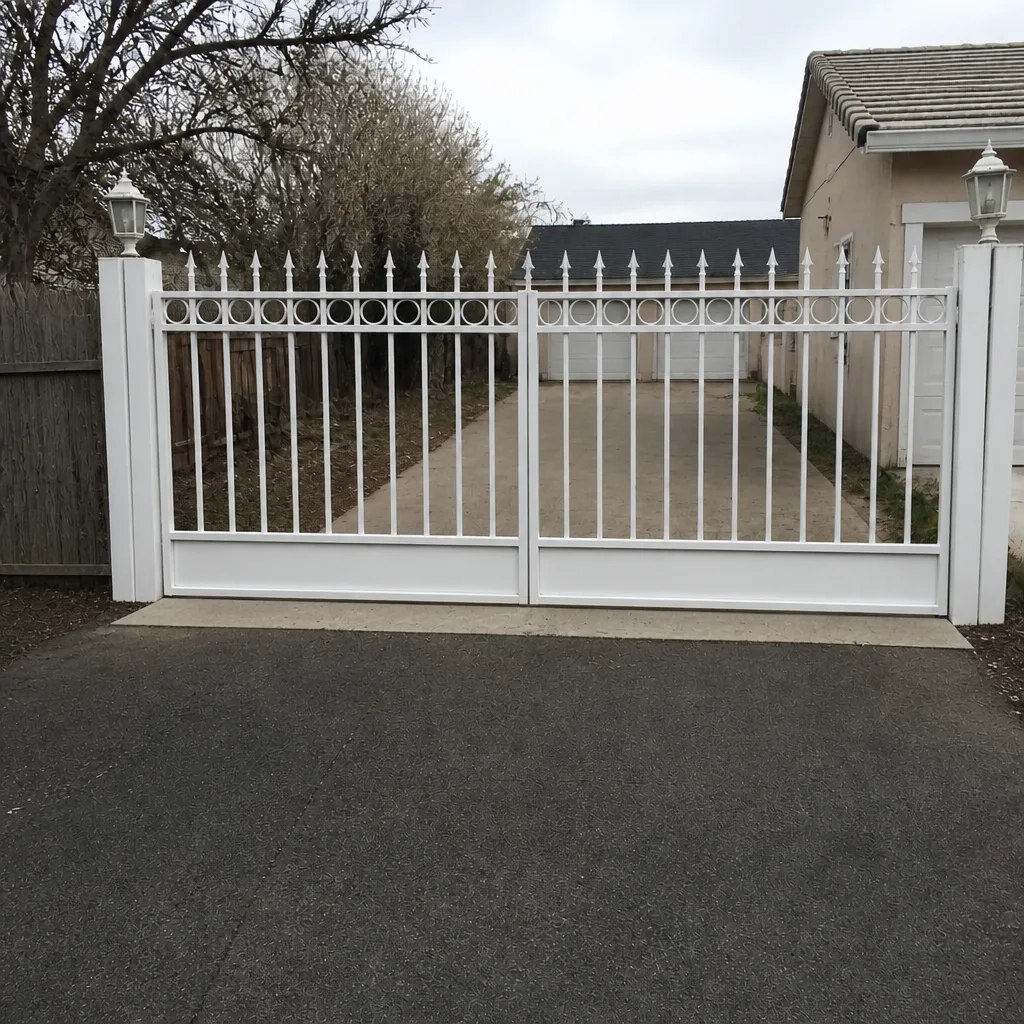 After
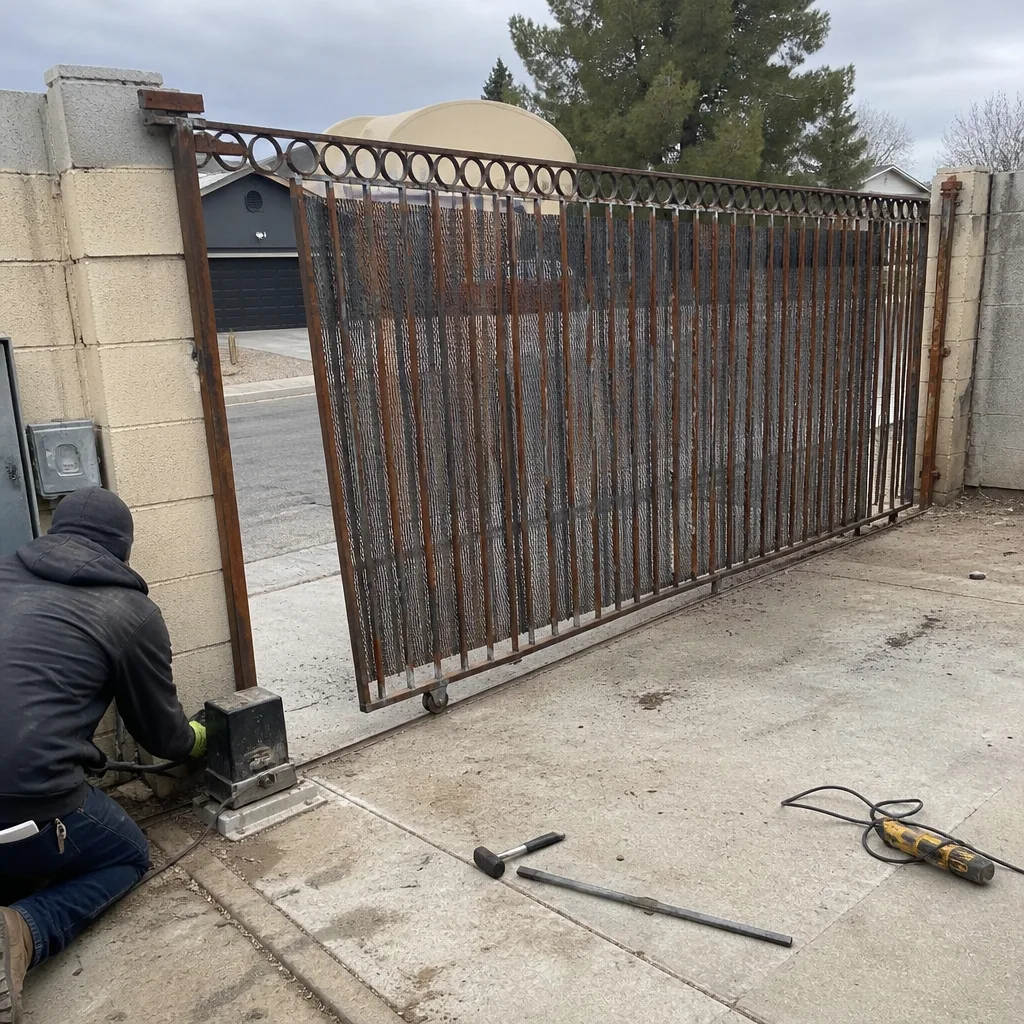 Before
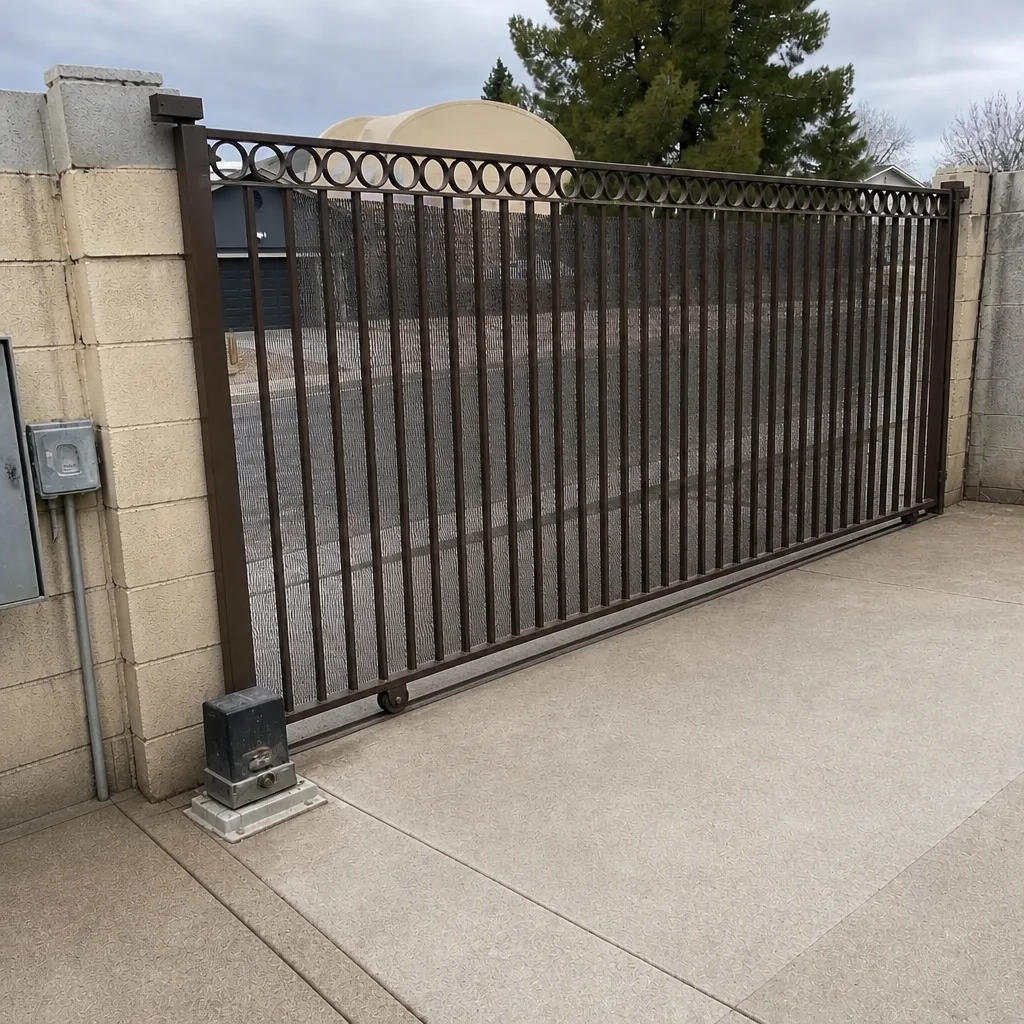 After
When to Call a Professional
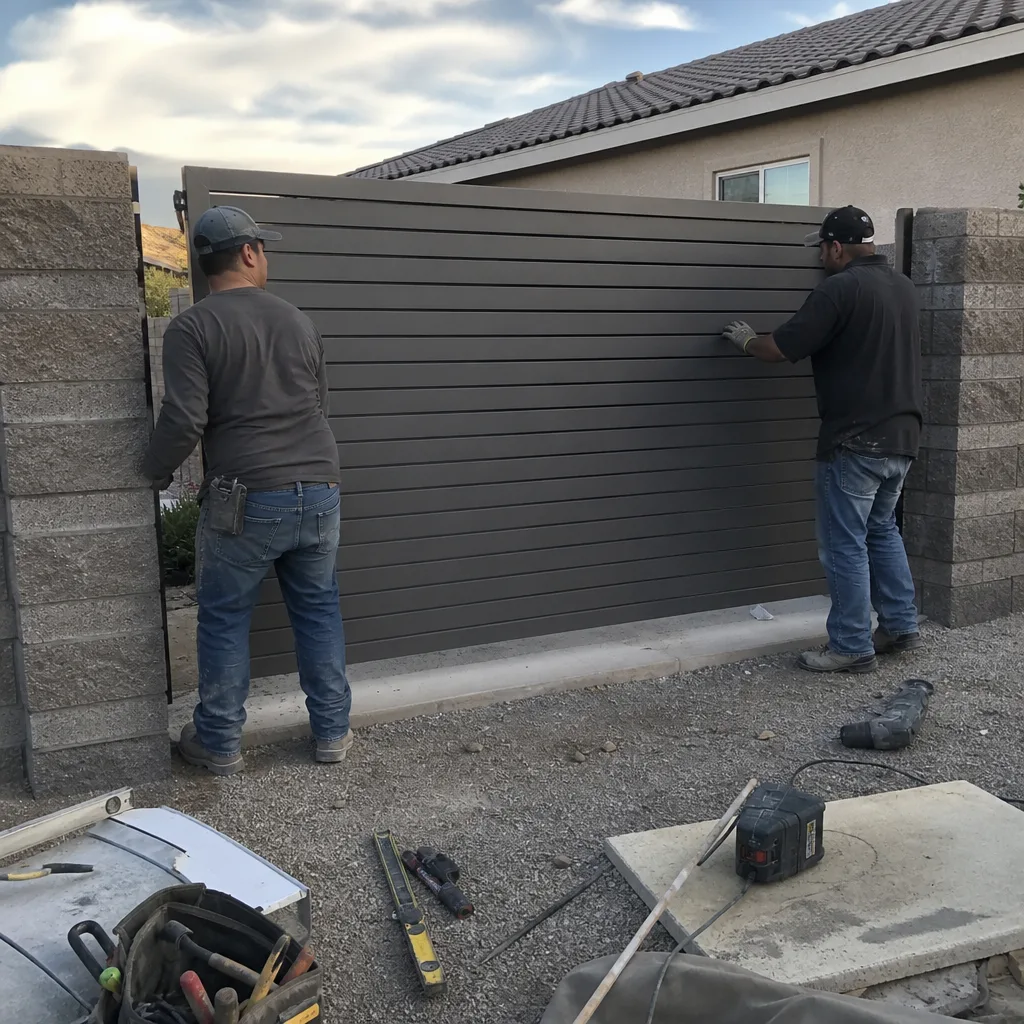
Call a professional when you can’t safely release the gate, when it’s stuck open and the property is unsecured, when it’s trapping a vehicle and someone needs to leave, or when you’ve found visible damage to the arm, hinges, or track. Also call if the gate is making grinding noises, cycling erratically, or reversing for no apparent reason. Gate operators combine high torque with stored mechanical energy, and the spring-and-arm assemblies on swing gates can move with enough force to injure. A trained technician knows how to isolate power, release tension safely, and diagnose the fault without putting you or the gate at risk. Vance Gate Repair Whitney offers free estimates in Whitney; call (844) 797-4861 for a written price before any work begins.
Frequently Asked Questions
Most emergency gate repairs in Whitney run between $180 and $450 depending on the failure type and the parts involved. A photo-eye adjustment or limit-switch reset typically falls at the low end. A motor replacement or actuator arm repair sits at the high end. The flat price is written and handed over before any work starts, so you’ll know the number before we pick up a tool. Call (844) 797-4861 for an exact quote; estimates are free.
Yes. We answer calls 24/7 with a live person, and we dispatch for emergency gate failures across Whitney. Same-day service is available for repairs and emergencies, not for installations or new gate builds, which require a measure and a scheduled appointment. If you’re not sure whether your situation is an emergency, call and we’ll tell you honestly.
Secure the opening first, then diagnose. Run a chain through the gate frame and around a post, or set a barricade across the driveway. Then check power (breaker, outlet, backup battery), and locate the manual release for your operator type. Photograph the gate and operator before anyone touches them. Then call (844) 797-4861 and have your operator model and symptom ready.
We service nine major gate-automation brands, including BFT, Linear, Viking, Ghost Controls, LiftMaster, FAAC, DoorKing, Elite, and Mighty Mule. That means we can work on whatever motor is already on your property rather than steering you toward a replacement. If your brand isn’t listed, call and we’ll confirm.
It depends on the brand, but the release is always on or near the operator housing. On BFT and Viking operators, look for a keyed lever. On Linear, look for a pull cord or lever on the housing or arm. On Ghost Controls, look for a pull pin or lever on the actuator arm. Locate it now, before you need it, and practice the release once.
Every repair is covered by our 365-Day Done Right Promise. If the repair isn’t right within one full year, we make it right at no additional charge. Every visit also includes a documented photo record of what we found, what we adjusted, and what we replaced, filed in the job record and left with you.
The Bottom Line
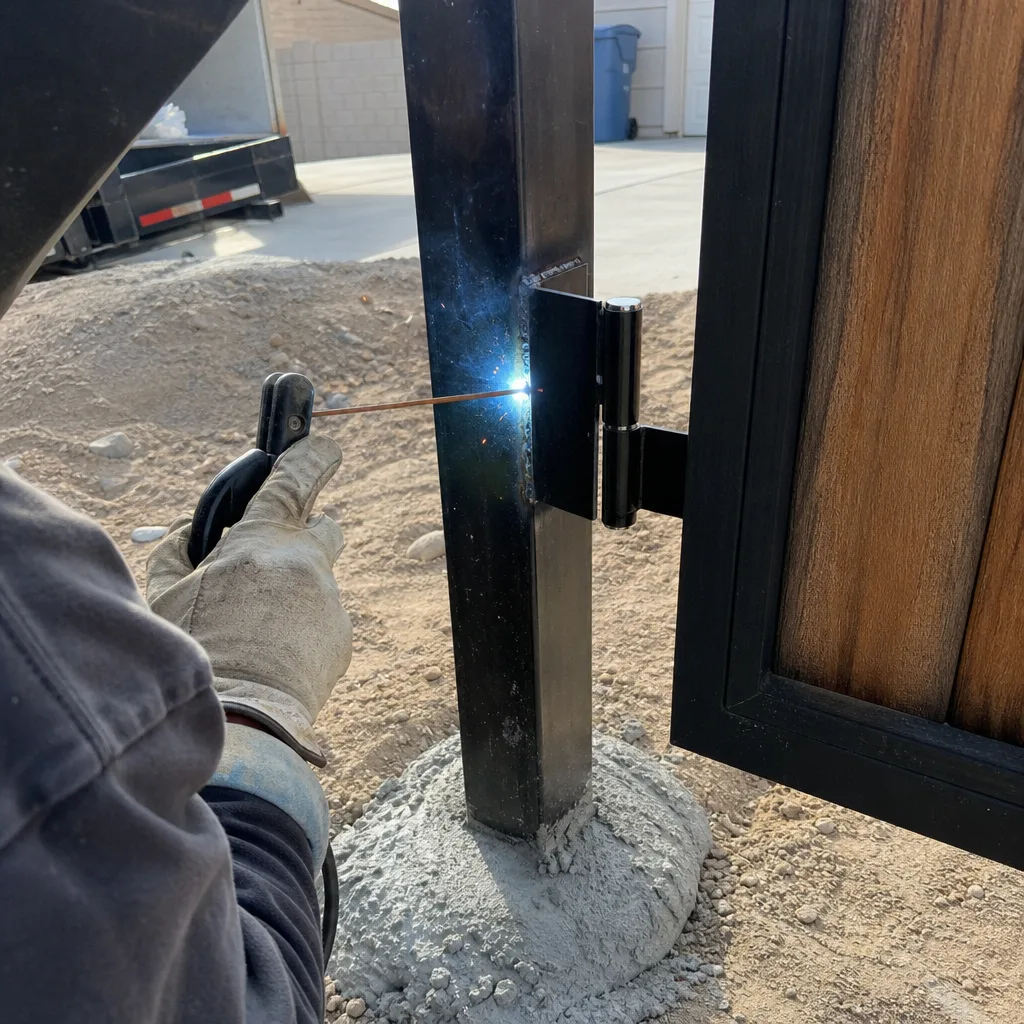
A gate emergency in Whitney is manageable if you’ve prepared the sequence before it happens. Locate your manual release now. Keep a chain and padlock near the gate. Know the four items to have ready before you call. Learn the triage framework so you know whether you’re facing a 24-hour emergency or a morning problem. Photograph the fault state before anyone touches anything. Do those five things and a gate failure becomes an inconvenience rather than a crisis. Our technicians have up to 12 years of experience with every major operator brand, and we answer the phone 24/7. When your gate fails, call (844) 797-4861 for a free estimate and a written price before work starts. Visit the Vance Gate Repair Whitney home page for an overview of everything we handle.
Written by the team at Vance Gate Repair Whitney.