
Last updated November 18, 2026
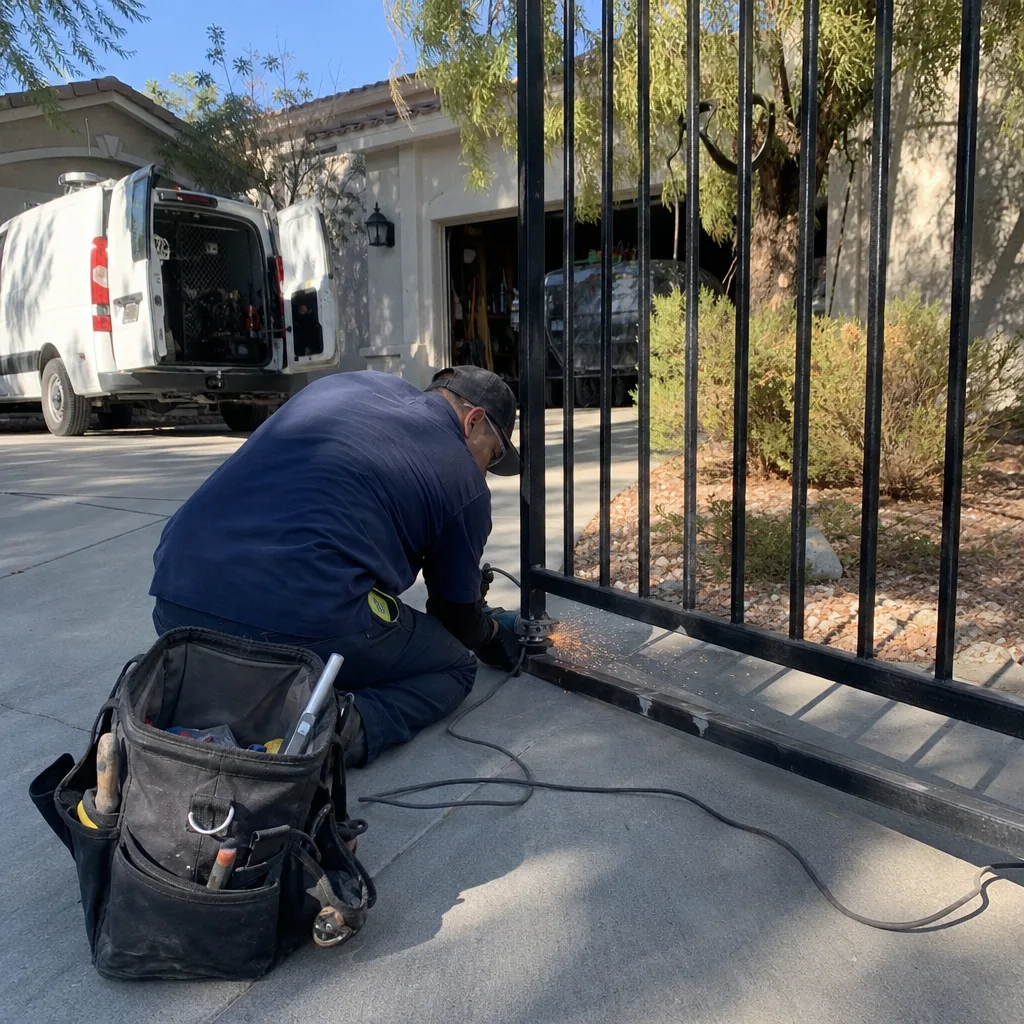
 Wrought iron
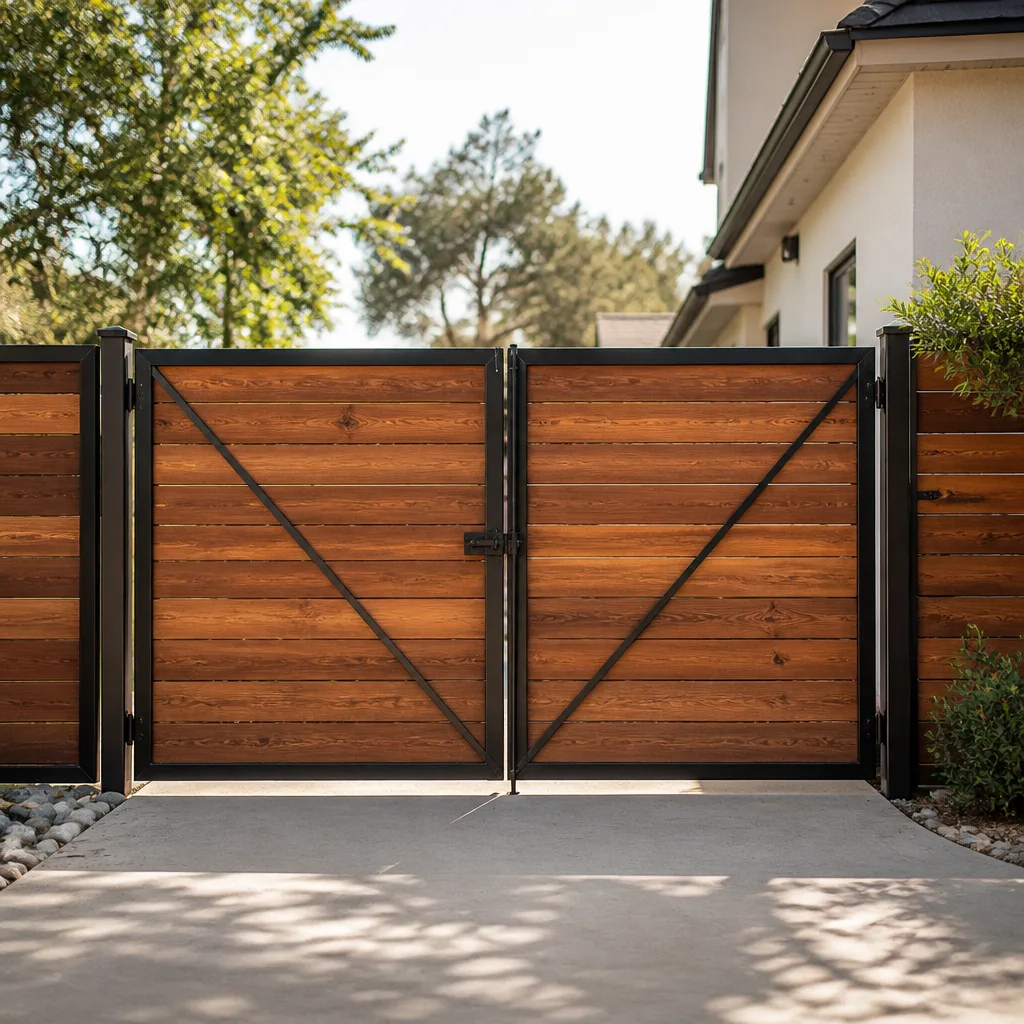 Wood & steel frame
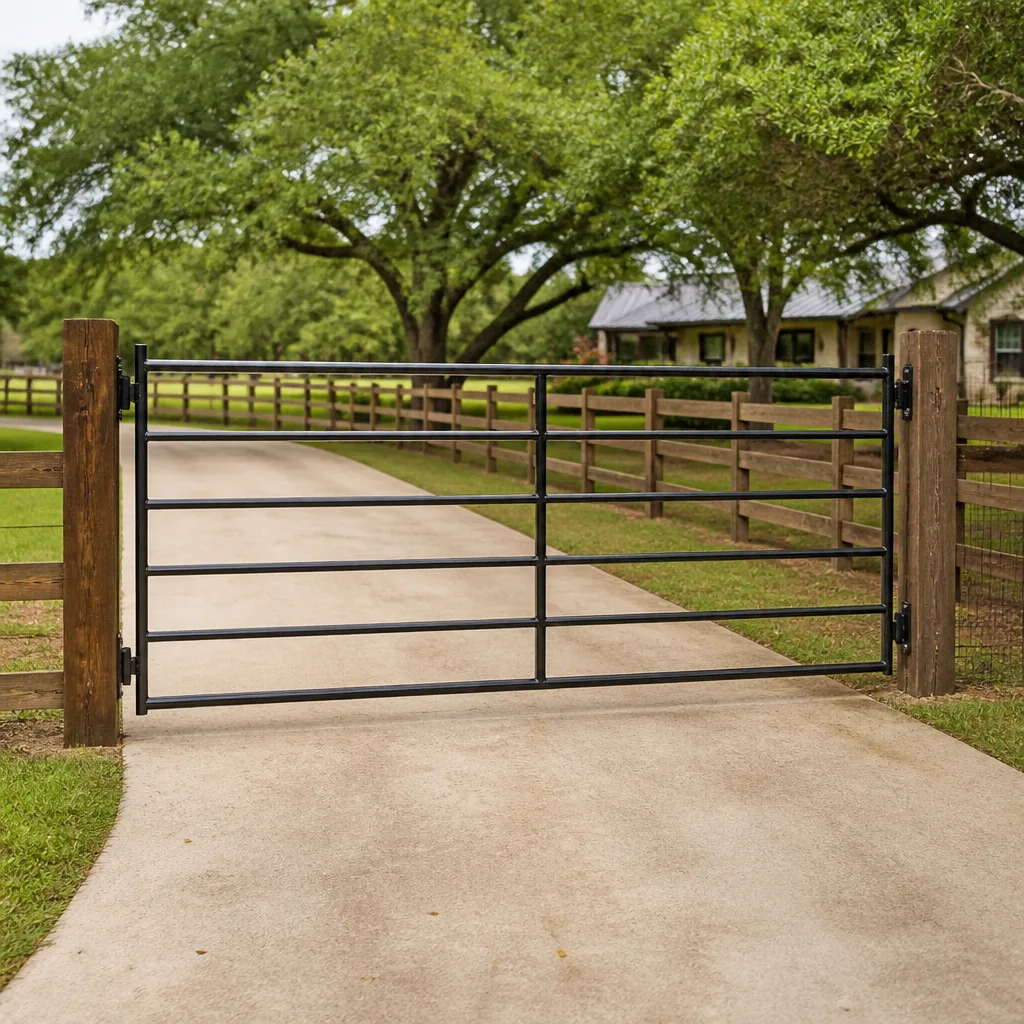 Farm & ranch
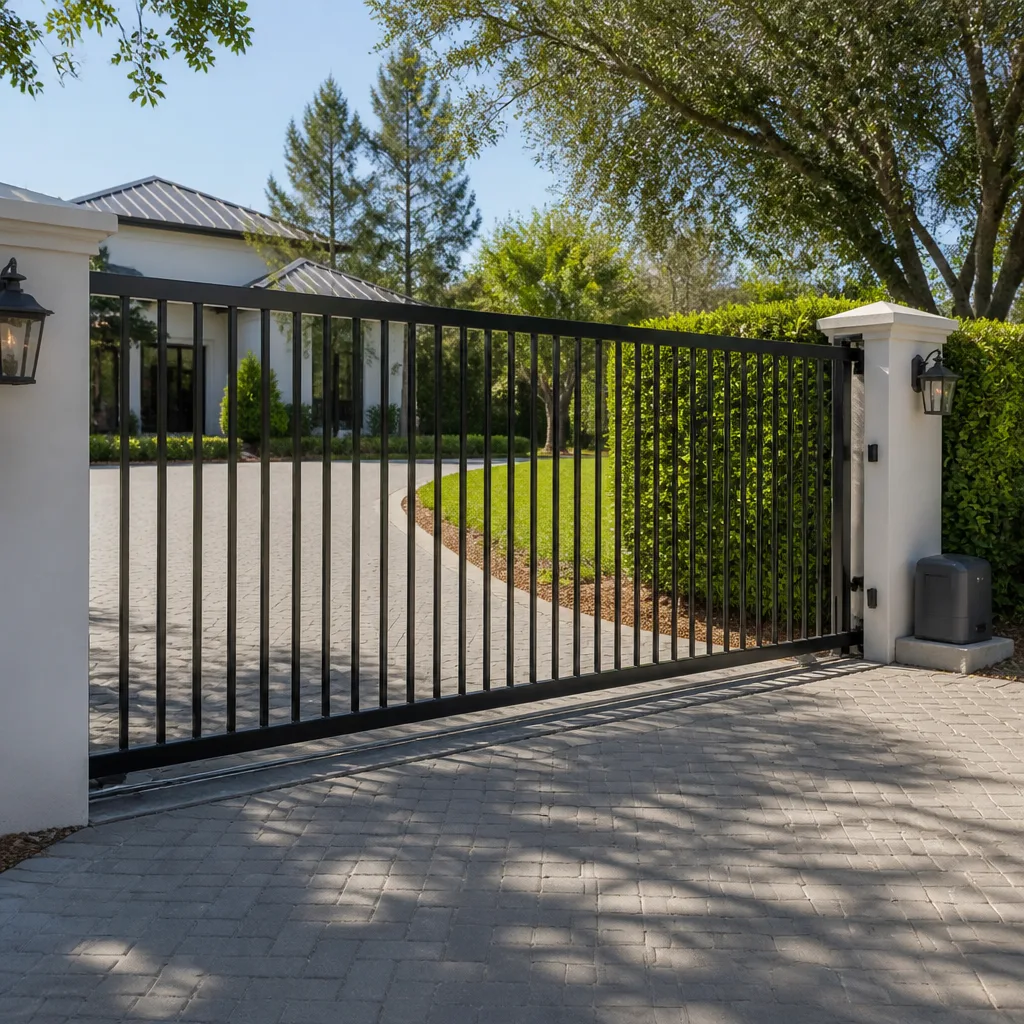 Sliding driveway gates
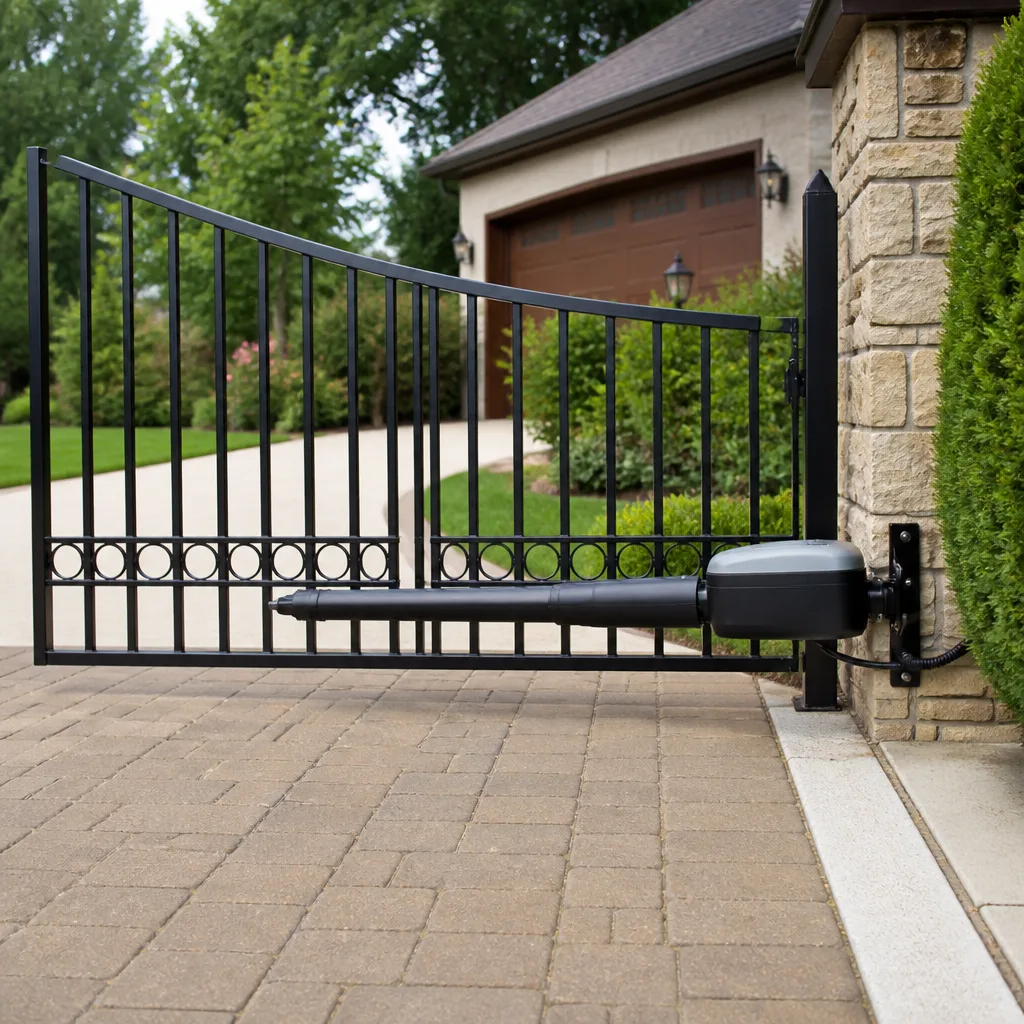 LiftMaster operators
Free on-site gate assessment - hinges, posts, and your LiftMaster or Nice gate operator checked before anything is quoted
The assessment is free and the quote is the invoice.
Get your free estimateThe Complete Gate Repair Guide for Whitney Homeowners
The second repair bill is almost always larger than the first. Not because gates get worse on their own, but because nobody wrote anything down the first time. We’ve seen it repeatedly in Whitney: a technician replaces a control board, takes the old one with him, leaves no photo, no reading, no note. Six months later the gate does the same thing, and the next technician starts from zero, guessing at wiring he’s never seen. This guide is about closing that loop. It covers how Whitney’s climate stresses specific gate parts, what a written scope should contain, how to tell a symptom fix from a root-cause fix, and a checklist you can use to confirm the work was actually done to spec.
Quick Answer
Most gate failures in Whitney trace to three things: hinge and roller wear from desert temperature swings, grease that breaks down faster than homeowners expect, and control-board corrosion from dust and heat. A proper repair starts with a written scope and price before any tool comes out, and ends with a documented photo record of what was found, what was adjusted, and what was replaced. Without that record, the next repair starts from scratch, which is how homeowners end up paying twice for the same problem.
Styles & brands we work with
- Wrought iron
- Wood & steel frame
- Farm & ranch
- Sliding driveway gates
- LiftMaster operators
Table of Contents
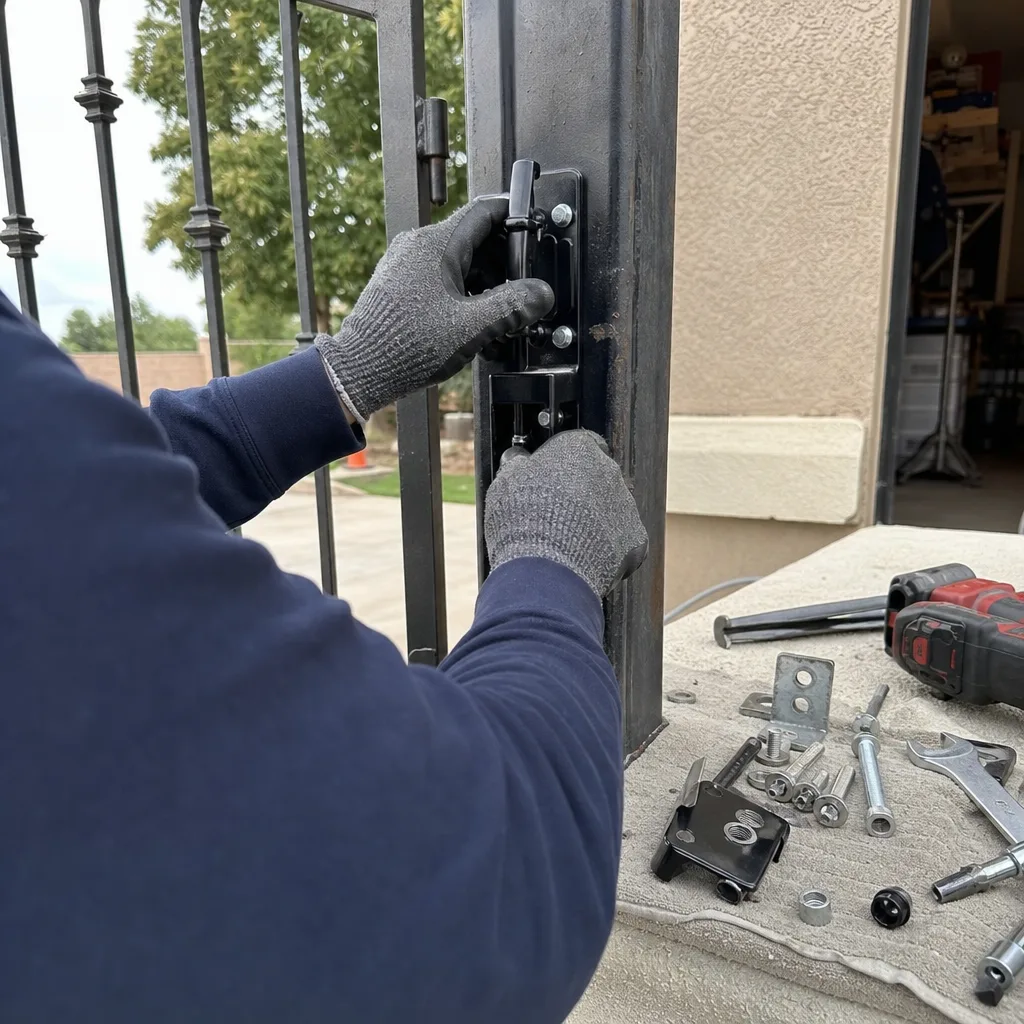
- Why Most Whitney Gate Repairs Fail Twice
- How Whitney’s Climate Accelerates Specific Failures
- What a Written Scope Should Contain Before Work Starts
- Symptom Fix vs. Root-Cause Fix: A Real Failure Sequence
- Why Photographic Documentation Matters for Every Future Call
- A Homeowner’s Checklist to Verify the Repair Was Done Right
- Working With Whatever Motor Is Already on Your Gate
- Common Mistakes to Avoid
- When to Call a Professional
- Frequently Asked Questions
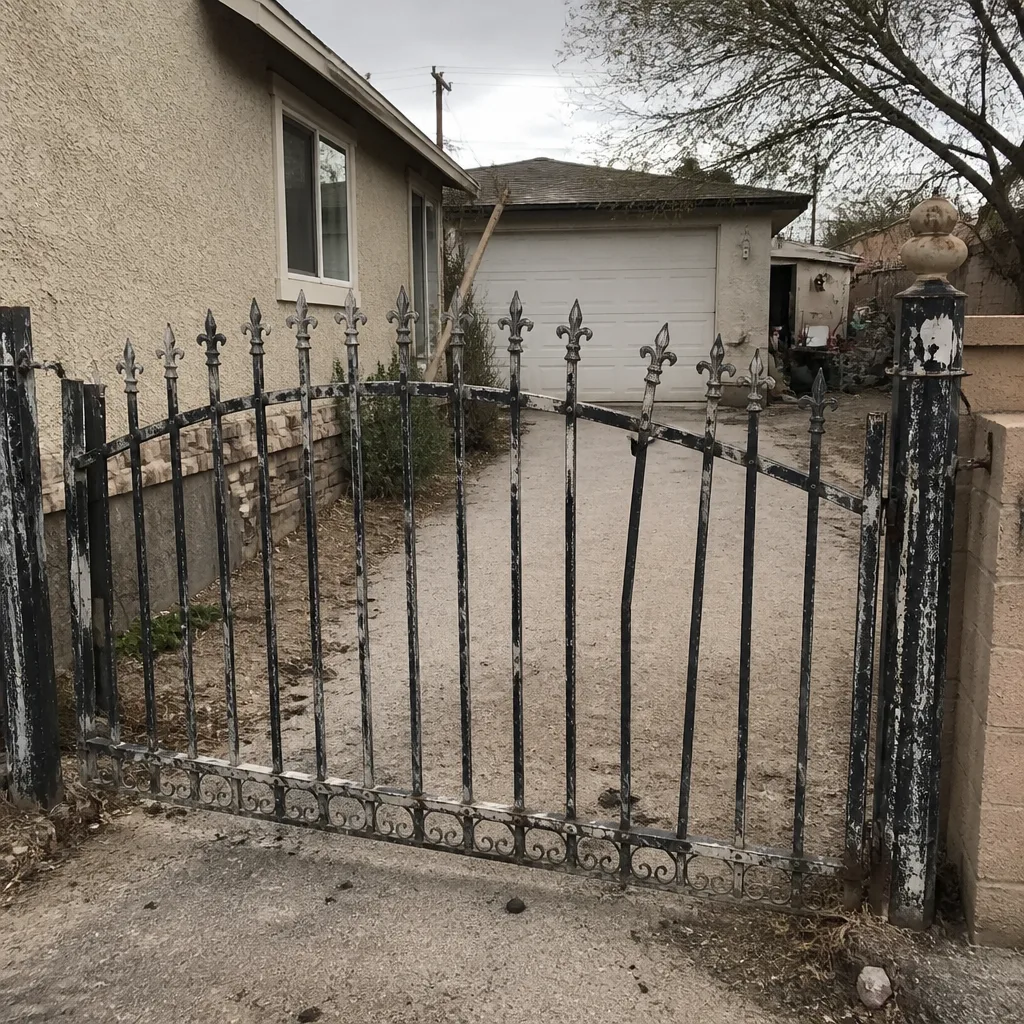 Before
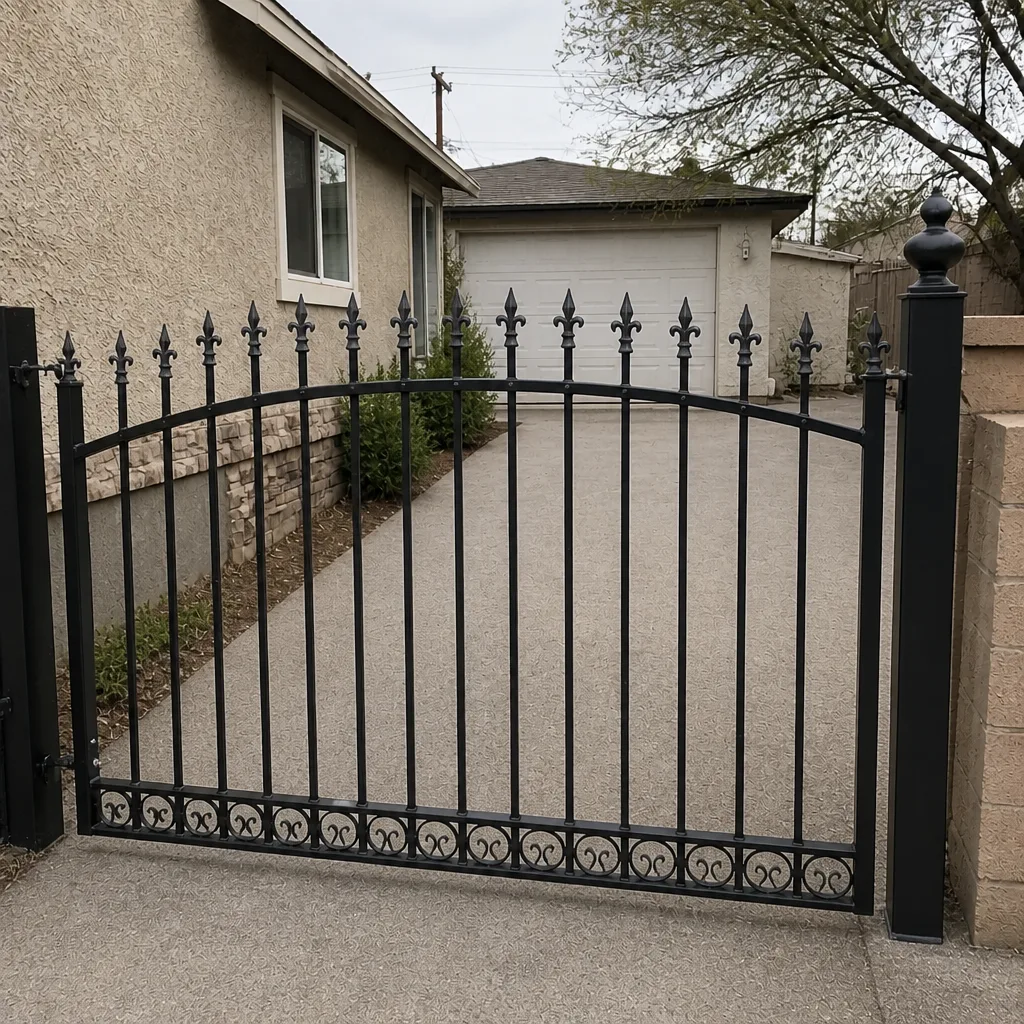 After
Why Most Whitney Gate Repairs Fail Twice
A repair that fixes the visible symptom without recording the underlying condition is really a deferred repair. It looks finished. The gate swings, the motor hums, the homeowner pays and moves on. But the information that explains why the gate failed never gets captured, and the next failure arrives with no history attached.
In our experience across Whitney, this pattern plays out in a few consistent ways:
- A limit switch gets bumped. The technician adjusts it by feel, gets the gate closing, and leaves. Nobody photographs the new position. Six months of thermal expansion later, the gate reverses mid-travel, and the next technician assumes the switch is faulty rather than mispositioned.
- A control board gets swapped without a wiring diagram. The gate works, but the low-voltage run and the accessory taps are now undocumented. Any future work on the photo-eye or keypad means tracing every wire by hand.
- Grease gets added instead of replaced. Fresh grease over old, oxidized grease is the automotive equivalent of putting clean oil on top of sludge. Wear accelerates, and the homeowner wonders why a “lubricated” gate is grinding a year later.
The second bill is larger because the second technician has to rediscover the system before he can repair it. That discovery time is billable. A photo record from the first visit eliminates most of it. This is the thinking behind the Vance Gate Repair Whitney home approach: the documentation is part of the repair, not a courtesy after it.
How Whitney’s Climate Accelerates Specific Failures
Whitney’s desert pattern is hard on gate hardware in ways coastal or temperate climates aren’t. Summer highs push well past 100°F, and winter nights drop into the 30s and sometimes lower. That daily and seasonal swing is the real enemy, because metal, grease, and circuit boards all expand and contract at different rates.
Here’s where we see the damage concentrate in Whitney:
Hinges and rollers
Hinge pins and roller bearings that see full sun through the afternoon heat expand, then contract overnight. Over a few seasons that cycling opens up tolerances, and the gate starts to sag or drag at the latch. A sagging gate loads the motor unevenly, which shortens the operator’s life. Hinge inspection is one of the first things we check on a Whitney swing gate.
Grease breakdown
Heat cooks grease. An operator gearbox packed with standard grease in spring can be running on a thin film by August. When the lubrication leaves, metal contacts metal, and the gearbox becomes the failure. A grease service on the recommended schedule is cheaper than a gearbox.
Control-board corrosion
Dust and grit find their way into enclosures, and combined with heat and the occasional monsoon-season humidity spike, boards corrode at connection points. That’s why an intermittent fault in a Whitney gate often traces to a corroded terminal rather than a dead board.
Photo-eye and safety-edge alignment
Ground movement from the shrink-swell of desert soils can shift a photo-eye post a fraction of an inch, enough to break the beam and stall the gate unpredictably. Aligning and photographing the new position is a small job with a long payoff.
What a Written Scope Should Contain Before Work Starts
Ask for the scope in writing before anyone touches the gate, and read it. A scope that says “diagnose and repair” is not a scope. It’s an open checkbook.
A real written scope should include:
- The specific finding, in trade language. Not “gate not working” but “limit switch set 12 degrees past travel” or “photo-eye beam broken by two-inch misalignment.”
- The proposed fix, itemized. Each part and each labor step, with the price next to it. If a part might be needed, say so and price it.
- A flat total. Not a range, not an hourly rate, not “starting at.” A number you can hold the company to.
- What’s excluded. If the gate needs a weld or a power run beyond the operator, the scope should say so up front, not as an invoice surprise.
- The documentation commitment. Whether you’ll receive a photo record of what was found and what was changed.
If a technician won’t put it in writing, that’s your answer. Decline the work and call someone who will. The price you’re quoted should be the price you pay, agreed before a single tool comes out.
Symptom Fix vs. Root-Cause Fix: A Real Failure Sequence
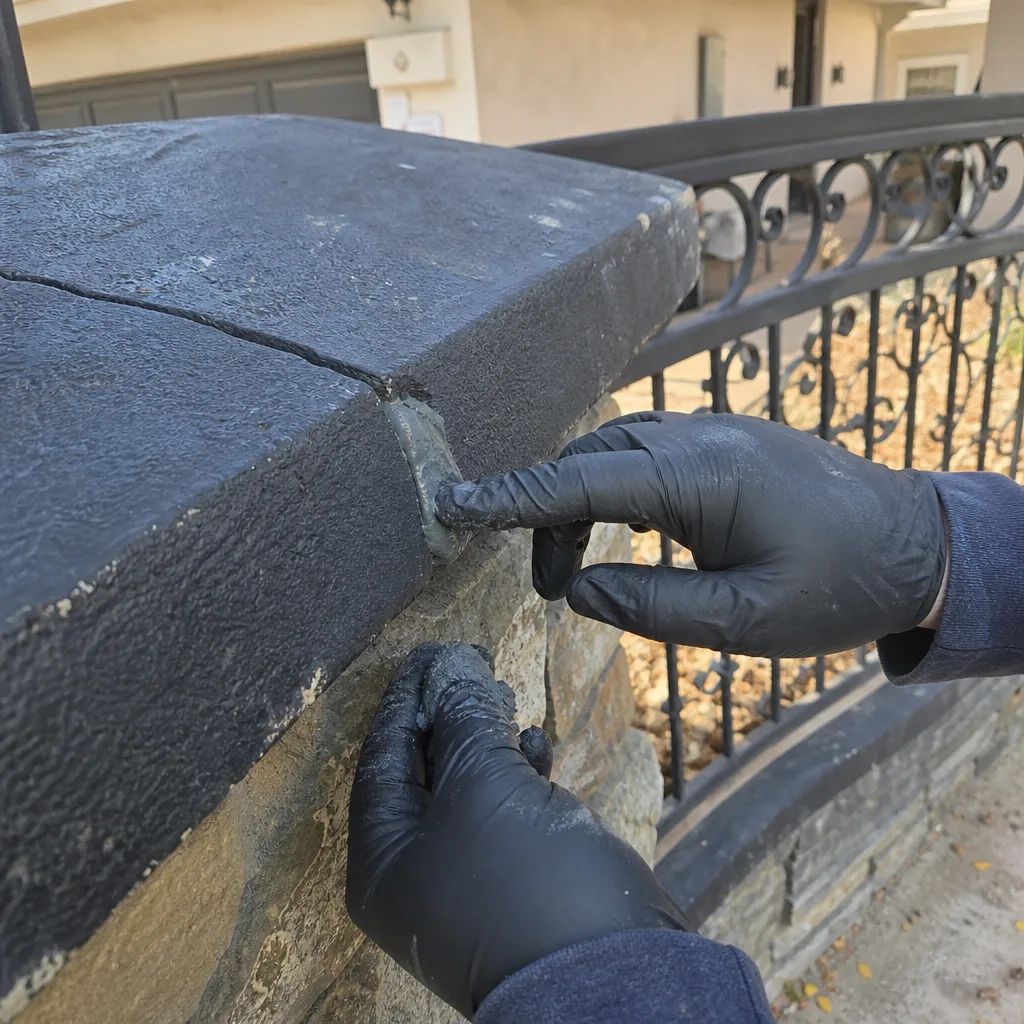
Here’s a sequence we’ve seen play out on Whitney gates more than once, and it shows the difference cleanly.
Visit one. The gate opens two feet and stops. A technician finds the control board throwing a fault, replaces it, and the gate works. Invoice paid. No diagram of the accessory taps, no record of motor current draw, no note about the gate’s mechanical drag.
Visit two, four months later. Same symptom. The new board is fine but the operator is drawing high current because a hinge is binding. The board was never the root cause; the binding hinge was, and the extra current was what tripped the board. The first technician fixed a symptom. The real cost of that visit was the second visit.
The root-cause repair looks different. Before replacing a board, the technician checks current draw, inspects hinges and rollers for binding, verifies the limit switch positions against travel, and confirms the photo-eye is aligned. If the board is tripping because the motor is fighting a stuck hinge, the hinge gets fixed and the board survives. Every finding gets photographed and left with the homeowner.
This is why we describe a repair by what was found, not by what was felt. “The current draw was 40% above spec because the latch-side hinge was seized; we freed it, set the limits, and photographed both” is a root-cause record. “Replaced board, gate working” is a symptom guess you’ll pay for again.
Why Photographic Documentation Matters for Every Future Call
A gate is a small electromechanical system, and its wiring is the part nobody wants to trace twice. When your gate has a low-voltage run from the house, a keypad or intercom wired into the operator, and maybe a safety edge on the closing side, the way those connections land matters. A photograph of the terminal block with the wires marked is worth more than a paragraph of description.
What should be captured on every visit:
- The terminal block and wire locations on the control board before and after any change.
- The limit-switch positions, with the cam setting visible.
- The photo-eye alignment and the measured gap.
- The condition of hinges, rollers, and the gate frame at the weld points.
- The part number of anything replaced.
Under Clause 4 of the Haven Standard (Evidence on every job), every visit includes a documented photo record at no additional charge. We leave one copy with the homeowner and file one in the job record. That means if you sell the house, the gate’s history goes with it, and the next service call is a lookup, not a search. The Gate Repair in Whitney page covers how this plays out on a typical residential call.
A Homeowner’s Checklist to Verify the Repair Was Done Right
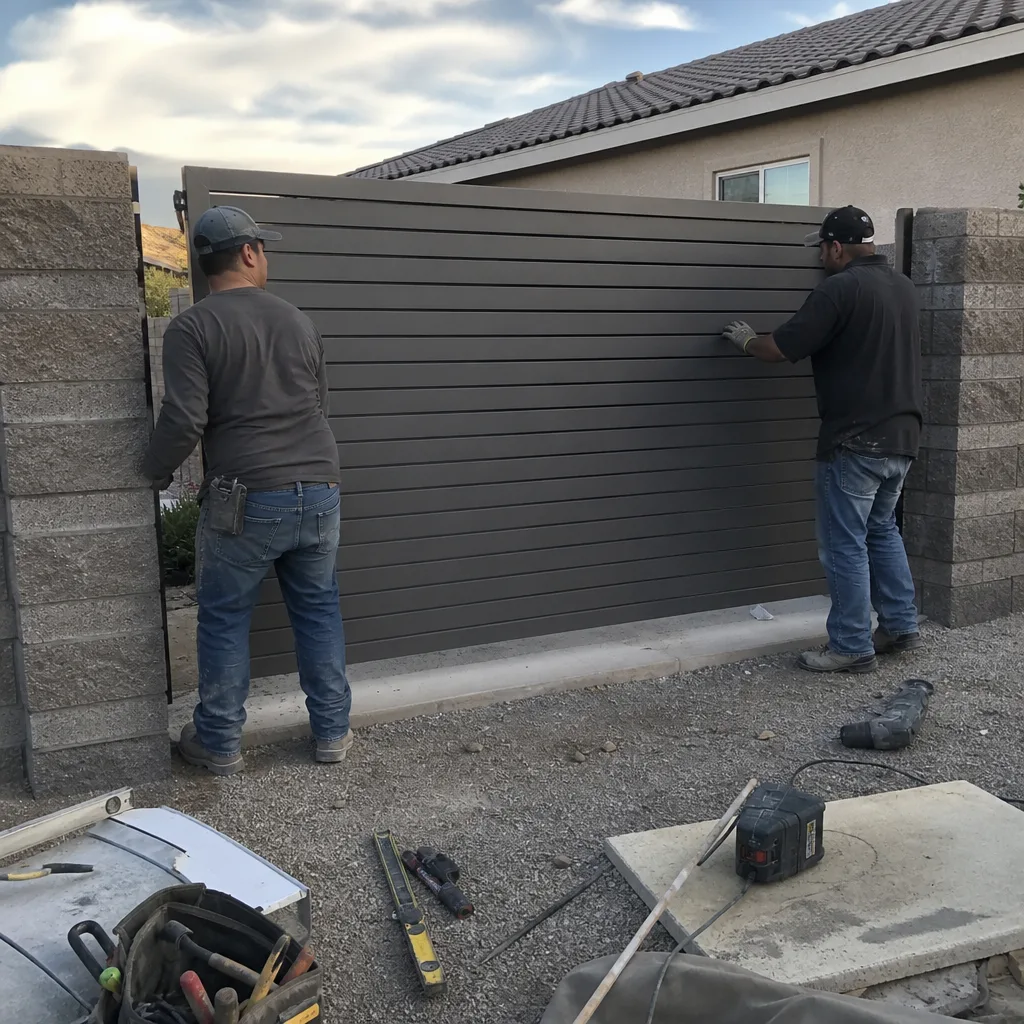
You don’t need to know how to rebuild an operator to confirm the work was completed. You need to watch and ask. Run through this after any gate repair:
- Cycle the gate at least ten times. Open and close it slowly, then at normal speed. Watch for hesitation, binding, or a change in the reversal point.
- Test the safety devices. Walk through the photo-eye beam while the gate is closing. It should reverse. Press the safety edge if you have one.
- Ask for the photo record. Confirm you have photos of the terminal block, limit-switch positions, and anything replaced.
- Check the manual release. With the operator disengaged, the gate should swing or slide by hand without excessive force. If it drags, the mechanical cause is still there.
- Confirm the written scope matches the invoice. Everything billed should be itemized on the original scope, and nothing should appear on the invoice that wasn’t on the scope.
- Note the date and part numbers. Keep the photo record and the written scope together. That’s the gate’s service history.
If any of those fail, call the company back before the promise window closes. A good company answers, and the 365-Day Done Right Promise means the repair gets made right at no additional charge for a full year.
Working With Whatever Motor Is Already on Your Gate
Homeowners often arrive at a gate repair with a motor brand already on the property, and they don’t want to be steered into a replacement just because it isn’t the brand a particular company prefers. We service nine major automation brands: LiftMaster, FAAC, BFT, Linear, Viking, Ghost Controls, DoorKing, Elite, and Mighty Mule. That range means the motor already on your gate is likely one we can diagnose and repair, rather than replace.
The reason this matters in Whitney specifically is that older gates tend to carry mixed hardware. A swing gate from fifteen years ago might have a FAAC arm and a control board that’s been swapped once. A sliding gate might run on a Linear operator with third-party photo-eyes. Understanding multiple platforms means the technician reads the system that’s actually on your property instead of comparing it to a single preferred brand. The Gate Motor & Opener in Whitney page covers motor and operator work in detail, including fault diagnosis across those platforms.
Common Mistakes to Avoid
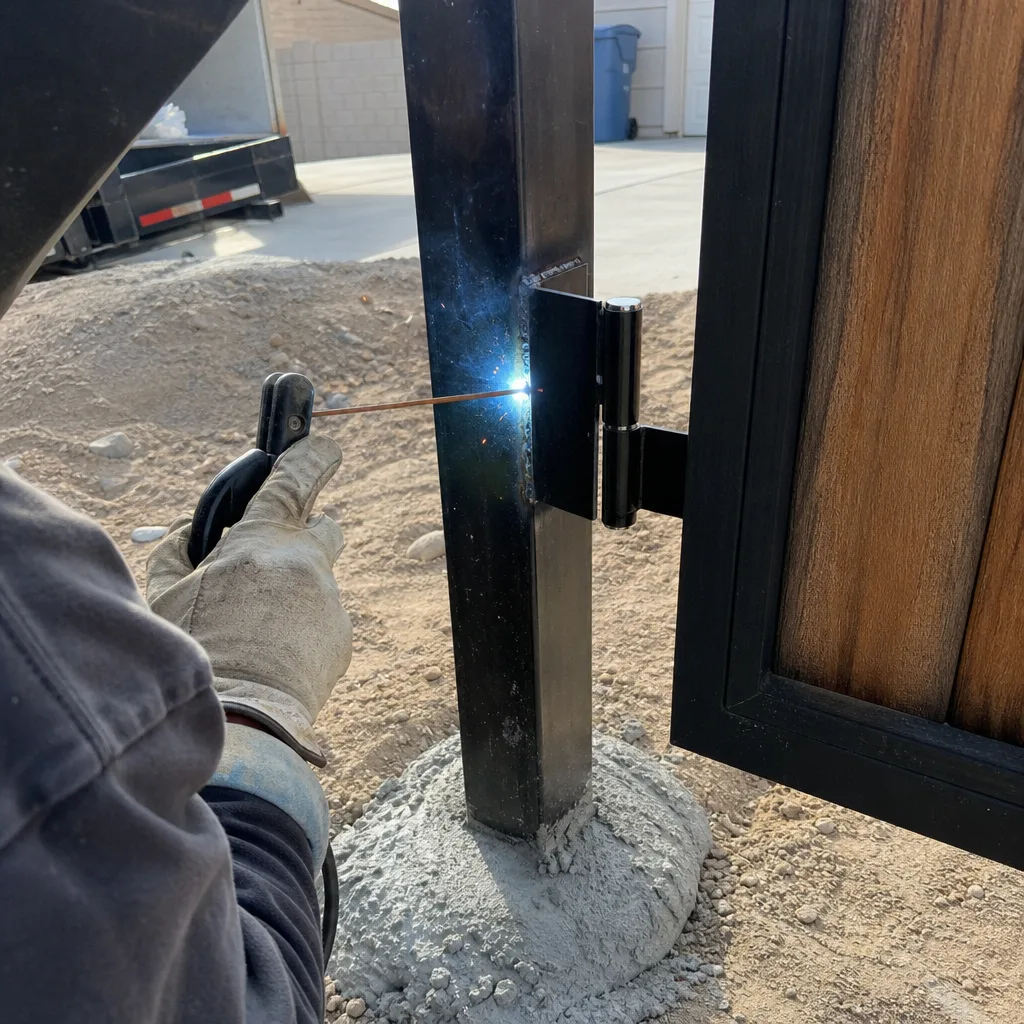
- Accepting a verbal estimate. A price described out loud has a way of becoming a different price on the invoice. Ask for it in writing, with the flat total, before work starts.
- Skipping the photo record because the gate “works now.” The gate working today tells you nothing about the next failure. The record is what protects you the next time.
- Patching a symptom instead of finding the root cause. If a control board keeps tripping, the board may not be the problem. The binding hinge or the extra current draw often is.
- Adding grease on top of old grease in Whitney heat. Old grease oxidizes and hardens in the summer sun. Fresh grease over dead grease accelerates wear. A full clean and repack is the correct service.
- Ignoring the sag. A gate that drags at the latch is loading the motor unevenly. Let it go, and you’ll wear out a gearbox that would have lasted years.
- Hiring a company that won’t work on your motor brand. If a company only services one platform, a repair on a different brand often becomes an upsell to replacement. Confirm they can work on what you have.
- Not reading the scope’s exclusions. If the scope doesn’t list what’s excluded (welding, power runs, concrete work), ask. An itemized scope prevents the surprise at the end.
When to Call a Professional
Some gate work is worth a call rather than a weekend project. High-tension springs, welding on a load-bearing gate frame, and any live electrical work in the operator enclosure are genuinely dangerous to handle without training, and the safe move is a professional. So is any gate that’s dragging heavily by hand, reversing unpredictably, or tripping a breaker. If the gate is on a commercial or shared driveway, the safety and liability picture is even clearer. Call when you’ve tried the manual release and the gate still won’t move, when a photo-eye test fails and you’ve confirmed the beam is clear, or when the same symptom has returned after a previous repair. Vance Gate Repair Whitney offers free estimates in Whitney, and we’ll put the price in writing before any work starts. A live person answers the phone around the clock. Call (844) 797-4861 for a free estimate.
Frequently Asked Questions
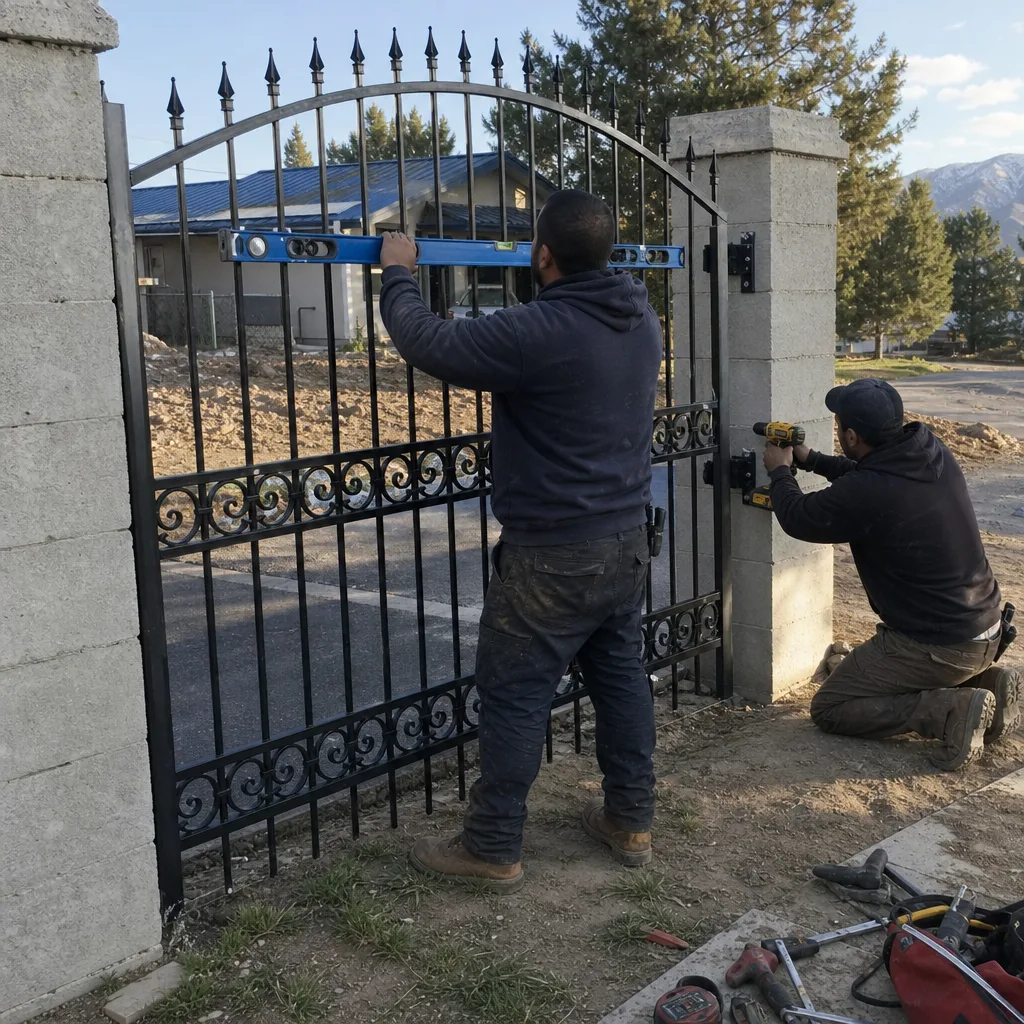
Most residential gate repairs in Whitney run between $185 and $650, depending on what fails. A limit-switch reset or a photo-eye realignment sits at the low end. A control-board replacement or an operator arm swap runs at the high end. You’ll get the exact number in writing before any tool comes out. Call (844) 797-4861 for an exact quote – estimates are free.
We offer same-day and 24/7 emergency availability on repairs, and a live person answers the phone at any hour, so the fastest path to an answer is a call right now. Have the gate’s current symptom ready: does it open and stop, reverse mid-travel, or not move at all? Call (844) 797-4861 and we’ll tell you what’s possible for today.
Repeated failures usually mean the earlier repair fixed a symptom, not the root cause. A control board that keeps tripping is often reacting to a binding hinge or high current draw, not a dead board. A photo record and current-draw reading from the last visit would tell you which. If you don’t have a record, a fresh diagnosis is the place to start.
Yes. A flat written price is handed over and agreed before any work begins. That covers parts and labor in one total, and nothing gets added afterward that wasn’t on the written scope. If a technician won’t put the scope in writing, decline the job and call someone who will. Call (844) 797-4861 for a written estimate.
We service nine major automation brands, including FAAC, BFT, Linear, and Viking, so the motor already on your gate is likely one we can repair rather than replace. That matters on older Whitney properties with mixed hardware. We’ll tell you what’s on your gate and what it needs. Call (844) 797-4861 to talk through it.
The 365-Day Done Right Promise covers it: if the repair isn’t right within one full year, we make it right at no additional charge, no argument. That’s on top of the photo record you’ll receive on the day of the repair. Save the record and the written scope together. Call (844) 797-4861 if anything starts acting up again.
The Bottom Line
The repair product isn’t just a working gate. It’s a working gate plus a documented record of what was found, what was adjusted, and what was installed. That record is what keeps a Whitney gate from failing twice, and it’s what makes the next service call a lookup instead of a search. Ask for the written scope, ask for the flat price, and ask for the photo record. Insist on all three before any work starts, and you’ll spend less over the life of the gate than the homeowner who let the first repair go undocumented. If you need a repair or want a second opinion on a quote you already have, the Gate Installation in Whitney team can review another company’s written estimate at no cost. Call (844) 797-4861 for a free estimate.
Written by the team at Vance Gate Repair Whitney.
See the difference
BeforeAfter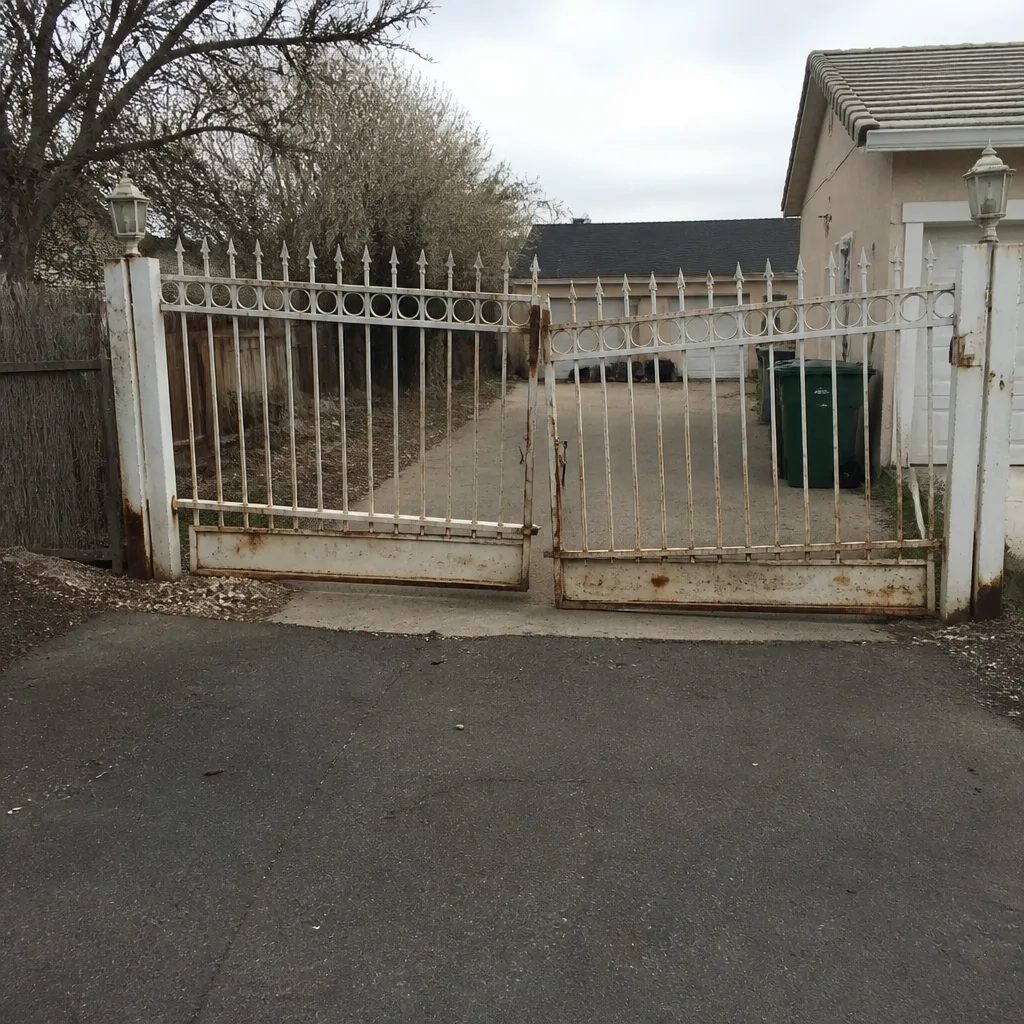 Before
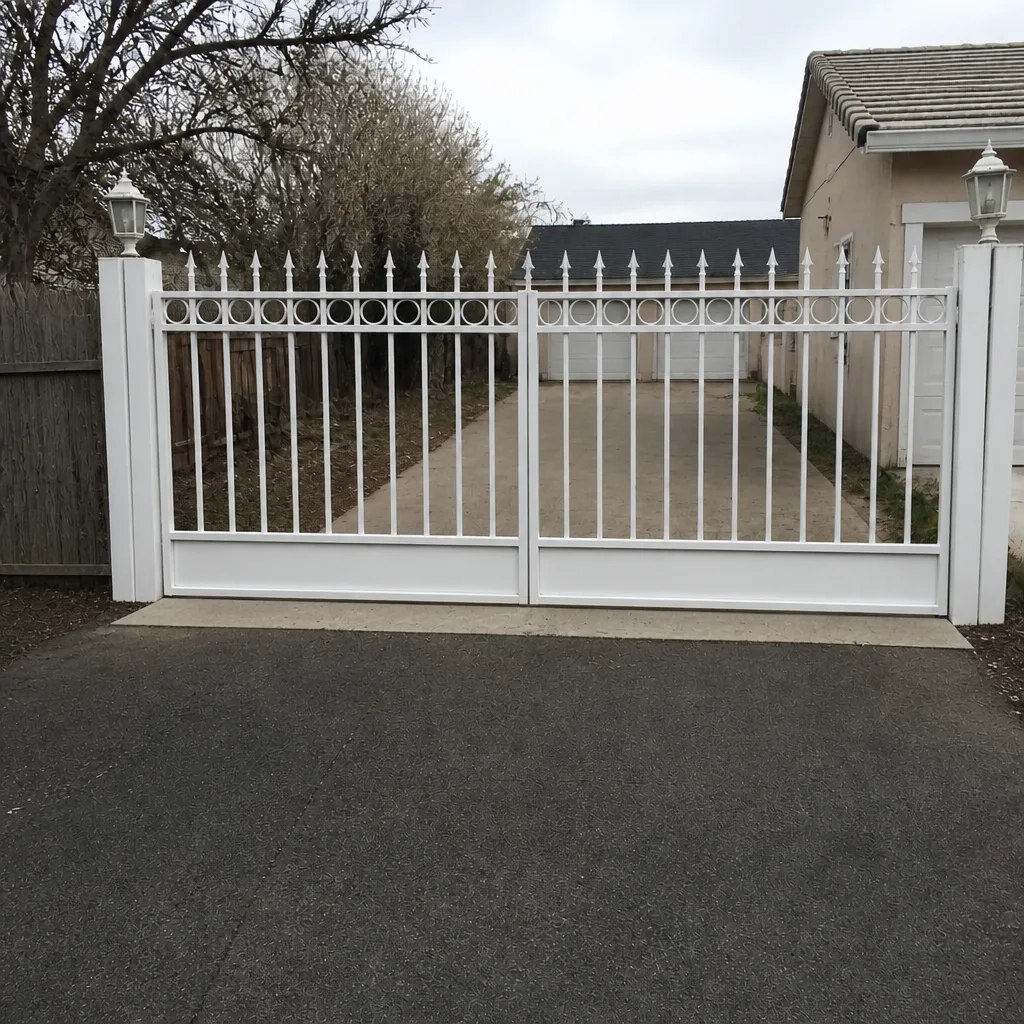 After
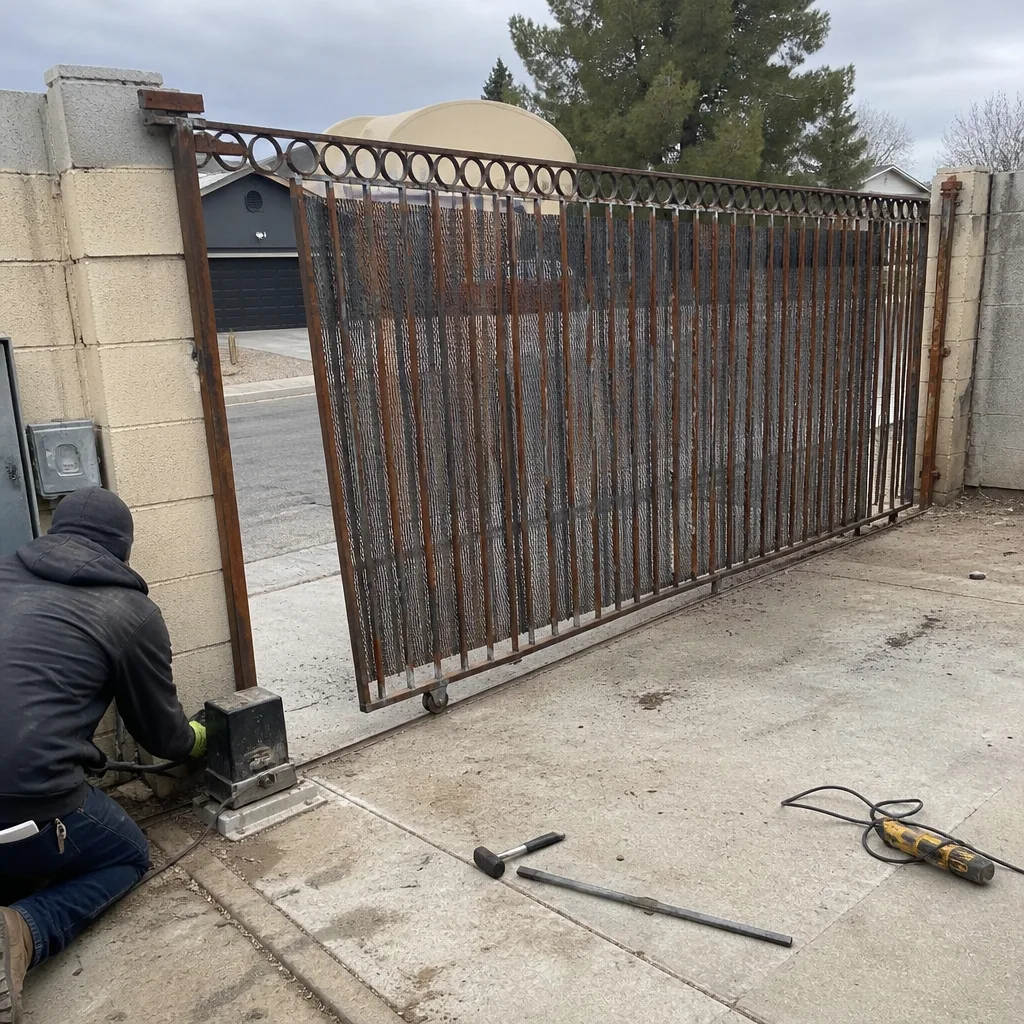 Before
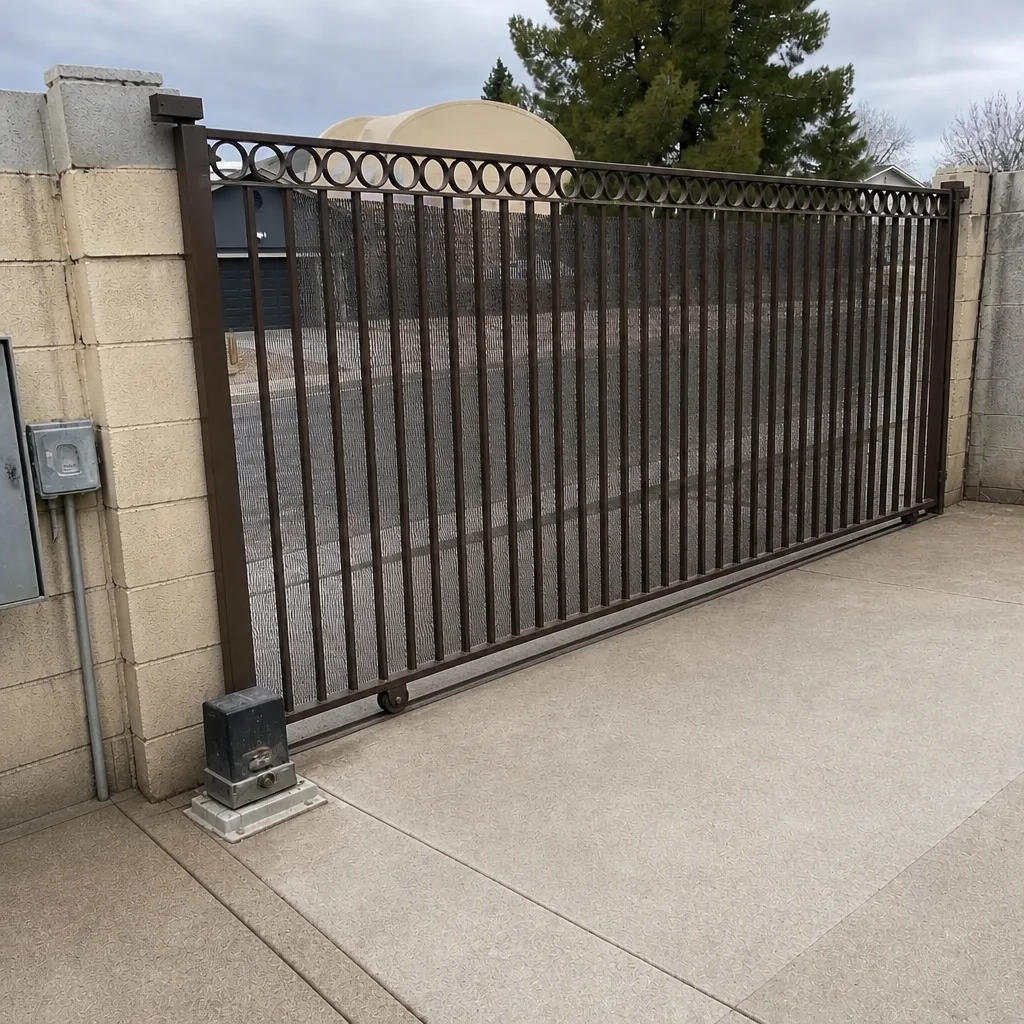 After