
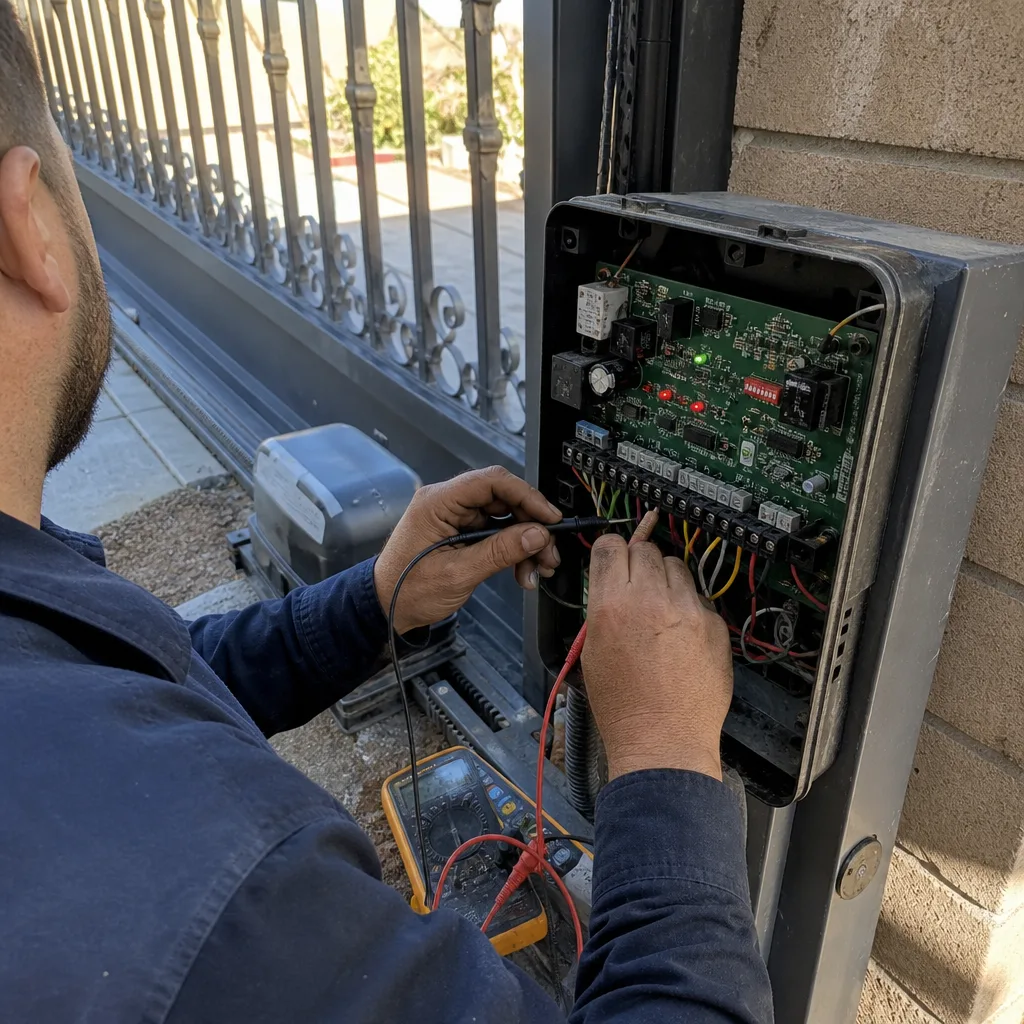
Last updated November 18, 2026
 Wrought iron
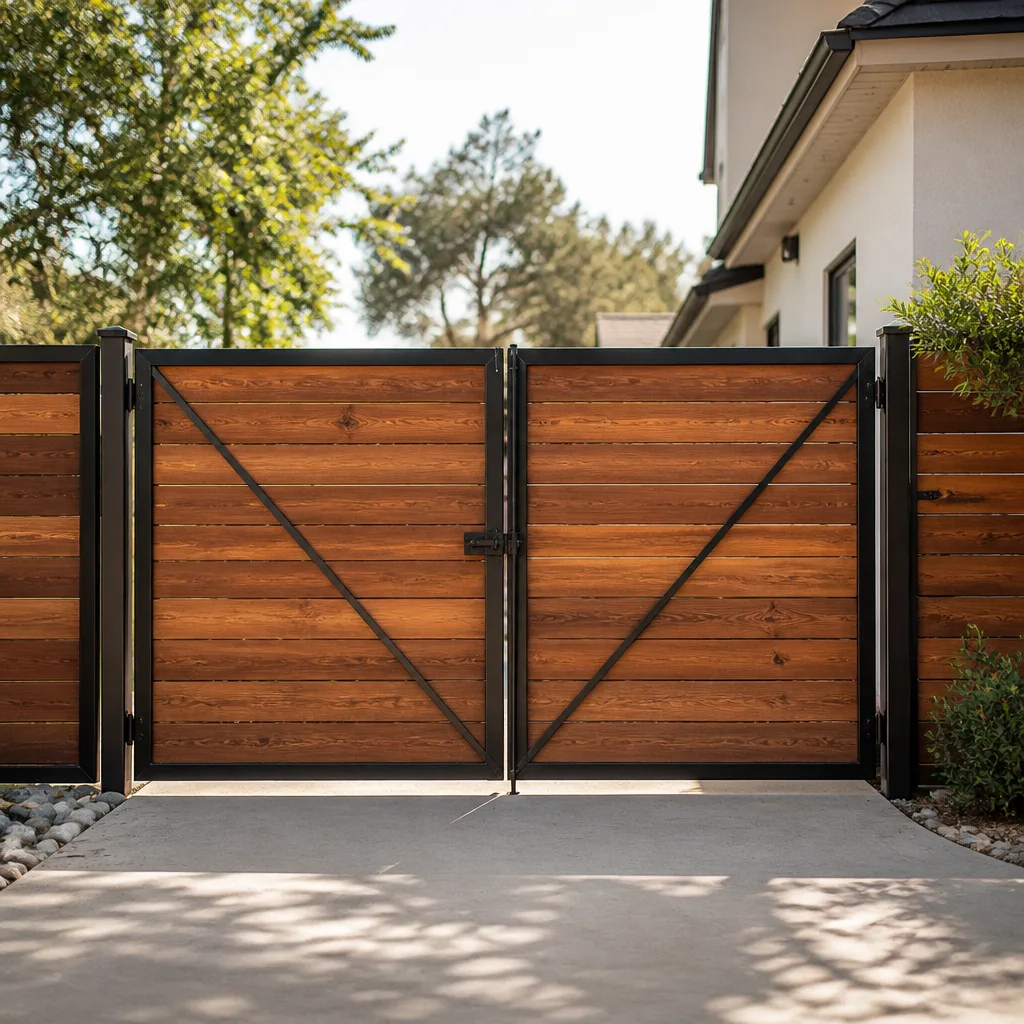 Wood & steel frame
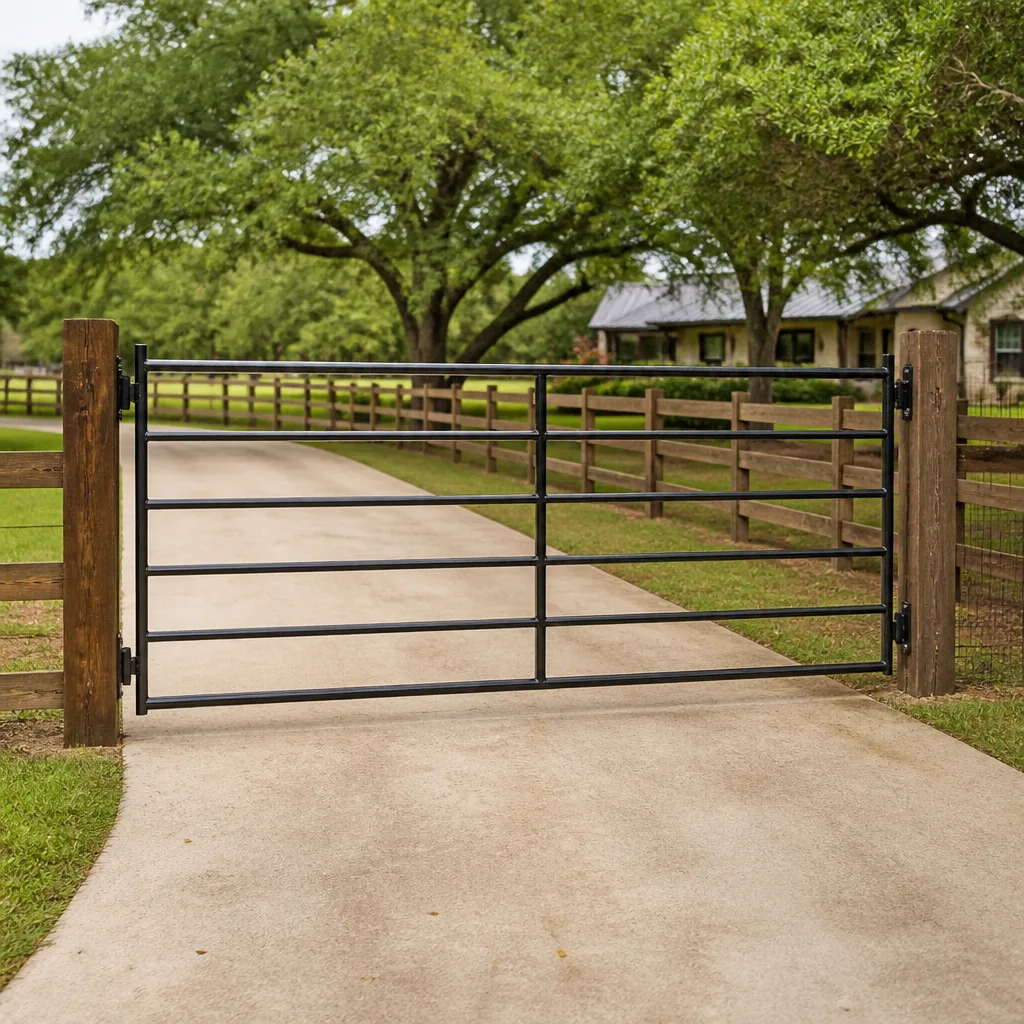 Farm & ranch
 Sliding driveway gates
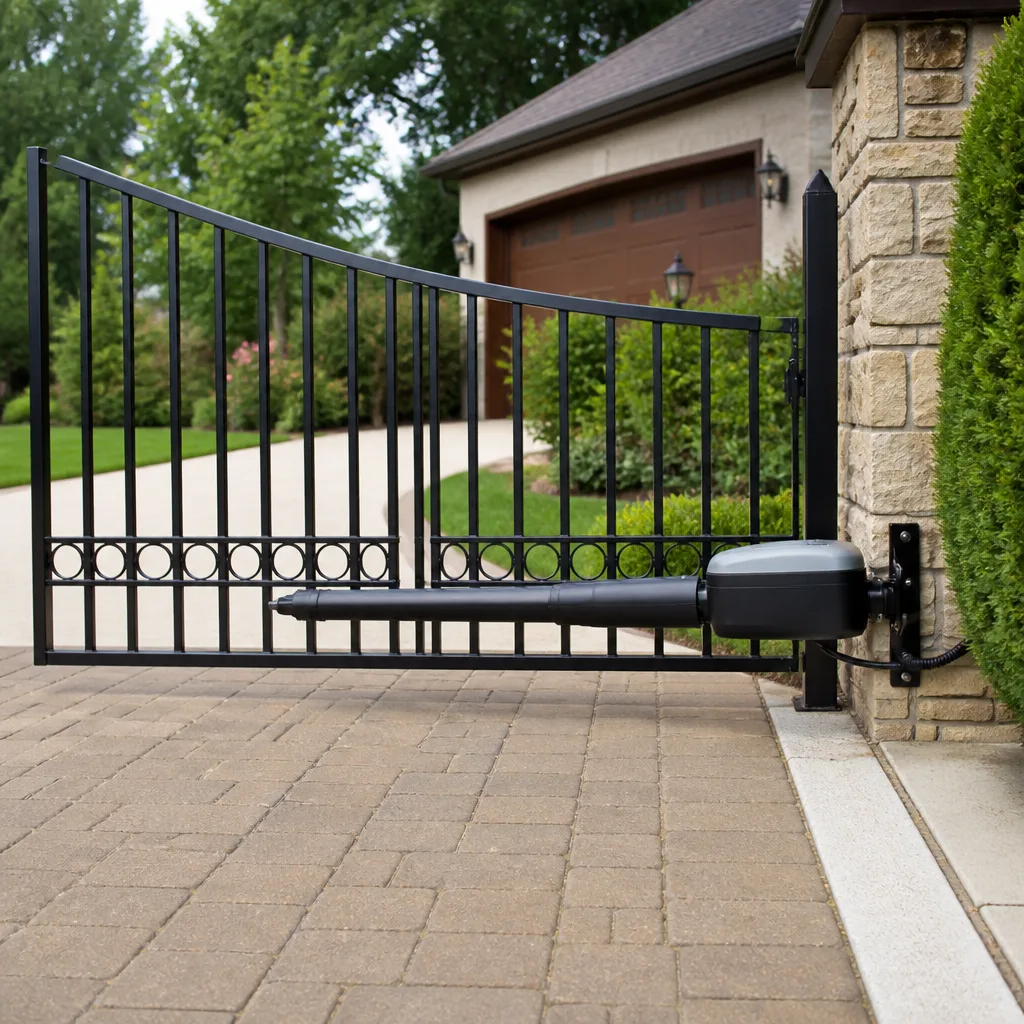 LiftMaster operators
Free on-site gate assessment - hinges, posts, and your LiftMaster or Nice gate operator checked before anything is quoted
The assessment is free and the quote is the invoice.
Get your free estimateGate Installation Maintenance Schedule: What to Do and When
The operator warranty on a new gate is a contract with conditions attached, and almost nobody reads them. Most gate automation manufacturers require documented maintenance at set intervals to keep coverage valid. Skip those service points and a failed control board or a seized gearbox becomes your invoice, not theirs. Worse, the installer who mounted the gate rarely mentions this at handoff. The maintenance clock starts the day the gate swings for the first time, whether anyone is tracking it or not. What follows is the schedule we use at Vance Gate Repair Whitney: the first-year checkpoints, the year-two-and-beyond tasks, and the desert-specific work that generic guides leave out entirely.
Quick Answer
A gate installation needs a maintenance visit at 90 days, six months, and twelve months, then every six to twelve months after that. The first-year visits protect your operator warranty and catch settling before it bends anything. The later visits decide whether the gate lasts eight years or twenty. In Whitney, add quarterly dust purges and an annual UV-rated sealant check, because sun and wind-driven grit do more damage here than in most of the country.
Styles & brands we work with
- Wrought iron
- Wood & steel frame
- Farm & ranch
- Sliding driveway gates
- LiftMaster operators
Table of Contents
- What the Operator Manufacturer Actually Requires to Keep Your Warranty Valid
- The 90-Day Post-Installation Checkpoints
- Year One: The Tasks That Protect Your Installation
- Year Two and Beyond: The Tasks That Determine Longevity
- The Two Desert Maintenance Tasks Every Generic Guide Omits
- How to Build a Maintenance Log From Installation Day Forward
- Common Mistakes to Avoid
- When to Call a Professional
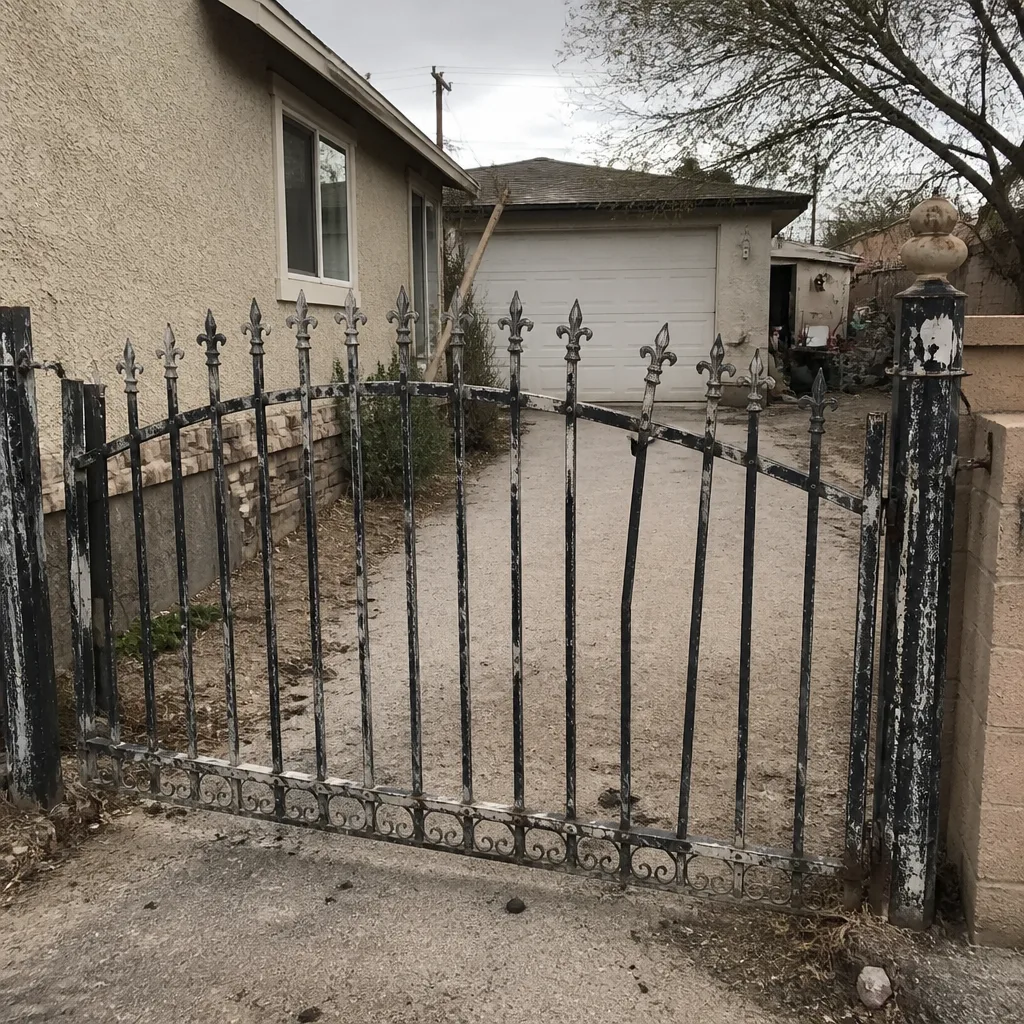 Before
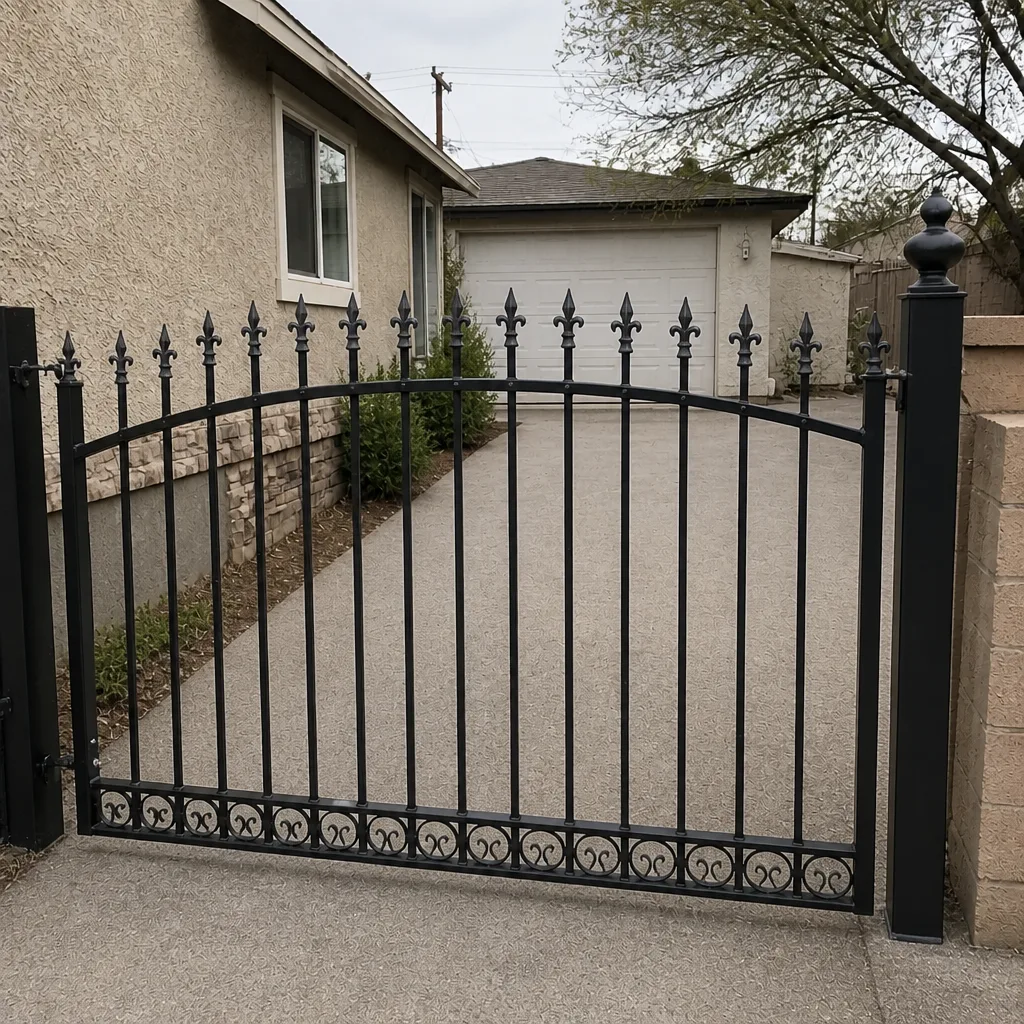 After
What the Operator Manufacturer Actually Requires to Keep Your Warranty Valid
Every major gate operator brand publishes a maintenance schedule in its installation manual, and every one of those manuals contains language that voids the warranty if the schedule isn’t followed. FAAC, BFT, Linear, Viking, and the other brands we service all work this way. The manual is usually handed over in a folder and never opened again.
The requirements are rarely exotic. They’re just specific, and they need to happen on record. Across the major brands, the recurring items look like this:
- Periodic inspection of the operator’s mechanical components (gearbox, drive arm, chain or belt tension) at manufacturer-set intervals, typically every six months for residential use.
- Battery replacement on battery-backup operators at the interval the manual specifies, usually every one to two years. A dead backup battery that’s never been serviced is a common warranty denial.
- Photo-eye and safety-edge function testing, logged as passed. If a safety device was never tested, the manufacturer has grounds to argue the failure was foreseeable.
- Proof of professional service in the form of an invoice, service log, or technician record showing the work was done when it was due.
That last item is the one that trips people up. Under the Haven Standard at Vance Gate Repair Whitney, every visit leaves a photo record and a written service note filed with the job. That paperwork isn’t decoration. It’s what you hand a manufacturer when a part fails in year two and they ask whether the operator was maintained.
One practical note: a new gate installation with a warranty card you’ve never filled out is a gate with no registered warranty at all. Dig the manual out, check the registration requirement, and get it on file in the first month.
The 90-Day Post-Installation Checkpoints
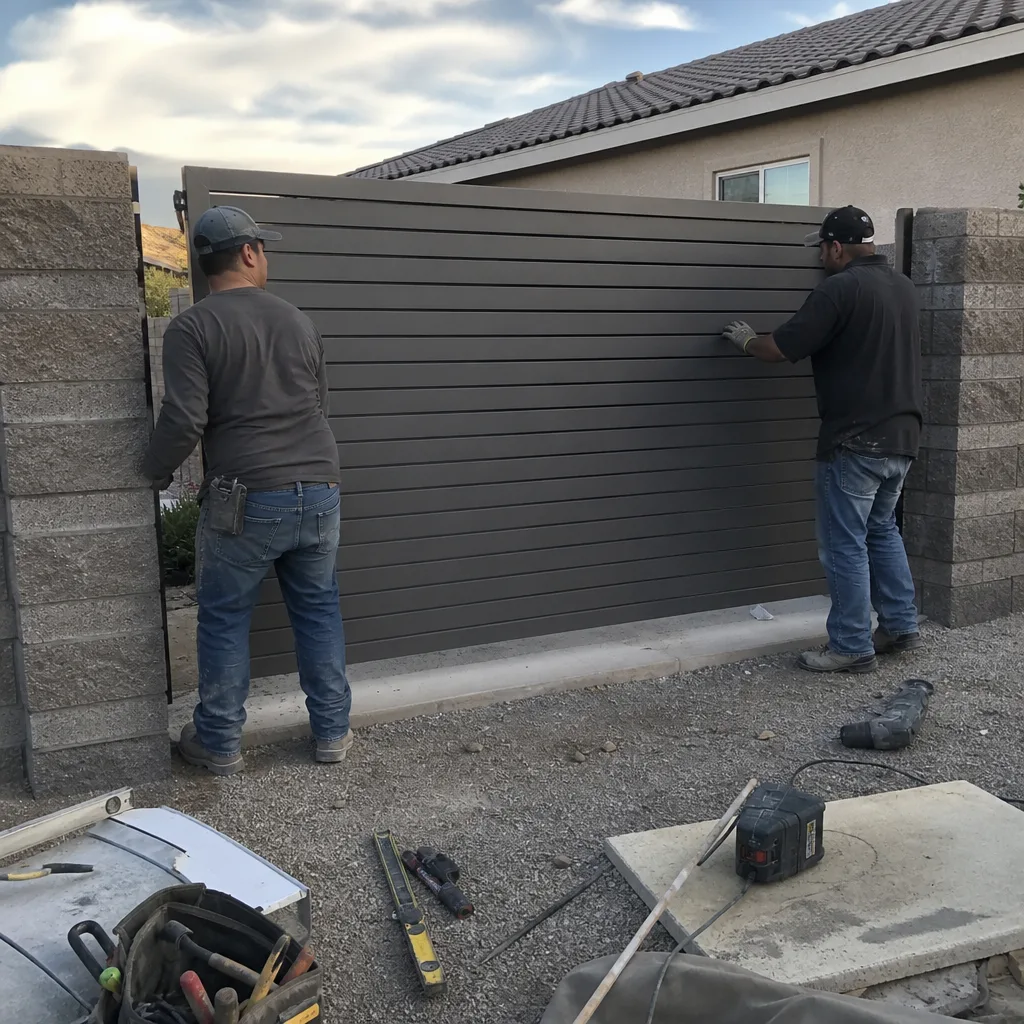
The first ninety days are when a new gate tells you what it’s going to do for the next decade. Concrete footings cure, hinge posts settle, and metal expands and contracts through its first full seasonal swing. Most installation problems show up in this window, and they show up as small adjustments that are cheap to make now and expensive to fix later.
At the 90-day mark, here’s what we check on a Whitney installation:
- Post plumb and footing integrity. A gate post that has shifted a quarter inch out of plumb puts the whole leaf in a bind. We measure it and photograph the reading.
- Hinge and pivot wear. New hinges seat themselves in the first weeks. We check for play and adjust or replace before the sag accelerates.
- Operator limit-switch position. The open and close travel limits drift slightly as hardware beds in. A limit switch set two degrees past travel will strain the motor every cycle.
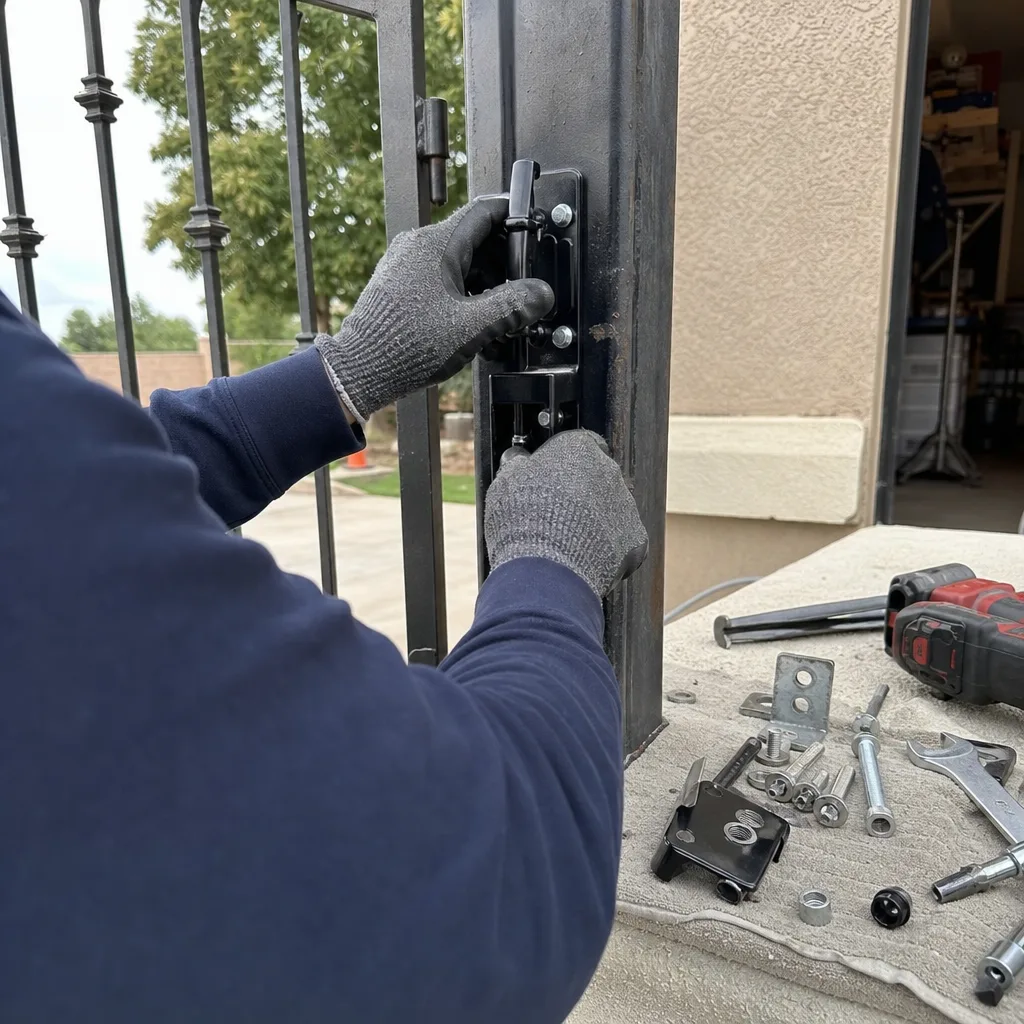
- Safety device function. Photo-eyes, safety edges, and the auto-reverse all get tested and logged. This is the single most important check for warranty purposes and the one homeowners can’t perform safely themselves.
- Fastener torque. Bolts on brackets, arms, and posts loosen as the assembly works. We torque to spec and photograph each one.
- Battery and control board diagnostics. We pull the fault log from the operator and note anything the controller recorded during those first ninety days.
If your installer didn’t schedule a 90-day visit, that’s not a red flag on the gate. It’s a gap in the handoff. Anyone who services FAAC or BFT operators can run these checks in a single visit. If you want the repair side of that work handled by a company that documents it, our gate repair service in Whitney covers exactly this kind of catch-it-early adjustment.
Year One: The Tasks That Protect Your Installation
Year-one maintenance has one job: protect the investment you just made and the warranty that came with it. The tasks are frequent but small. Think of this as the season where you’re confirming the installation was done right and the operator is settling in as expected.
A realistic year-one schedule, assuming a residential swing or slide gate in Whitney:
- Month 1: Register the operator warranty, file the manual and the installer’s paperwork, and photograph the gate from all four angles for your log.
- Month 3: The 90-day checkpoint above – posts, hinges, limits, safety devices, fasteners.
- Month 6: Lubricate hinges and the operator’s moving parts per the manual spec, re-check limit-switch position, test the battery backup under load, and clear the operator housing of dust.
- Month 9: A visual sweep. Look for new rust at weld joints, loosening bolts, or anything the gate is doing that it wasn’t doing at month six.
- Month 12: A full service visit: grease the operator gearbox if serviceable, test all safety devices, pull the control board fault log, and photograph the entire assembly.
Year one is also when you learn your gate’s normal. A slide gate on a Linear operator in Whitney will pick up grit in the track faster than the same gate in a wetter climate, and once you know how often it needs clearing, you can set the interval. By month twelve you should know every sound your gate makes. Anything new after that is a signal.
Year Two and Beyond: The Tasks That Determine Longevity
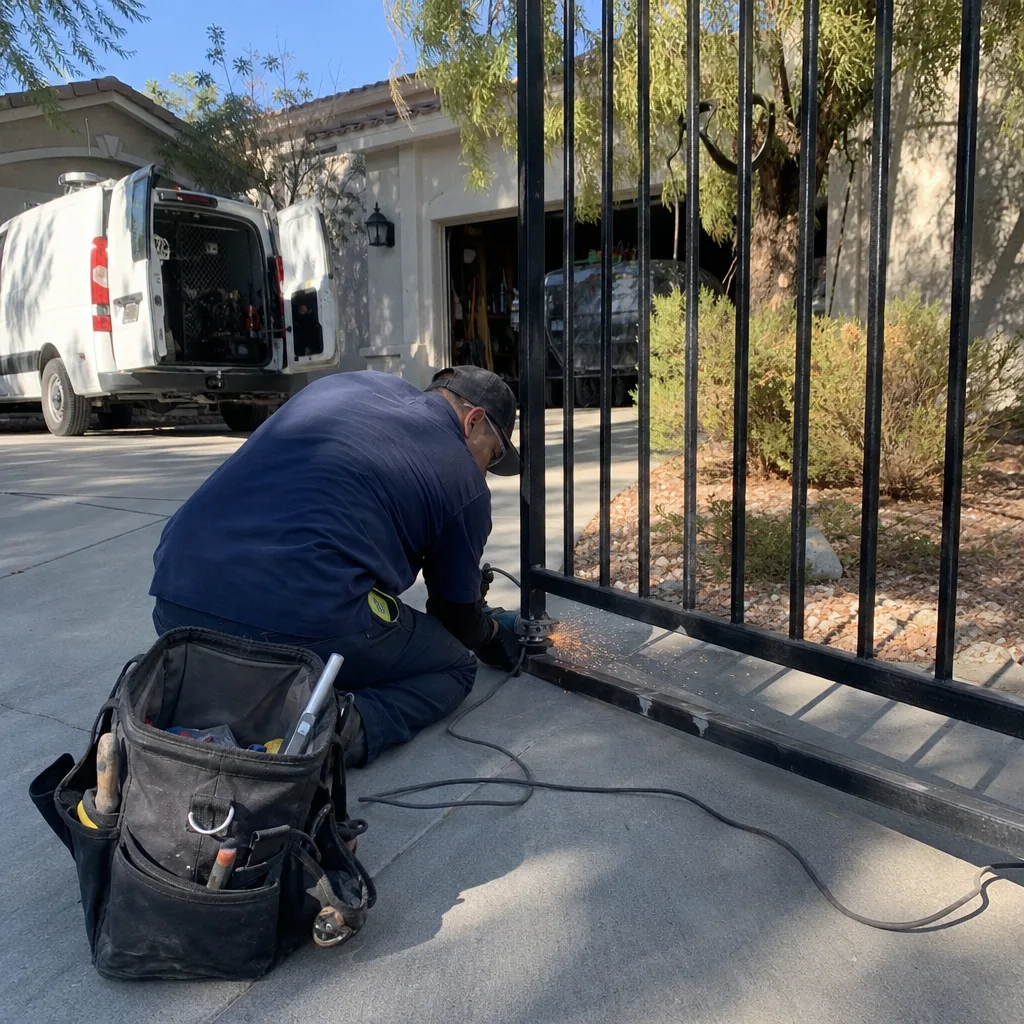
Here’s where the stakes shift. Year-one visits are about confirming the installation. Year two onward is where a gate either becomes a twenty-year asset or an eight-year replacement. The difference is rarely dramatic – it’s a hundred small maintenance decisions made or skipped.
The tasks change in character. They become less frequent and more consequential:
- Annual lubrication and gearbox service on the operator, per the manufacturer’s interval. Skipped grease is the number one cause of gearbox failure we see on gates that are otherwise well built.
- Battery replacement on battery-backup operators, typically every one to two years depending on the brand and how often the gate runs on backup.
- Full hinge and pivot replacement when wear reaches tolerance, usually somewhere in years three to seven for a gate in daily use. Replacing hinges on schedule is a fraction of the cost of replacing a post that sagged.
- Welded joint and frame inspection for stress cracks, especially at hinge plates and the operator mount. Catching a hairline crack in year four is a weld; catching it in year seven is a new gate leaf.
- Control board and safety-device testing at every service visit. The board is the most expensive single component on a residential operator, and a failing capacitor or a corroded terminal will take it out.
- Finish and paint touch-up at the first sign of rust. On a powder-coated gate in Whitney, spring is the time to catch it before summer heat and fall wind. If rust has moved past the surface, that’s when the gate installation and welding work in Whitney becomes relevant.
The general rule we give homeowners: after year two, the interval between service visits should never exceed twelve months, and six is safer on a gate that opens more than ten times a day.
The Two Desert Maintenance Tasks Every Generic Guide Omits
Every maintenance schedule published on a national site is written for a temperate climate. Whitney isn’t one. Driveway gates here live in a cycle of dry heat, wind-driven grit, and intense UV exposure, and two maintenance tasks that barely matter in most of the country are the ones that shorten a gate’s life fastest here.
Dust and grit purges. Fine dust gets into the operator housing, the gearbox vent, the slide gate track, and every hinge barrel on the gate. Every quarter, the operator housing needs to be opened and blown clear, the track swept and cleared, and the hinges cleared of grit before fresh lubrication goes on. Skip this and the grit turns the lubricant into an abrasive paste that grinds the hinges and the gearbox from the inside. In our experience, a slide gate in Whitney that hasn’t been purged four times a year will show track wear within eighteen months.
UV-rated sealant reapplication. The sun here breaks down standard sealants and finishes faster than most homeowners expect. Sun-exposed welded joints, hinge plate seams, and the operator mount bracket should be inspected annually and re-sealed with a UV-rated sealant wherever the original finish has thinned. This is what keeps moisture out of the joints during the monsoon rains and stops the rust cycle before it starts. One annual application in spring, before the hottest months, is the interval that works.
Both tasks are quick. Neither is in a generic maintenance schedule. And both are the difference between a Whitney gate that runs smoothly past year fifteen and one that needs major work at year eight.
How to Build a Maintenance Log From Installation Day Forward
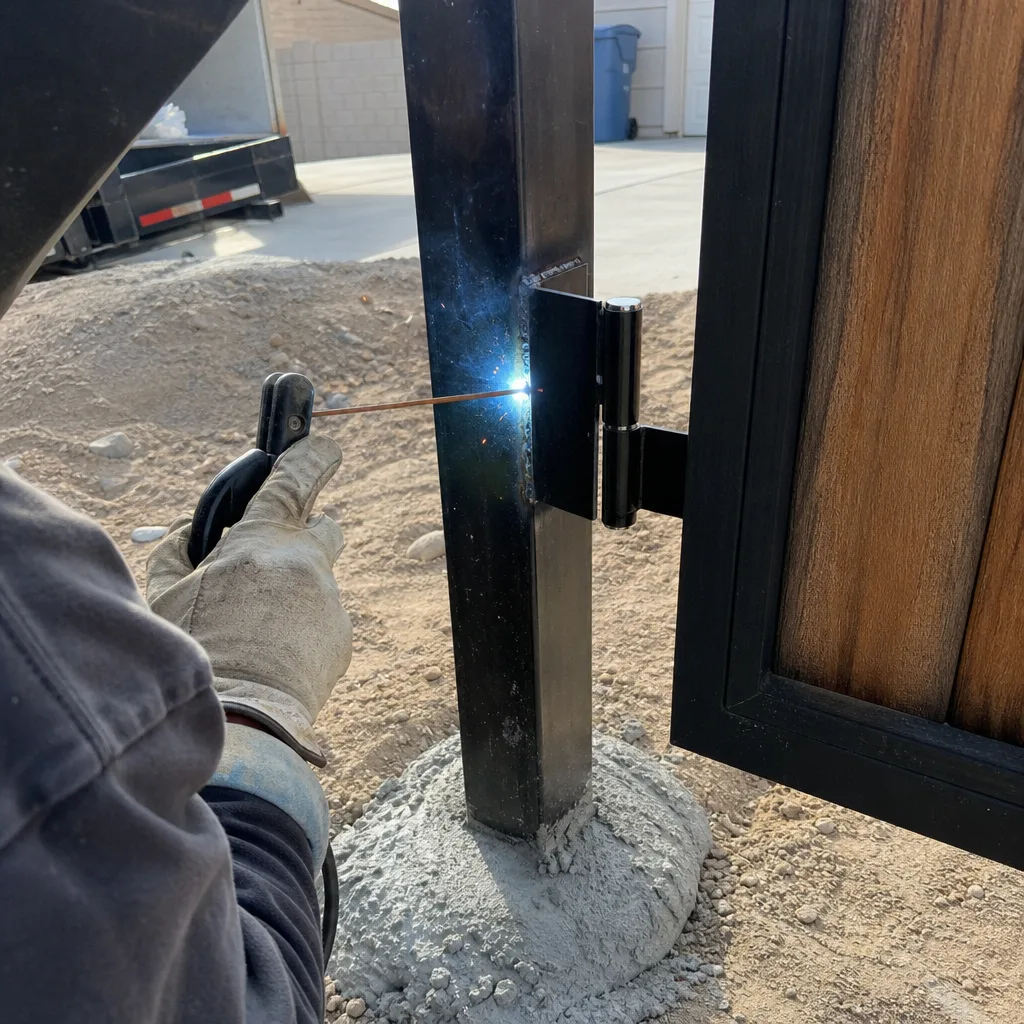
A gate without a service history is a gate every future technician has to diagnose from scratch. That’s expensive, and most of that expense lands on the homeowner. The fix is a maintenance log that starts on installation day and never stops.
Here’s how to build one that actually works:
- Create a single physical folder with the operator manual, the original installation paperwork, the warranty registration, and any service receipts. Physical is easier to hand a technician than a phone gallery.
- Photograph the gate on installation day from ten feet back, both sides, plus close-up shots of each hinge, the operator, and the control box. These become the baseline the gate gets compared against.
- Record every service visit with the date, who did the work, what they found, what they adjusted, and any part numbers. A written price before work and a photo record after should come standard from any reputable gate company; if your service provider doesn’t leave documentation, that’s a service you’re paying for twice.
- Log the out-of-cycle incidents – every stuck gate, every remote that stopped working, every time the photo-eye needed realignment. These are the pattern clues that let a technician find a root cause instead of a symptom.
- Note the brand and model number of the operator in plain view on the front of the folder. When something fails, you can tell a technician what they’re walking into.
That log is worth more than the individual maintenance visits. When a gate changes hands, or a new technician takes over, or a warranty claim needs proof, the folder answers questions that a verbal handoff never could. It’s the same principle behind the Vance Gate Repair Whitney home base: leave a record on every visit so nobody has to rediscover the same problem.
Common Mistakes to Avoid
- Treating installation day as the finish line. The installer’s job ends, but the maintenance clock starts the moment the gate first moves. Waiting a year for the first service visit skips every checkpoint that catches settling.
- Never reading the operator manual. The warranty conditions are usually on page two or three. In Whitney, we’ve seen homeowners void a two-year-old warranty on a FAAC operator because the battery backup interval was never followed.
- Letting the first-year visits slide because the gate “feels fine.” A gate that feels fine at month four is telling you nothing about the hinge wear at month eighteen. The whole point of the early visits is that the gate doesn’t feel wrong yet.
- Using a standard lubricant instead of the spec. The wrong grease on a roller chain or a gearbox in desert heat turns to varnish. Use what the manual specifies, and purge the dust first.
- Forgetting the UV sealant because it looks fine. Standard sealant looks fine right up until the monsoon rain finds the hairline gap in a weld you couldn’t see. UV-rated sealant on an annual spring schedule is the cheapest insurance on the gate.
- Running a heavily used gate on an annual cycle that’s too sparse. A gate opening ten or twenty times a day needs a six-month service interval, not twelve. Count the cycles, not the calendar alone.
- Not having a written record of who did what. A verbal handoff from the installer is gone the moment they drive away. If the pricing wasn’t written before the work and the service record wasn’t left after, you have nothing to show a manufacturer at claim time.
When to Call a Professional
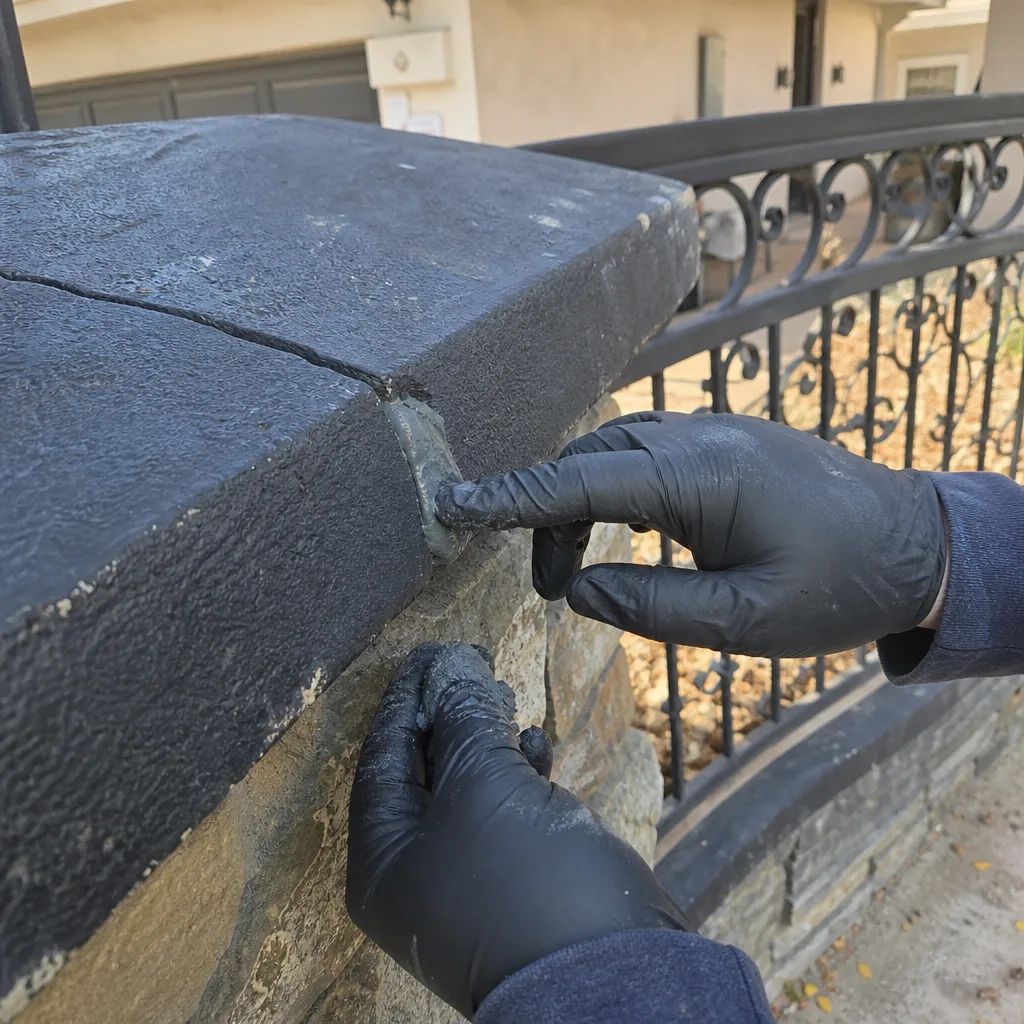
Some maintenance is safe for a homeowner to handle: sweeping grit from the track, clearing leaves from the operator housing, visual rust checks. Anything involving the operator’s internal parts, the safety devices, the control board, or the high-tension components of the gate itself should be left to a trained technician. A photo-eye that’s been misaligned by two inches during a DIY realignment is a real hazard, and a safety edge that isn’t wired correctly won’t stop the gate when it needs to.
Call a professional when a gate starts moving unevenly, when a safety device tests as failed, when the operator throws a fault code, when a hinge shows visible play, or when a service interval comes due and you don’t have records of it being done. Our gate motor and opener service in Whitney handles all nine major automation brands we work on, so we can service whatever motor is already on your property rather than pushing a replacement.
Vance Gate Repair Whitney offers free estimates in Whitney – call (844) 797-4861. A live person answers at any hour, and if you have a written estimate from another company, we’ll review it at no cost before you commit to anything.
Frequently Asked Questions
A new gate needs a service visit at 90 days, six months, and twelve months, then every six to twelve months after that. The first-year visits catch settling and initial wear before they turn into structural problems, and the later visits keep the operator and hinges inside their warranty conditions. If your gate opens more than ten times a day, the six-month interval is the one to keep.
Yes, on most major brands. FAAC, BFT, Linear, Viking, and the others publish maintenance intervals in the manual, and warranty terms that require those intervals to be followed are standard. The manufacturer’s argument is straightforward: if the operator was never serviced, the failure is on you. Keeping a written service record with dates and part numbers is what protects the claim.
Two tasks: quarterly dust and grit purges of the operator housing, slide track, and hinges, and annual reapplication of UV-rated sealant on sun-exposed welds and seams. Whitney’s dust and sun do more damage to moving parts than most of the country’s maintenance schedules account for, and those two additions are the ones that decide whether the gate reaches year fifteen. Call (844) 797-4861 and we’ll walk you through what a maintenance visit covers in Whitney.
Some of it, yes. Sweeping the track, clearing leaves, and visual inspections are safe for a homeowner and count toward the record if you log them. Operator internals, safety-device testing, limit-switch adjustment, and anything touching the control board should be done by a trained technician, and most manufacturers require proof of professional service at the specified intervals. The safe rule is: log what you can do safely, and have a professional handle everything that involves high-tension components or electrical wiring.
A maintenance log should include the date of every service, who performed it, what was found, what was adjusted or replaced, and any part numbers installed. Add photographs from installation day as a baseline, the operator brand and model number, and every out-of-cycle incident. A written record is far more useful than a verbal recollection when a warranty claim or a change of technician comes up.
A gate that hasn’t been serviced in two or more years needs a full inspection before any use, not a routine service. Hinge wear, gearbox condition, safety device function, and post plumb all need to be checked, and the control board fault log pulled. In Whitney, a gate that’s gone years without a dust purge will usually show track or gearbox wear that changes the scope of the work. Call to schedule an inspection before running the gate again.
The Bottom Line
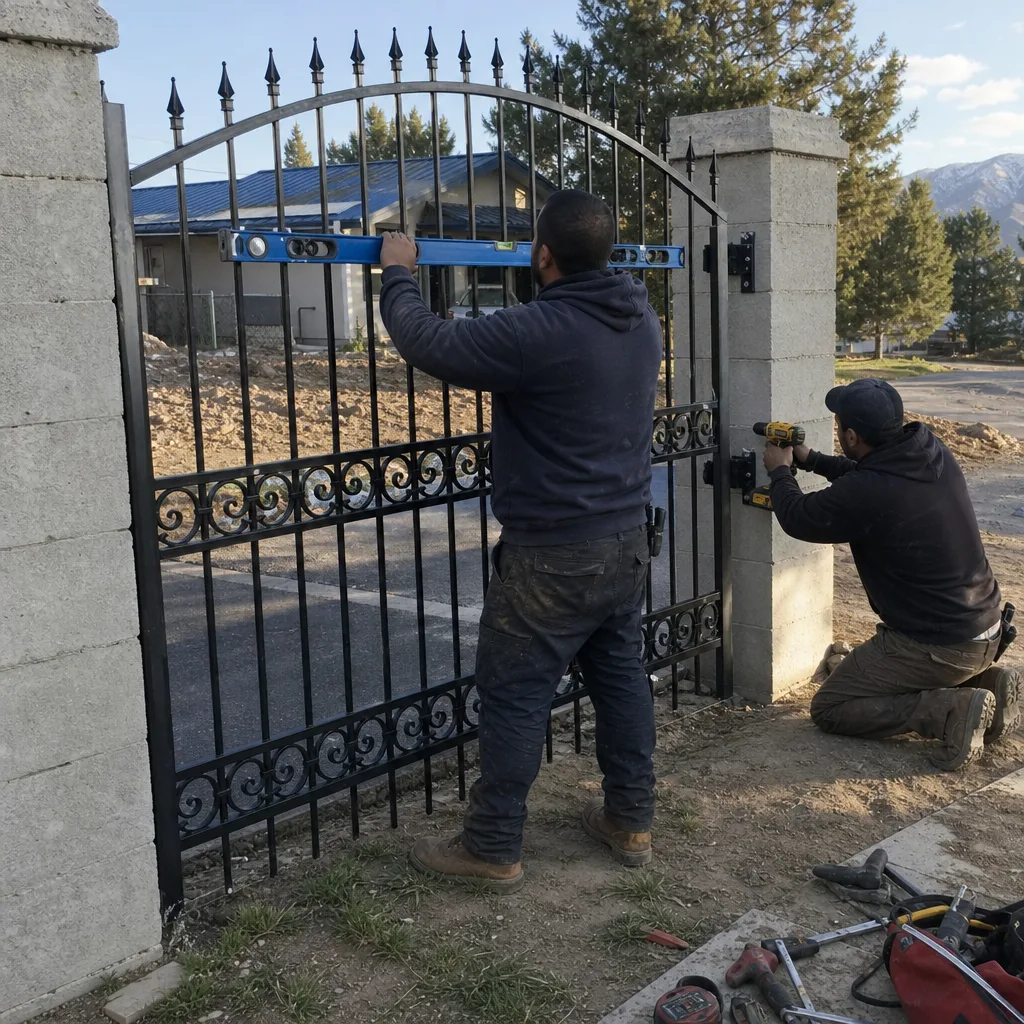
A new gate starts a maintenance clock on installation day, whether anyone is tracking it or not. The first ninety days are for catching settling. The first year is for protecting the warranty and learning your gate’s normal. After that, it’s about the small, scheduled decisions that keep a gate running past year fifteen instead of failing at year eight. In Whitney, add quarterly dust purges and an annual UV-rated sealant application – the two tasks most guides leave out and the two that matter most here. Build the log, keep the records, and any technician inheriting the gate starts from facts instead of guesses.
Call Vance Gate Repair Whitney at (844) 797-4861 for a free estimate. The price is written and agreed before any work starts, every visit leaves a photo record, and the 365-Day Done Right Promise covers any repair we make.
Written by the team at Vance Gate Repair Whitney.
See the difference
BeforeAfter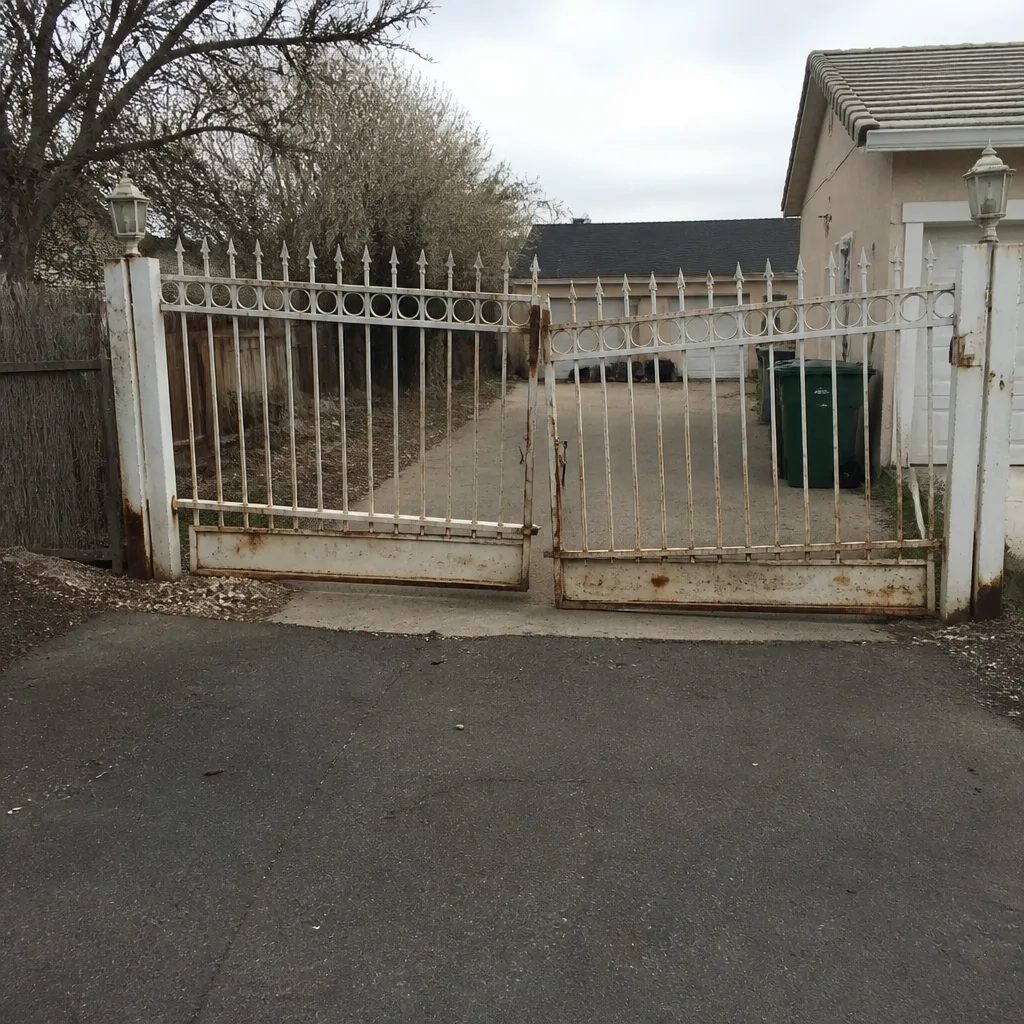 Before
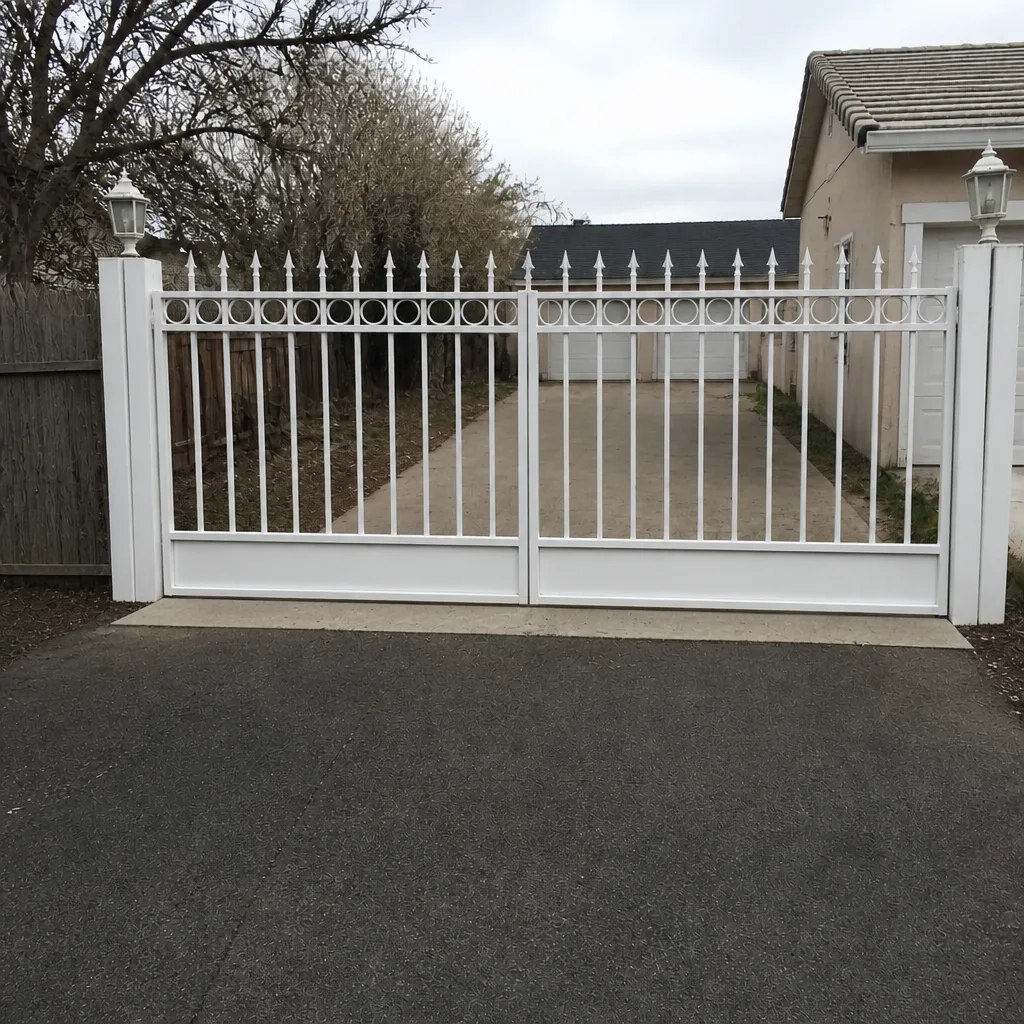 After
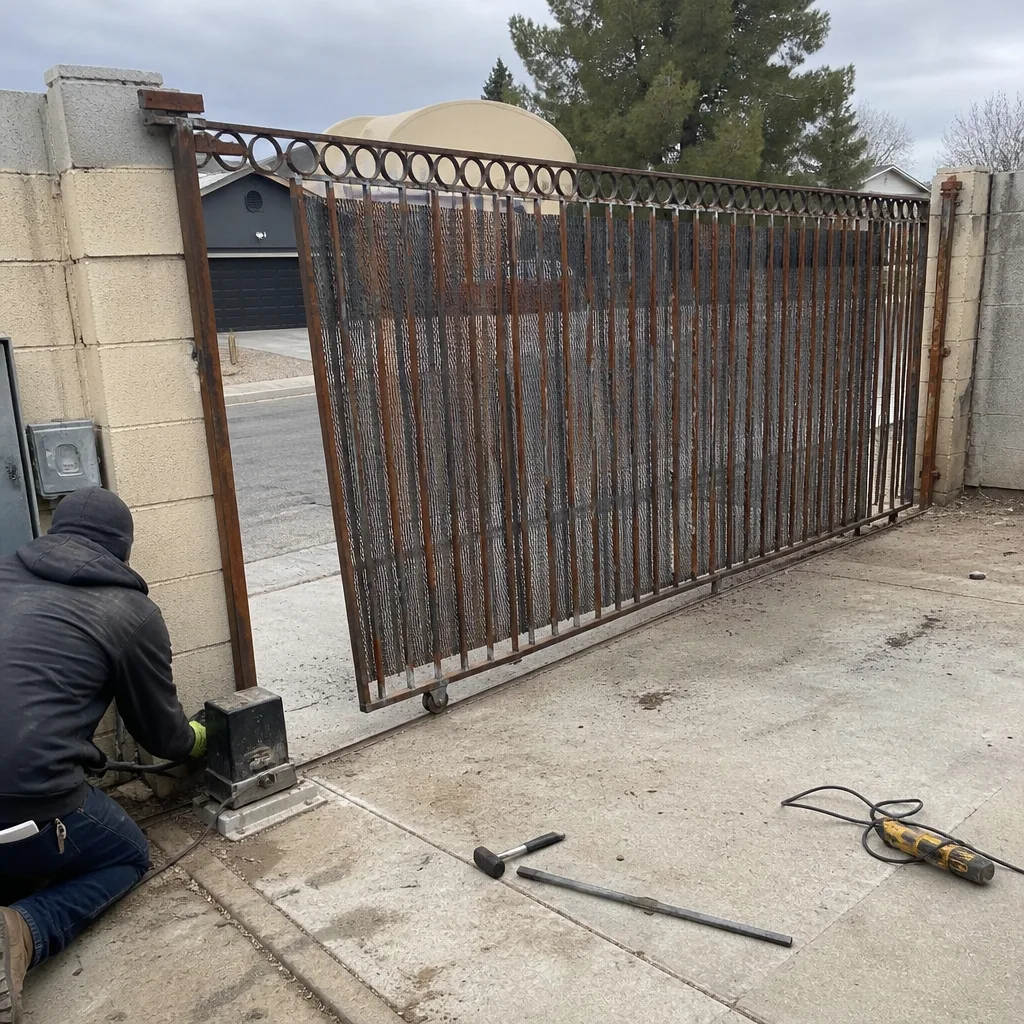 Before
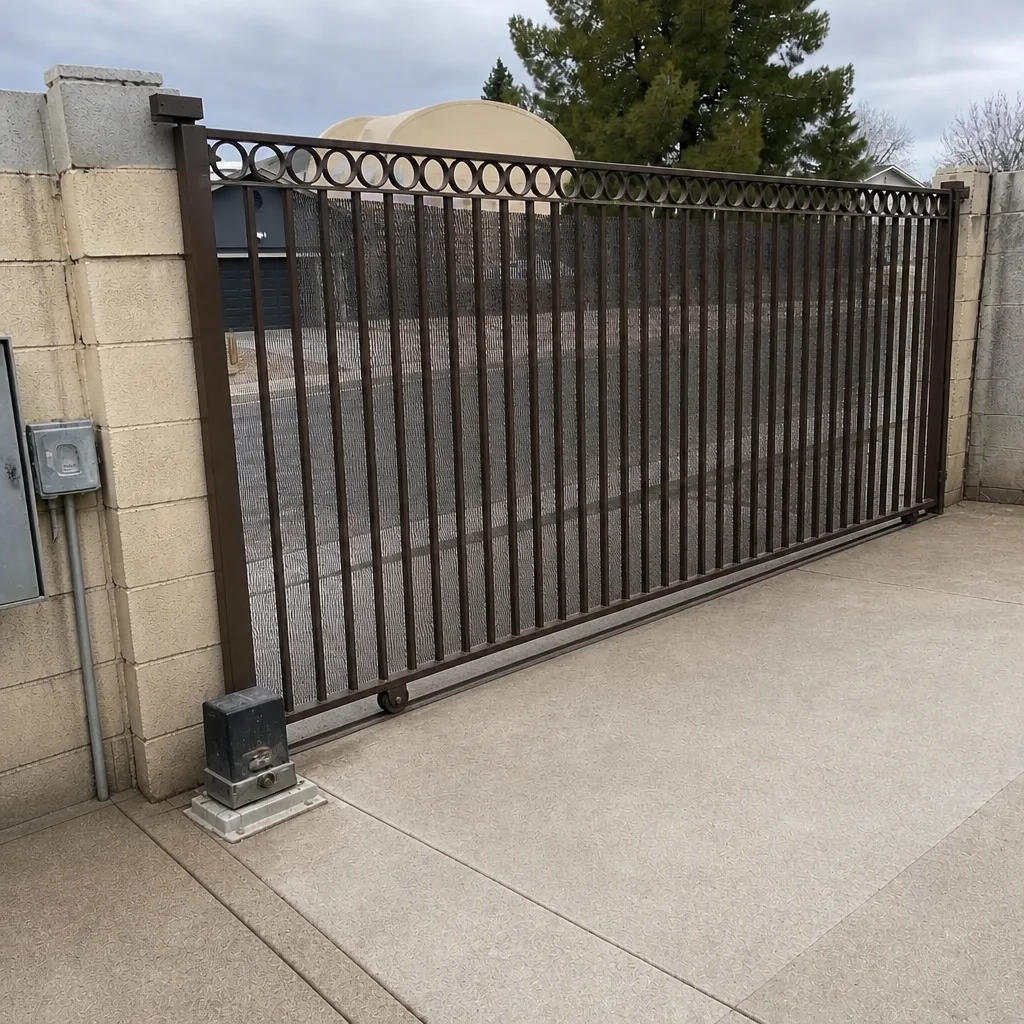 After