
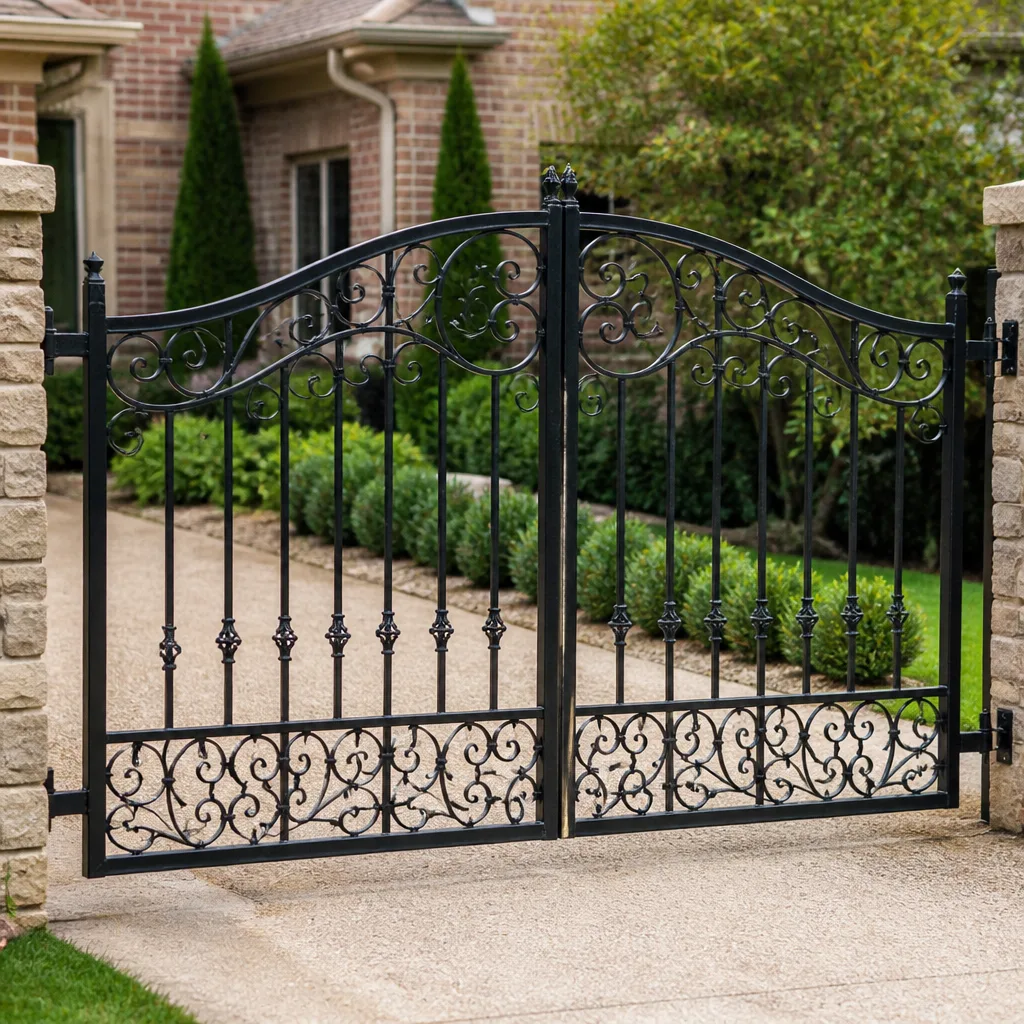
 Wrought iron
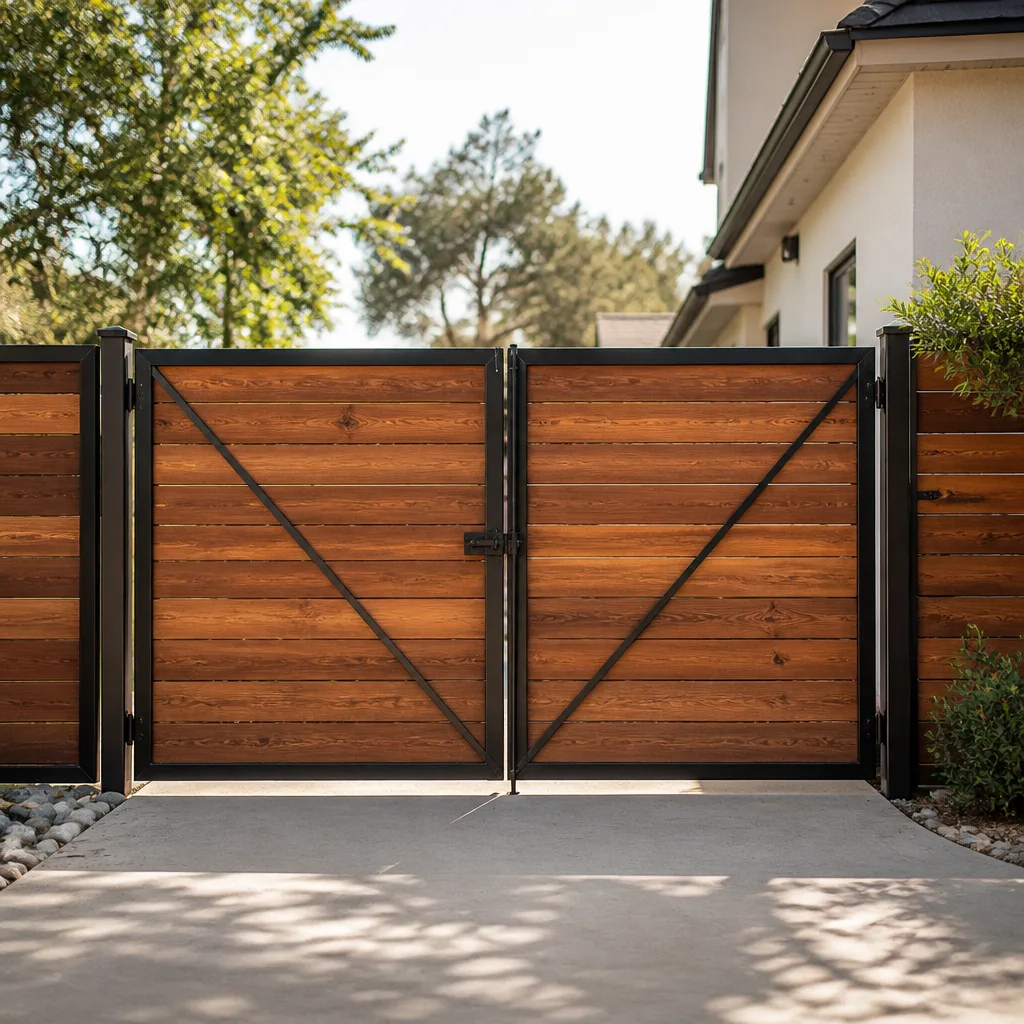 Wood & steel frame
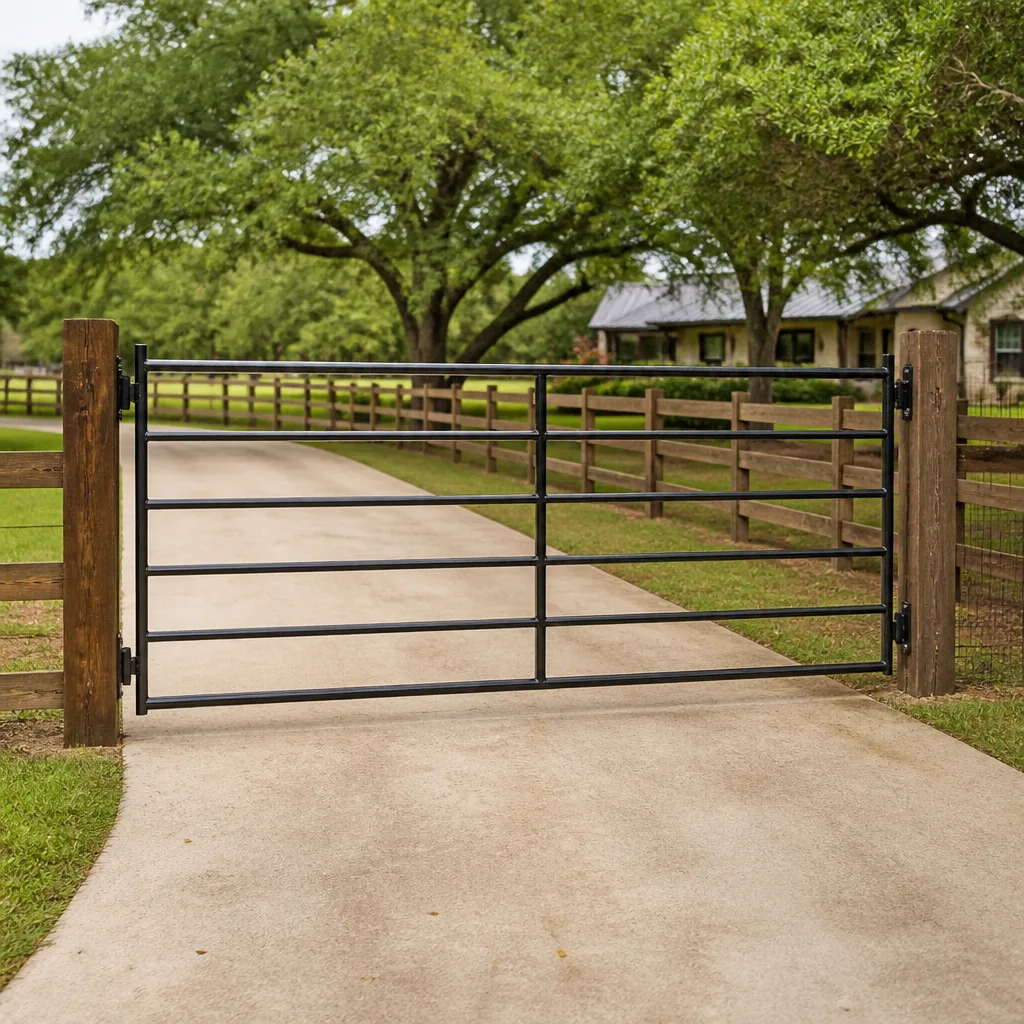 Farm & ranch
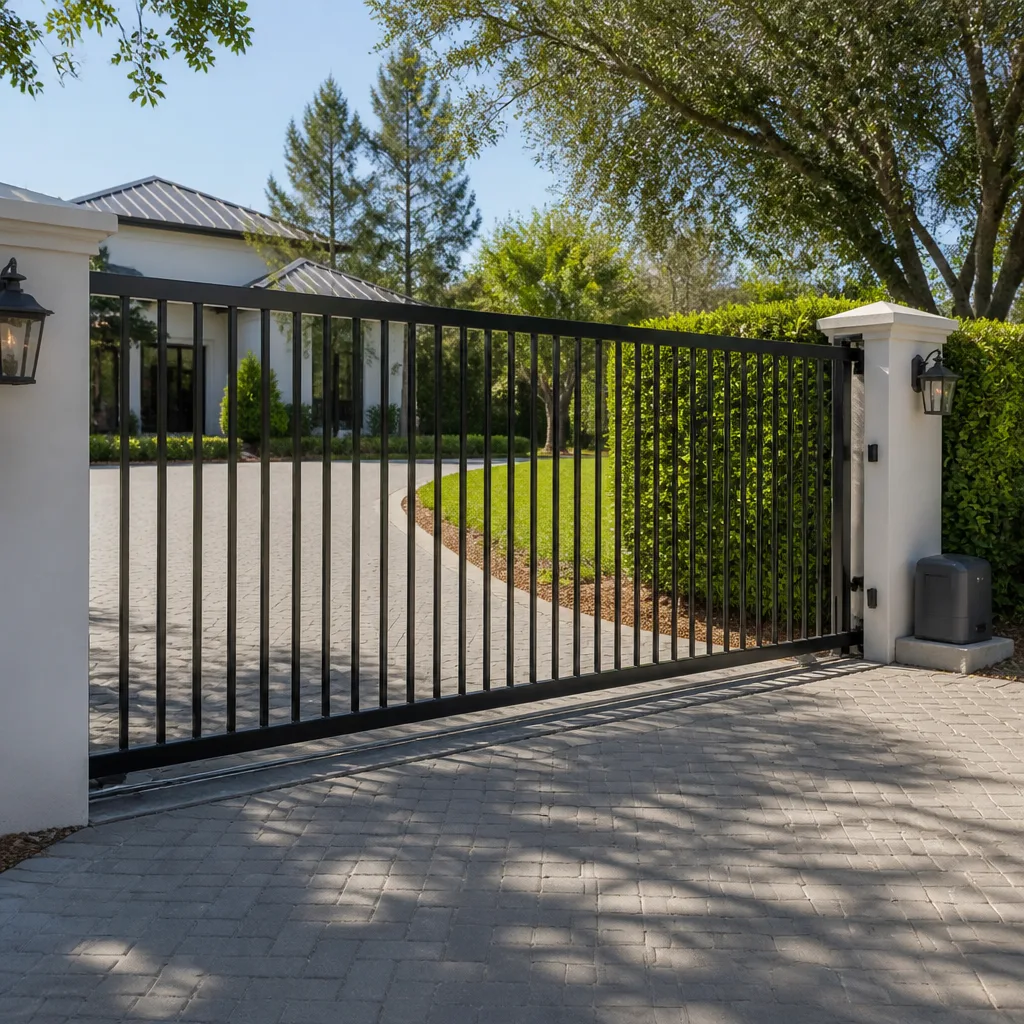 Sliding driveway gates
 LiftMaster operators
Free on-site gate assessment - hinges, posts, and your LiftMaster or Nice gate operator checked before anything is quoted
The assessment is free and the quote is the invoice.
Get your free estimateStyles & brands we work with
- Wrought iron
- Wood & steel frame
- Farm & ranch
- Sliding driveway gates
- LiftMaster operators
See the difference
 Before
 After
 Before
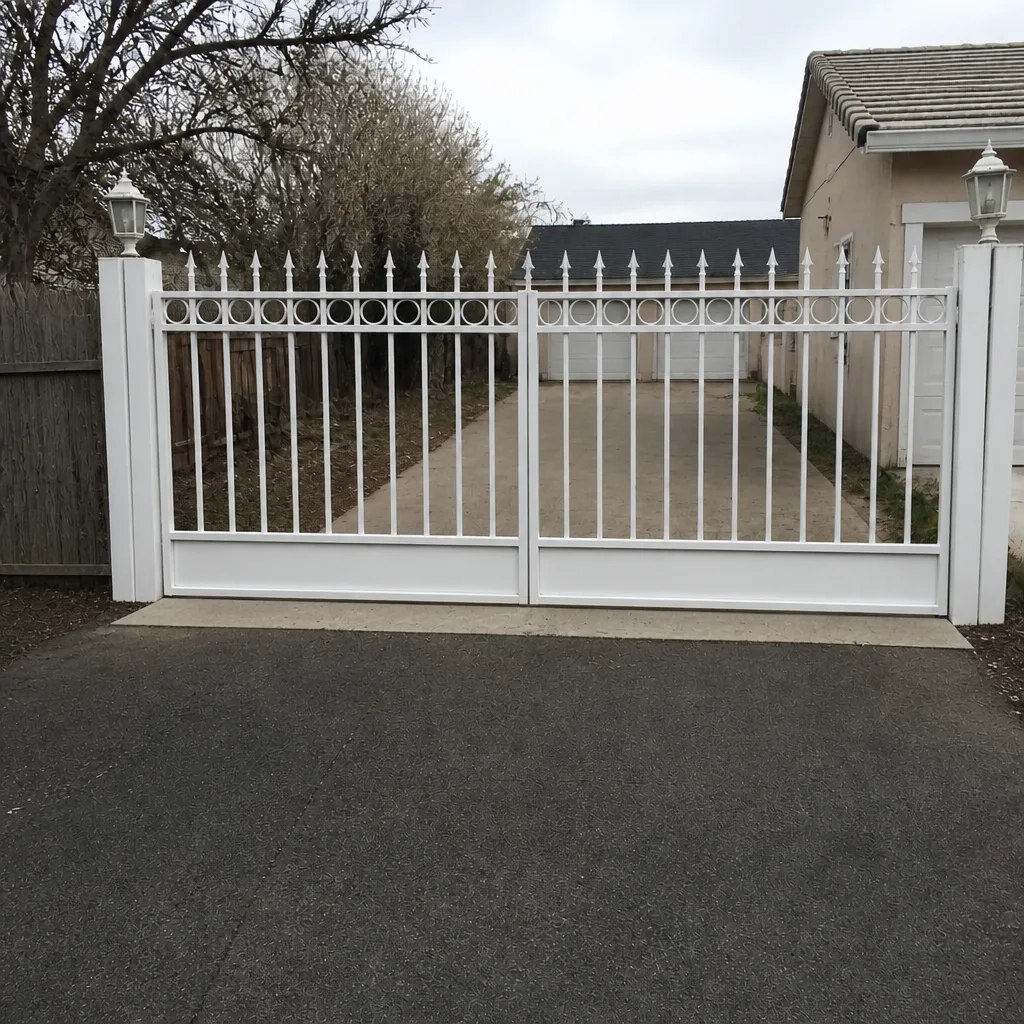 After
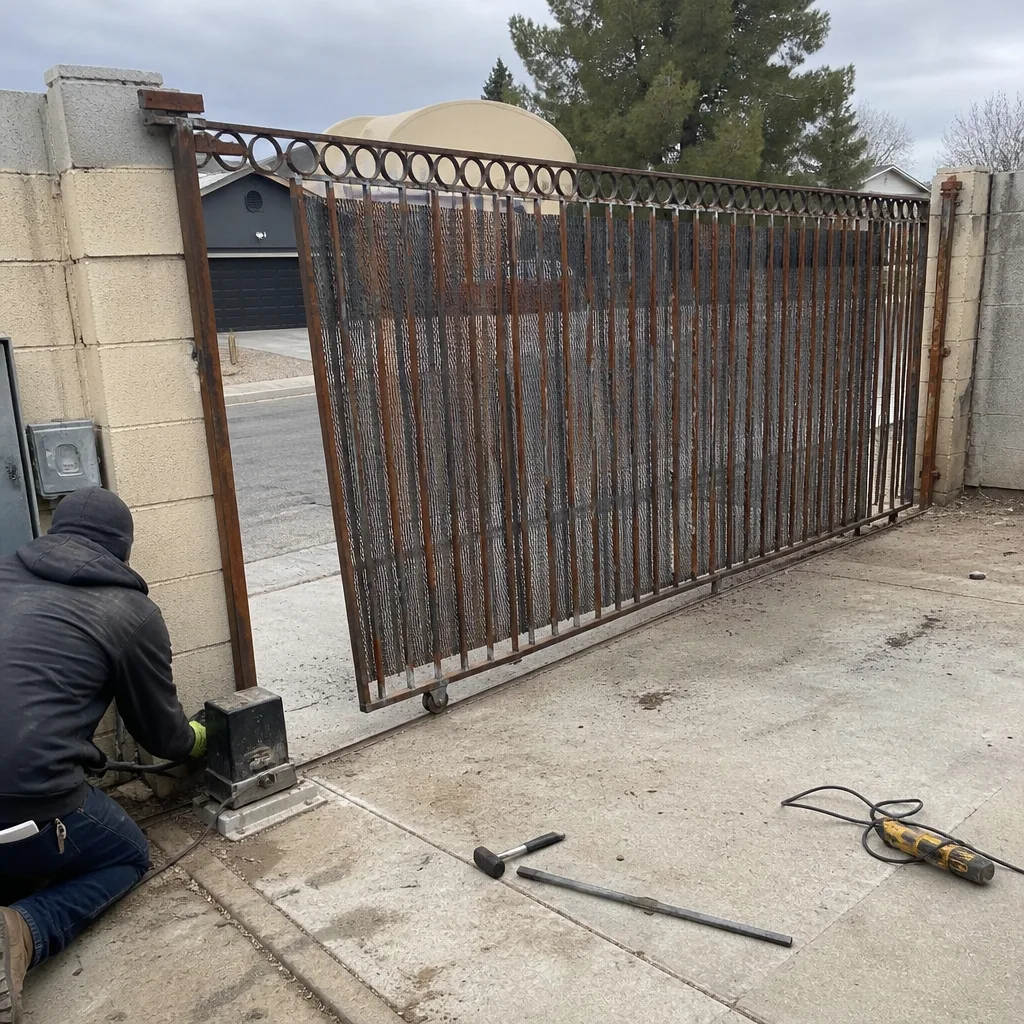 Before
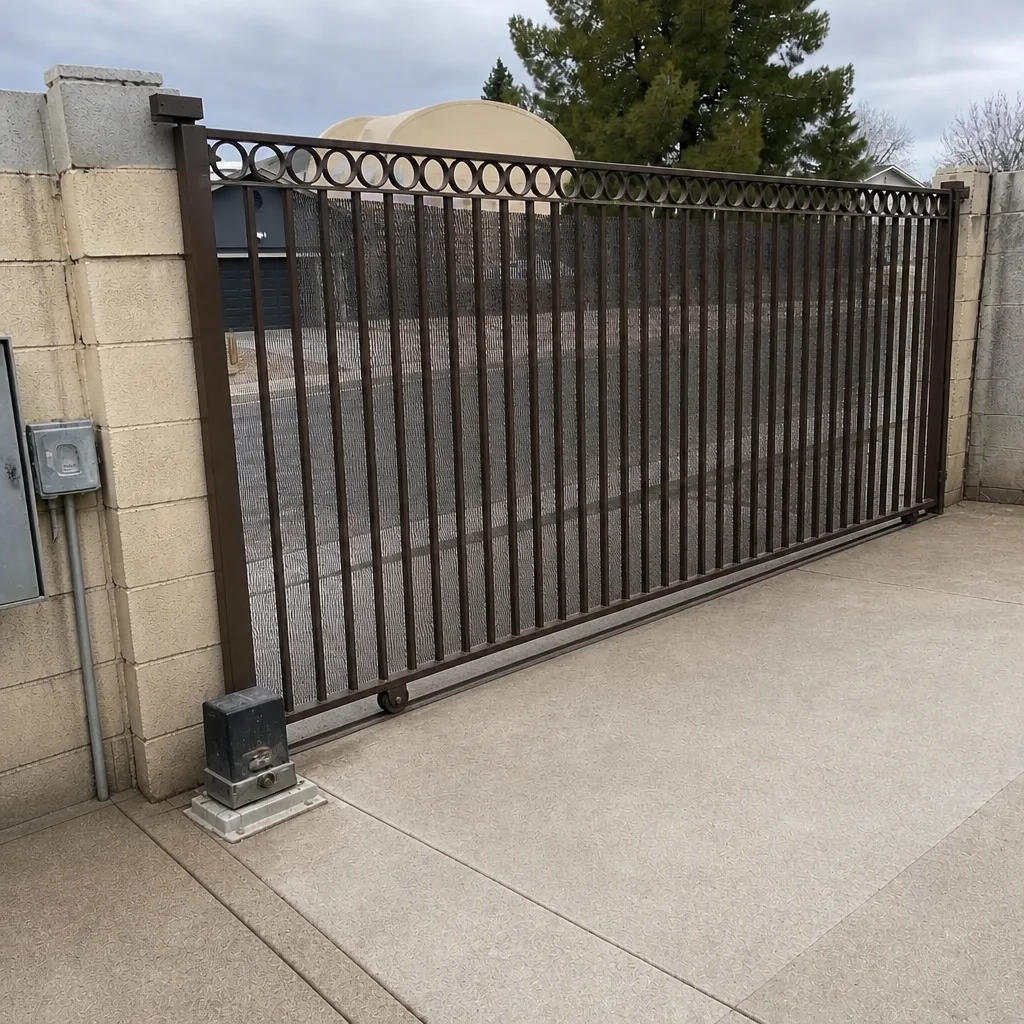 After
How Gate Access Control Systems Work in Whitney, NV
A gate access control system works by running one control loop: a vehicle loop detector (an inductive coil buried in the driveway that senses metal), a keypad, or a fob reader sends a signal to the controller board, the board energizes the actuator, and limit switches tell the board when to stop the arm. In Whitney, NV, that same loop has a second, invisible layer: the HOA compliance rules that dictate which credential types, master codes, and entry methods a replacement controller is allowed to use. Understanding both layers is why one service call here fixes the gate instead of two.
If your gate swings open on command but fails an association walk, or stops partway and reverses, call (844) 797-4861 and a live person will answer at any hour. We serve all of Whitney in NV, from the newer townhome complexes to the master-planned subdivisions along the Valley’s western edge.
Why a Working Gate Can Still Fail a Whitney HOA Walk
A Whitney driveway gate with a fresh LiftMaster board can still fail an HOA compliance walk if the keypad credential type was never on the association’s approved list. That’s not a wiring problem. It’s a documentation problem, and no generic explainer on the internet mentions it because most of them were written for commercial parking lots in cities that don’t run on CC&Rs.
Whitney was built almost entirely on post-1990s tract development, and nearly every subdivision here is HOA-governed. The consequence is simple: a technician who understands the hardware but not the compliance rules can leave you a gate that works perfectly and violates the association’s approved entry method anyway. Under those conditions, what the controller is programmed to accept matters as much as whether the actuator fires at all. See our Gate Access Control in Whitney page for the service side of that equation.
The Physical Control Loop, Broken Down
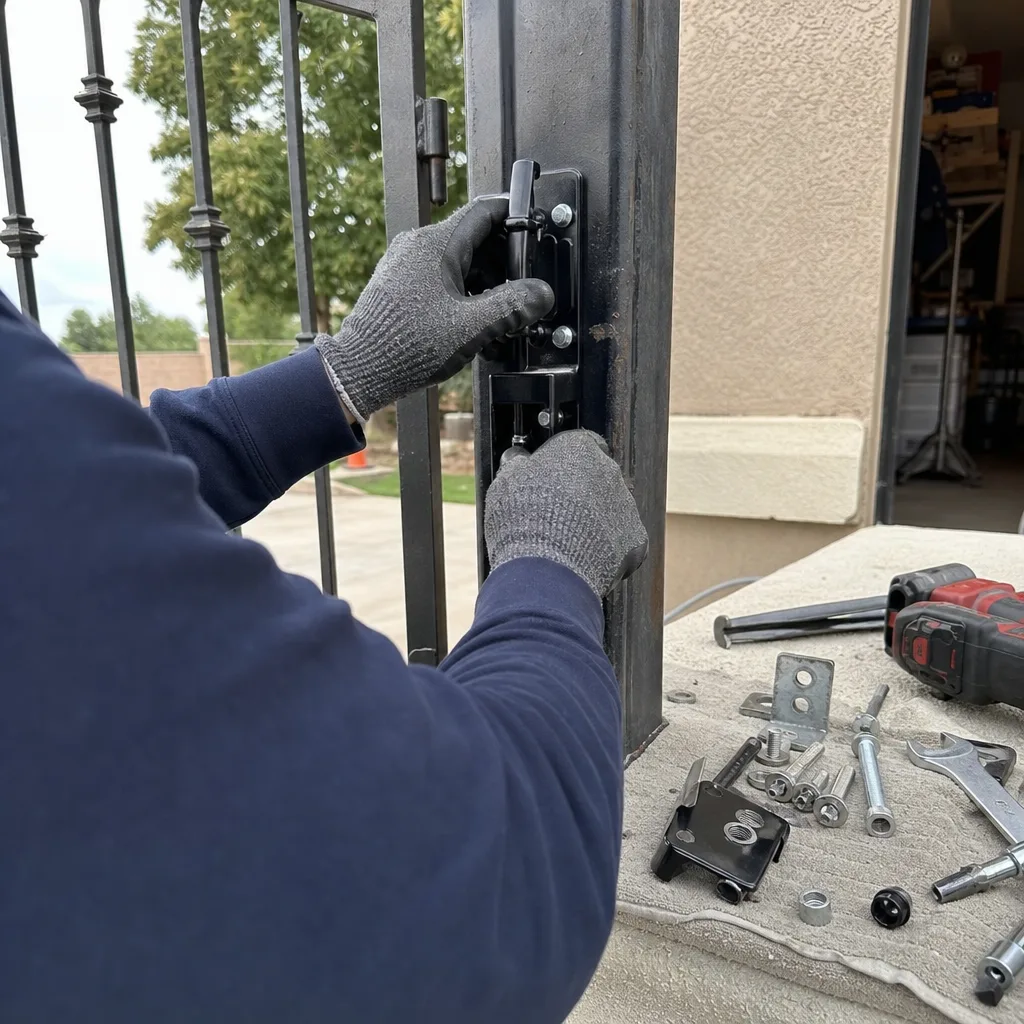
Here’s the actual chain of events, in order, every time a vehicle pulls up to a Whitney driveway gate:
- The loop detector senses metal. A coil of wire is embedded in the concrete apron (a slab in front of the gate). Current through it creates a magnetic field. When a vehicle’s mass interrupts that field, the detector relays a trigger to the controller.
- The controller decides. The board checks the trigger against its programmed logic: is this a free-exit loop, or does it require a valid credential (keypad code, fob, intercom release)?
- The controller energizes the actuator. For a swing gate, that’s usually a hydraulic or electromechanical arm; for a slide gate, a rack-and-pinion motor. The board sends voltage and the arm moves.
- Limit switches tell the board when to stop. A limit switch is a small mechanical or magnetic contact that reports arm position. When it trips at the open point, the board cuts power to the motor. When it trips at the close point, it cuts power again. If it’s off by even a few degrees, the gate over-travels, binds, or reverses mid-swing.
- Photo-eyes guard the path. An infrared beam across the travel path interrupts a safety circuit if anything crosses it. If the beam is misaligned by roughly two inches, the gate stops or reverses even with nothing in the way.
We keep the wiring diagram from every one of these steps, because the habit came out of commercial access-control documentation work that started in 2014. When a board has to be replaced or reprogrammed, the diagram means the next technician doesn’t have to disassemble the enclosure to figure out what’s connected to what.
BeforeAfterThe Compliance Layer: Master Codes and CC&R-Approved Entry
Whitney’s HOA-governed subdivisions split the access-control job in two, and the second half is where most technician visits go wrong. The compliance layer covers three things:
- HOA master codes. Most associations here hold a master keypad code for their own staff, security vendors, and emergency access. If a replacement controller can’t be set to accept that code, the gate is technically functional and administratively broken.
- Shared-entry credential protocols. When multiple residents share a perimeter gate, the association controls which resident credential types (fob, keypad code, transponder) are on the approved list. A board that only accepts a brand-specific fob type that the HOA never approved is a repair that gets rejected.
- CC&R-approved entry methods. Keypad, fob, or intercom, some associations specify. A technician who swaps all three without checking the CC&R hands the homeowner a compliance failure.
Before we touch a controller, we ask for the association’s approved credential list and check it against the board’s programming options. This is the difference between a hit-and-run repair and one that survives the next compliance walk. If you need a new controller set up correctly the first time, our Gate Access Control service covers that setup as part of the written scope.
How the Mojave Heat Breaks Whitney Gate Electronics
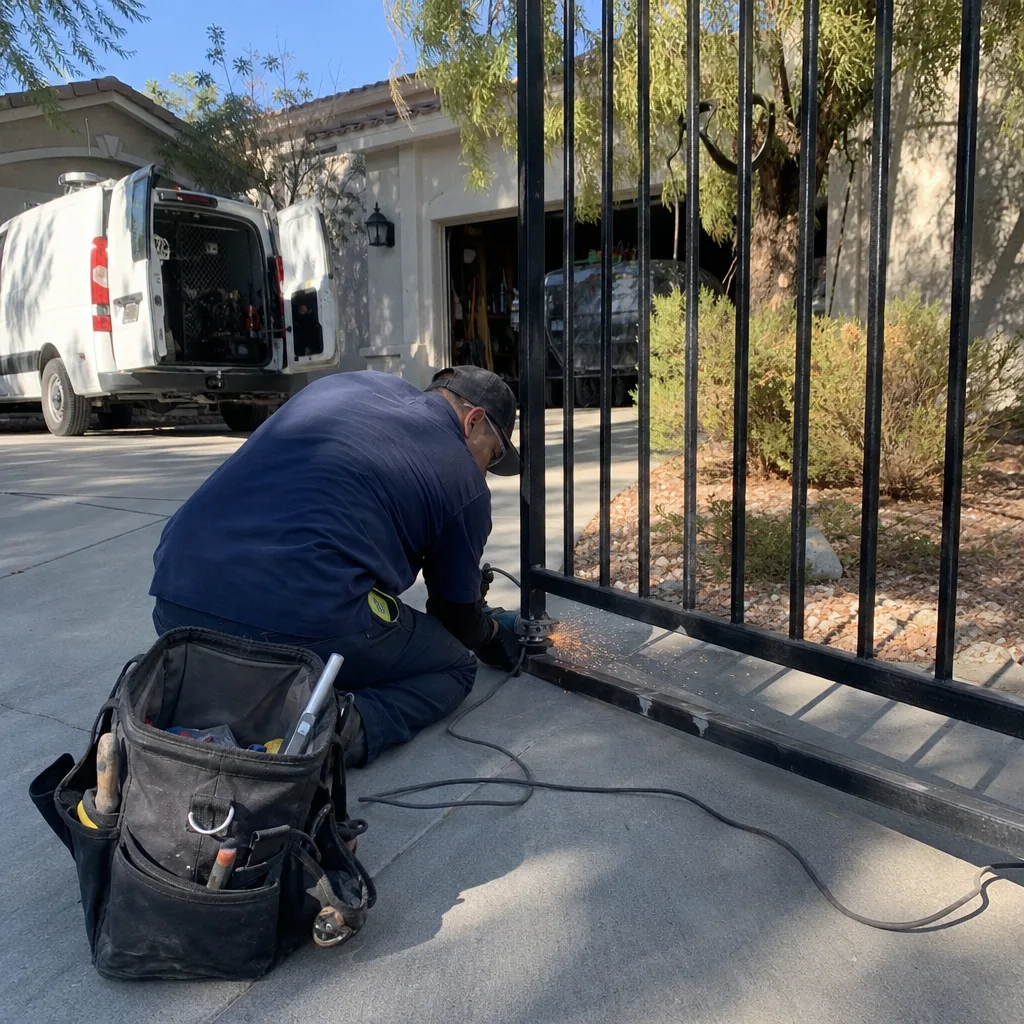
Whitney’s desert setting does more damage to access-control hardware than most homeowners expect, and generic explainers skip it entirely. Gate surfaces here top 120°F in summer, and that heat does two specific things:
- Loop-detector wire insulation degrades. The coil is buried in concrete that bakes all day. Heat cycling eventually cracks the insulation, and the detector starts reporting false triggers, phantom vehicles at 3 a.m., gates that open for nothing.
- Controllers and actuators overheat. Enclosures that are sealed against dust and rain also trap heat. Over a few summers, this shortens the life of control boards and causes intermittent faults that clear when the gate cools down at night.
- UV bakes whatever is exposed. Plastics, wire jackets, and actuator seals dry out and crack. This is the leading cause of seasonal failures in Whitney’s master-planned subdivisions, where the gate hardware has been sun-exposed since the tract went up.
Alongside the heat, the region’s caliche-heavy, expansive desert soils cause post shifting and settling that throws gates out of plumb and misaligns latches. Between heat and soil, a Whitney gate is asked to do more than a gate in a mild climate, and the documentation we leave after each visit (photo log, limit-switch readings, part numbers) is what lets the next technician skip the guesswork instead of rediscovering the same problem.
Why Mixed-Brand Perimeters Matter for Access Control
Whitney’s community and perimeter gates often mix brands: a LiftMaster operator at the main entrance, a FAAC arm on the pedestrian gate, an Elite motor on a resident driveway. Each brand’s controller communicates with credentials differently (the input format, the encryption, the available credential types), which is why brand-agnostic knowledge matters when an HOA community has mixed-brand gates along a shared perimeter.
We service nine major automation brands: LiftMaster, FAAC, BFT, Linear, Viking, Ghost Controls, DoorKing, Elite, and Mighty Mule. That range means we work on whatever motor is already on the property rather than steering you toward a replacement. A repaired board with a written record beats an expensive swap that fails an association walk, and our upfront pricing puts the number in writing before anyone picks up a tool. A free second opinion on any estimate from another company is always available; bring the paperwork and we’ll review it at no cost.
Common Local Scenarios We See in Whitney
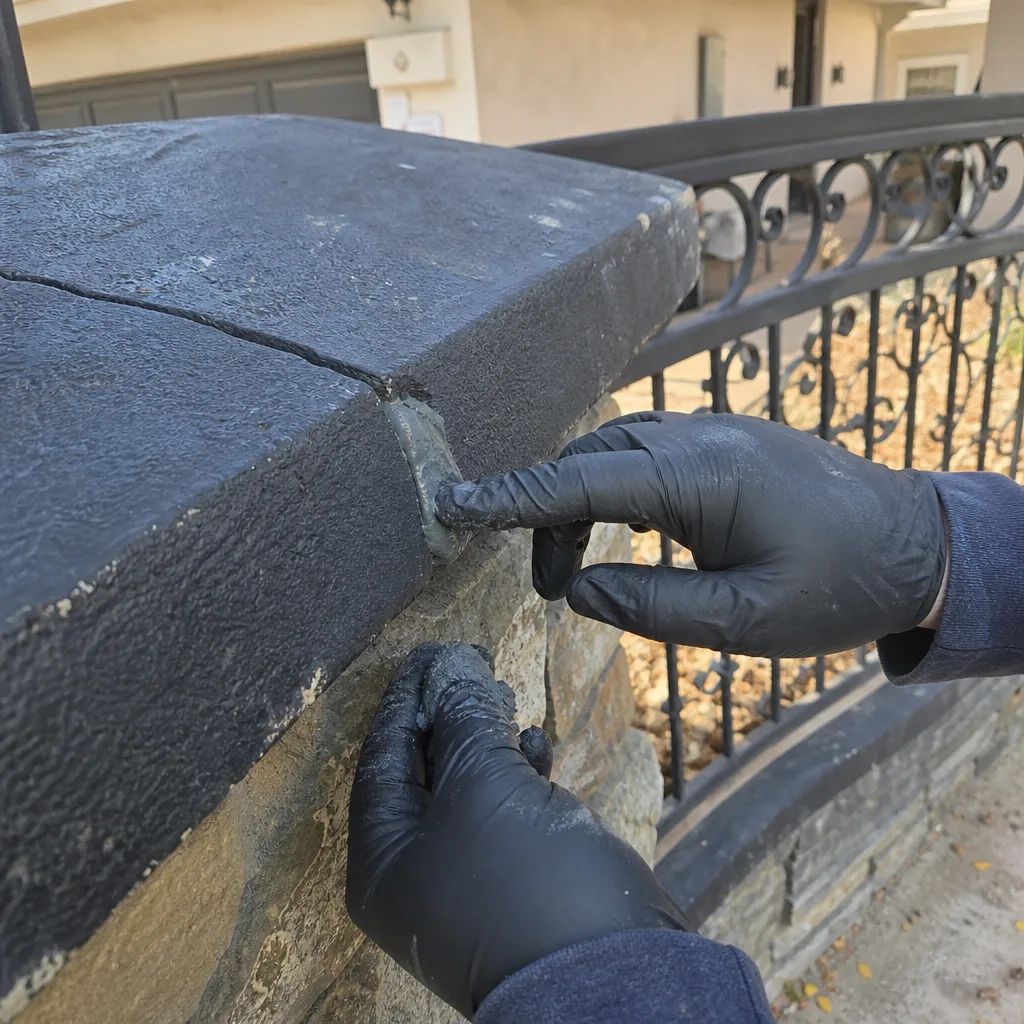
Here’s what the compliance-plus-hardware split looks like in practice:
- A homeowner’s driveway gate works fine, but the HOA fails it because the new keypad only accepts fobs, and the CC&R approves keypad codes. The fix isn’t electrical; it’s reprogramming the board and documenting the change.
- A perimeter gate false-triggers every afternoon at 2 p.m. when the concrete apron hits peak heat. The loop-detector wire insulation has cracked from years of heat cycling, and the detector is reading phantom vehicles.
- A shared-entry gate stops at the same point every time, and the limit switch is set 12 degrees past travel. We reset it, photograph the new position, and leave the reading in the record so the next tech can verify it without opening the board.
- A replacement controller is installed correctly but can’t accept the HOA master code, because the board is a different brand than the HOA’s credential list expects. The gate is functional and administratively non-compliant.
Each of these is a Whitney-specific failure mode that a generic system can’t predict. Our technicians have up to 12 years of experience, and the practical effect is that we ask for the HOA paperwork before we ask for a wrench.
FAQs
A gate access control system works by triggering a controller through a loop detector, keypad, or fob, which then drives an actuator and stops it on limit switches. In Whitney, the same loop also has to satisfy HOA master-code and CC&R-approved entry requirements, which is why a repair that ignores the compliance layer can fail an association walk even when the gate works. Call (844) 797-4861 for a free estimate on any access-control repair.
False triggers at a consistent time usually point to a heat-degraded loop-detector wire or a controller overheating in its enclosure. Whitney’s 120°F summer gate surfaces dry out and crack the coil insulation, and the detector starts reading phantom vehicles when the concrete apron hits peak temperature. We can trace the trigger and document the reading; call (844) 797-4861 for a free estimate.
Yes, provided the board is on the association’s approved credential list, which is why we ask for that list before installing. Each brand’s controller accepts credential types differently, so a LiftMaster, FAAC, or Elite board has different options for programming a shared master code. Call (844) 797-4861 and we’ll confirm compatibility before anyone orders hardware; estimates are free.
No, but you do need to leave the association’s credential list and CC&R entry-method page visible, since we check the compliance layer before we touch the board. We photograph every adjustment and leave the written record with you whether or not you’re present. Call (844) 797-4861 to schedule; the price is in writing before work starts.
If you’d rather have it looked at, Vance Gate Repair Whitney offers a no-pressure assessment in Whitney. We put the price in writing before anyone picks up a tool, photo-document every visit, and back the work with our 365-Day Done Right Promise. Call (844) 797-4861 for a free estimate.
Written by the team at Vance Gate Repair Whitney, serving Whitney, NV.