
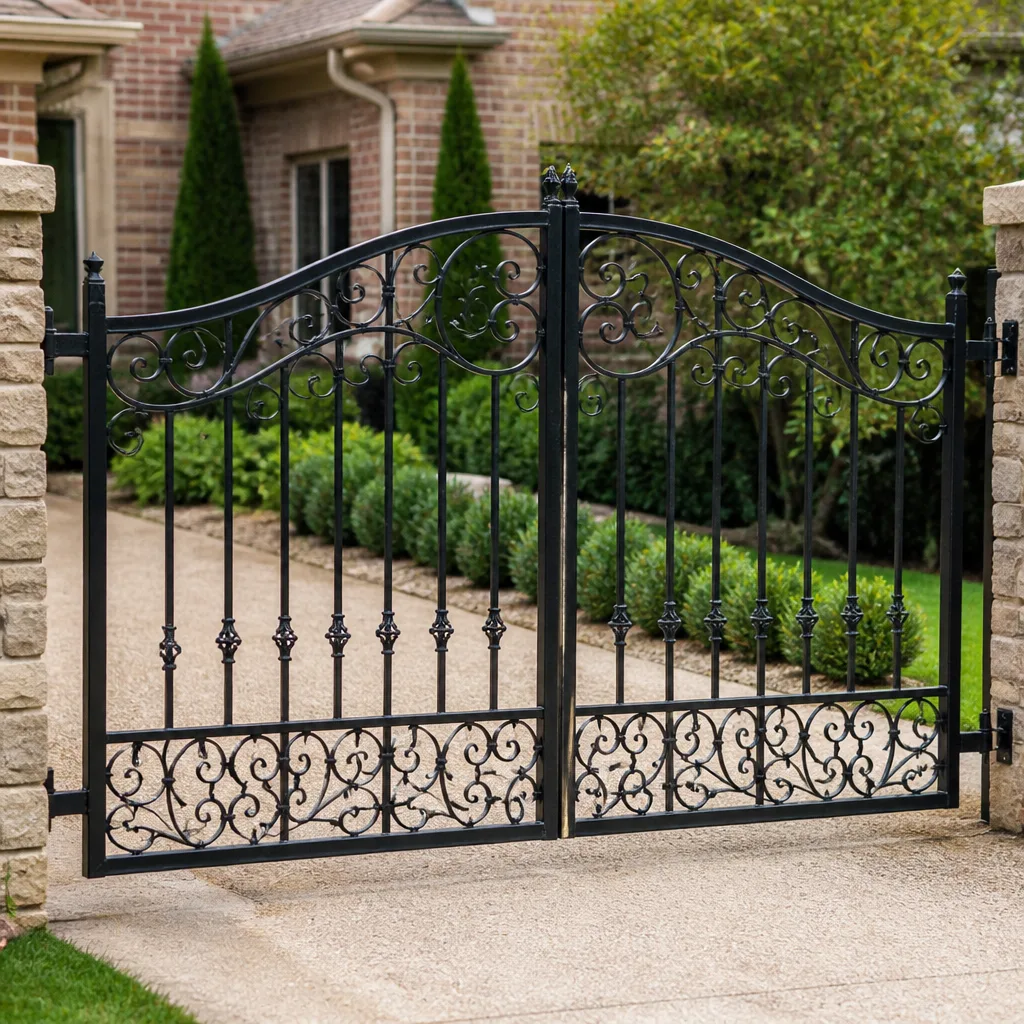
 Wrought iron
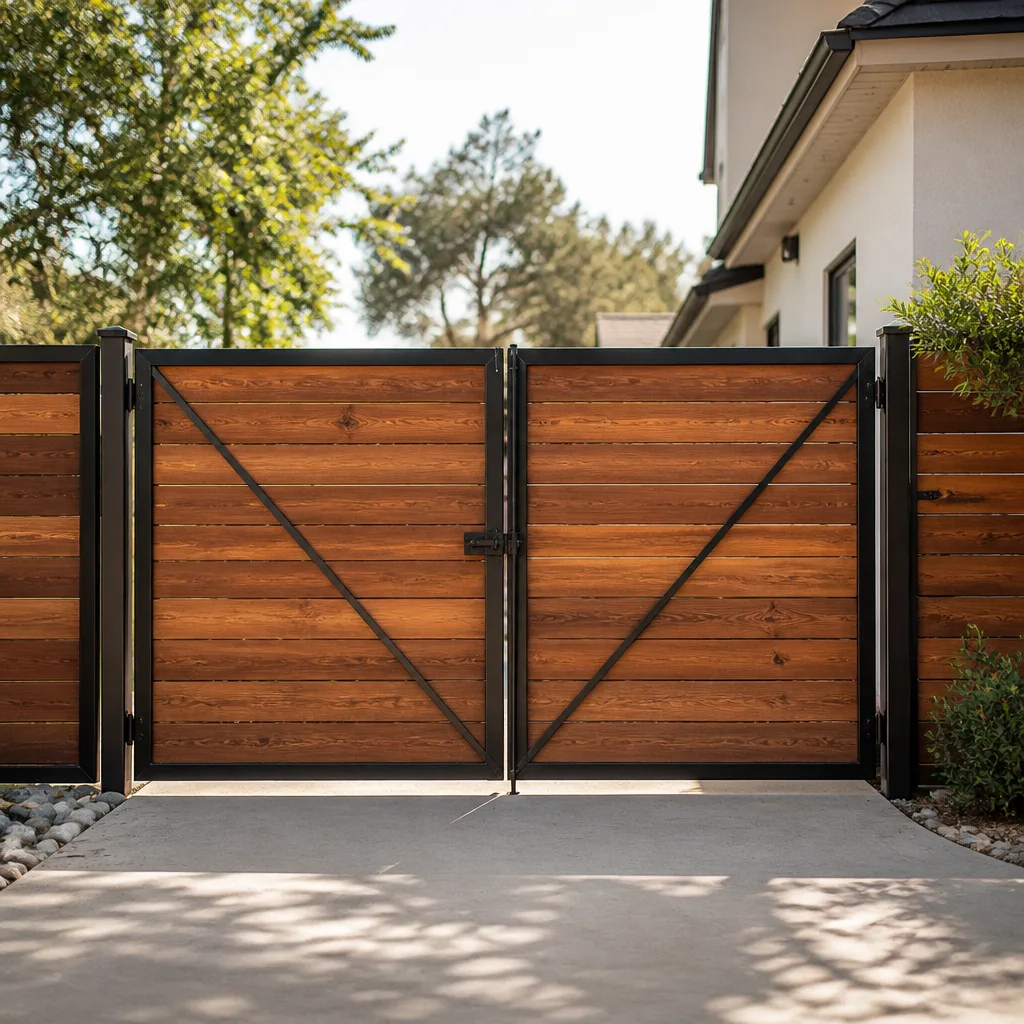 Wood & steel frame
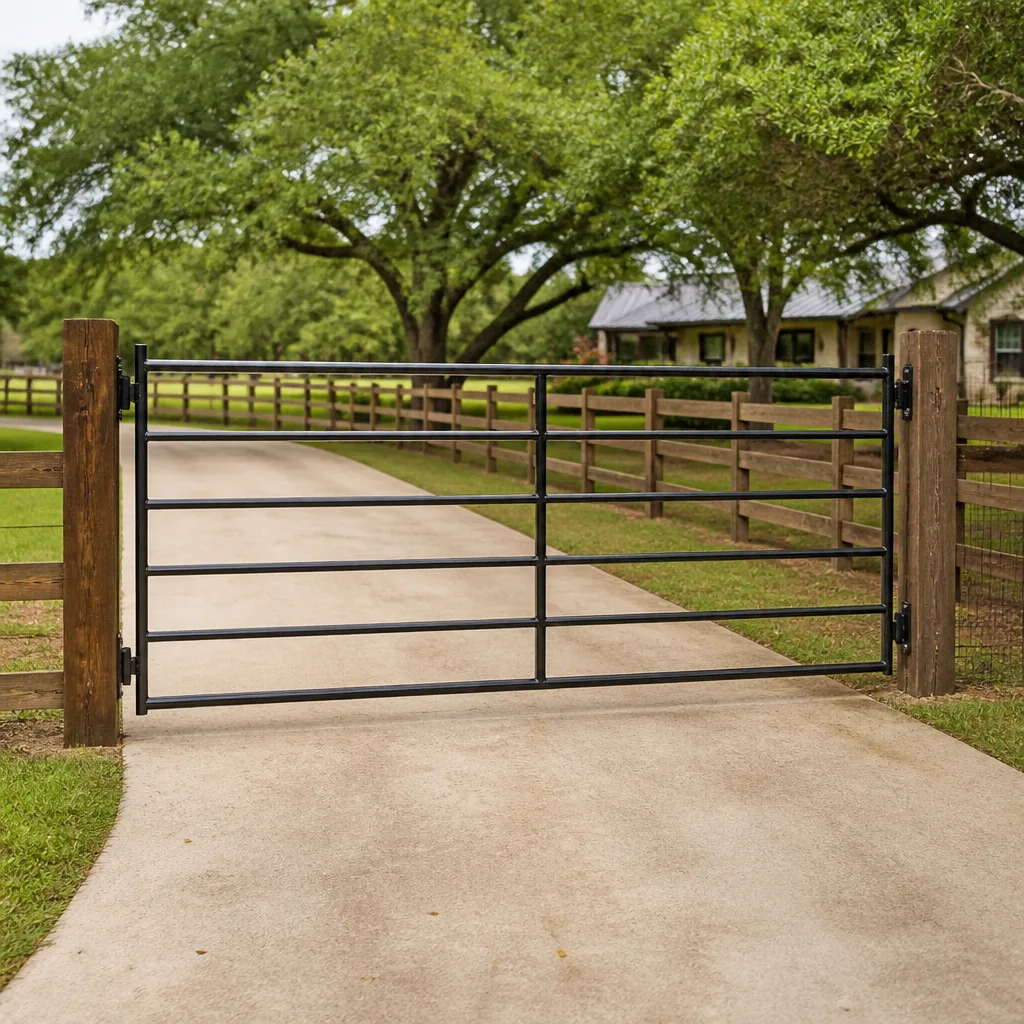 Farm & ranch
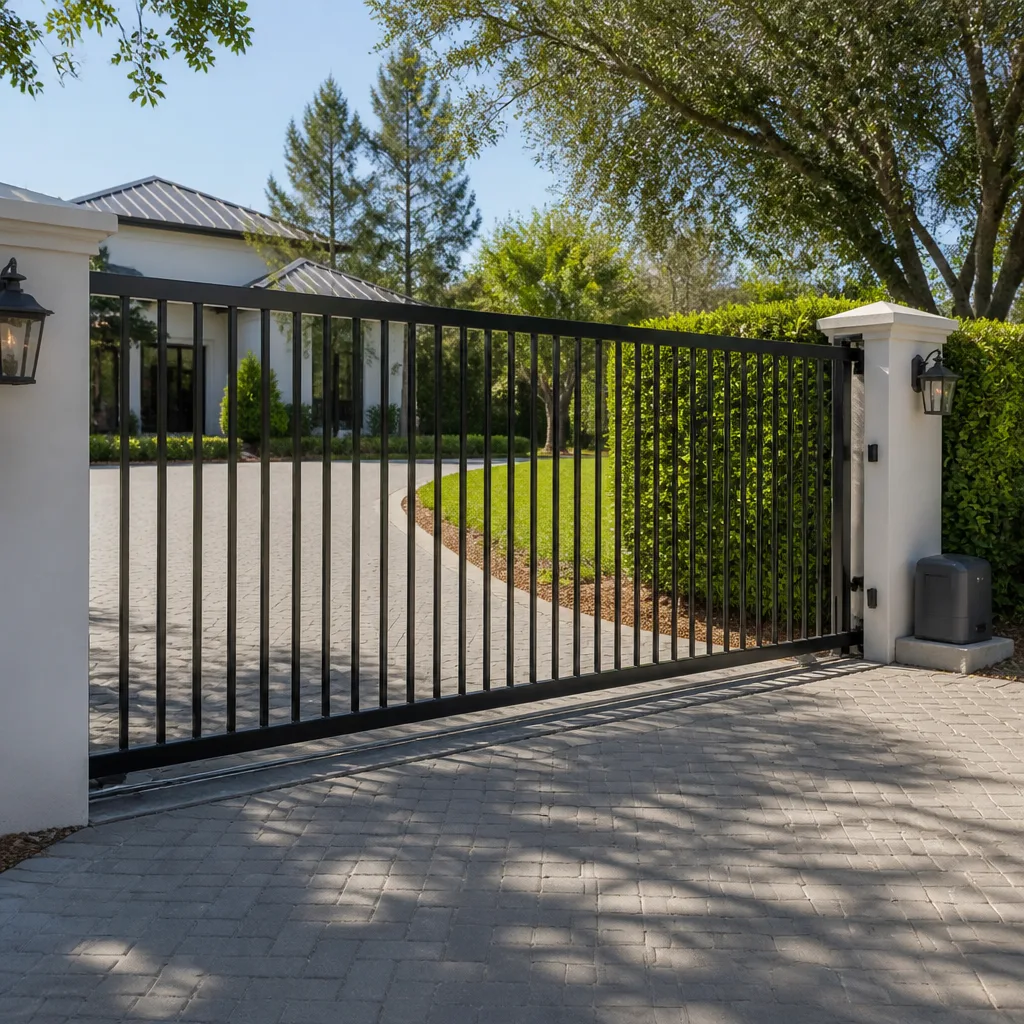 Sliding driveway gates
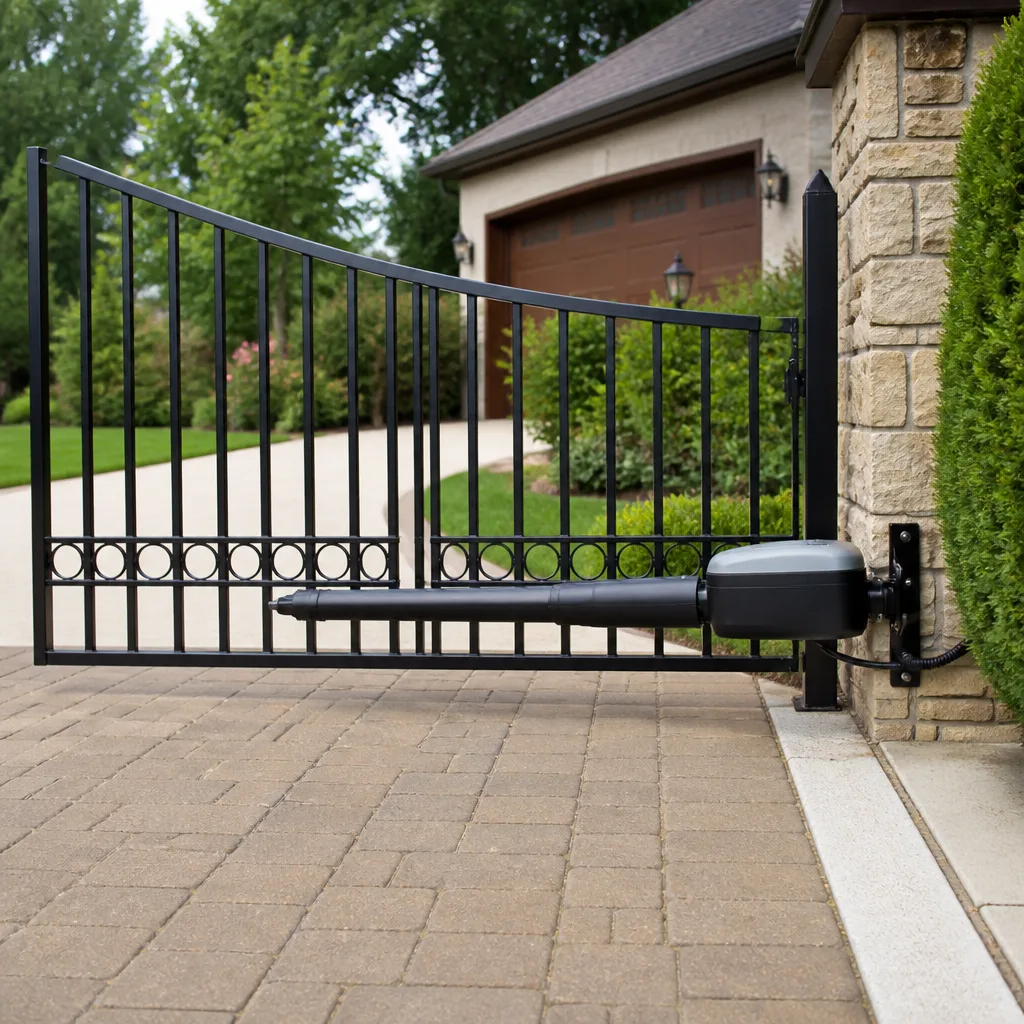 LiftMaster operators
Free on-site gate assessment - hinges, posts, and your LiftMaster or Nice gate operator checked before anything is quoted
The assessment is free and the quote is the invoice.
Get your free estimateStyles & brands we work with
- Wrought iron
- Wood & steel frame
- Farm & ranch
- Sliding driveway gates
- LiftMaster operators
See the difference
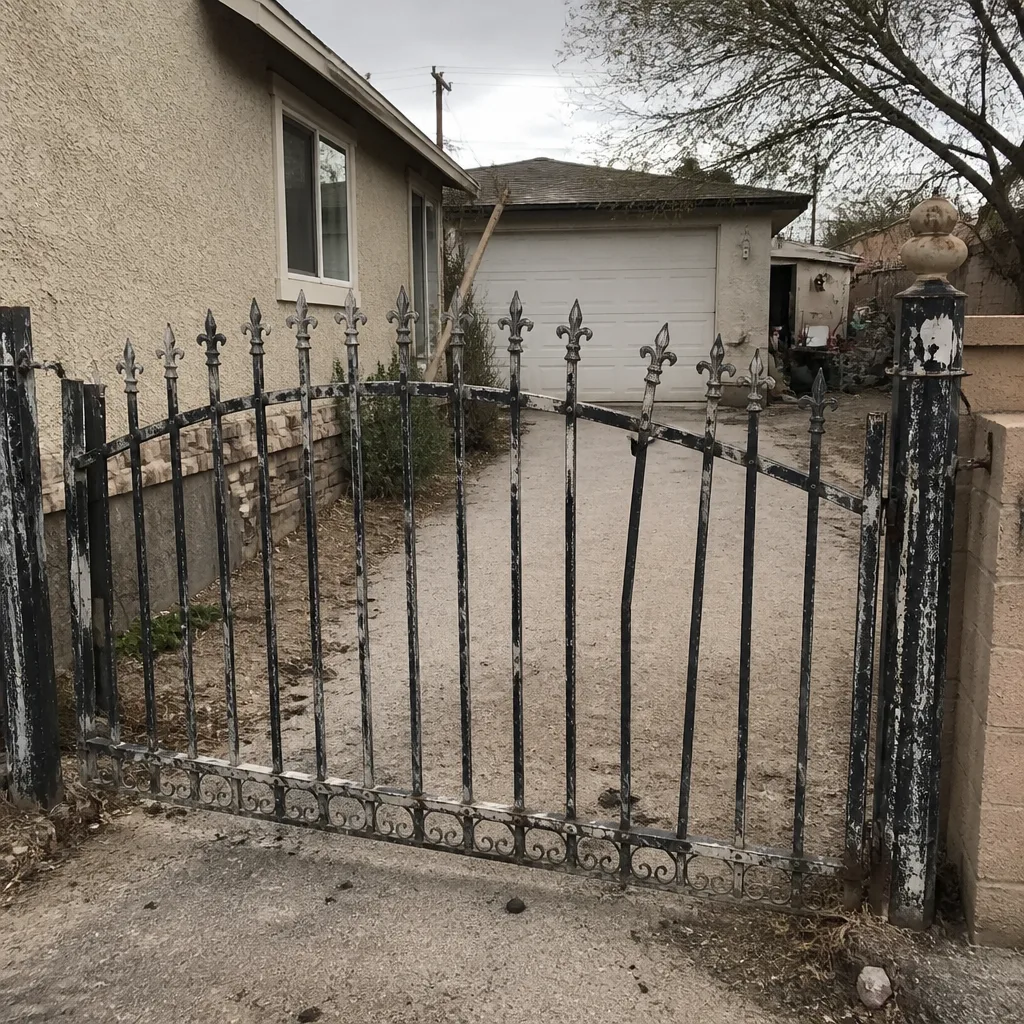 Before
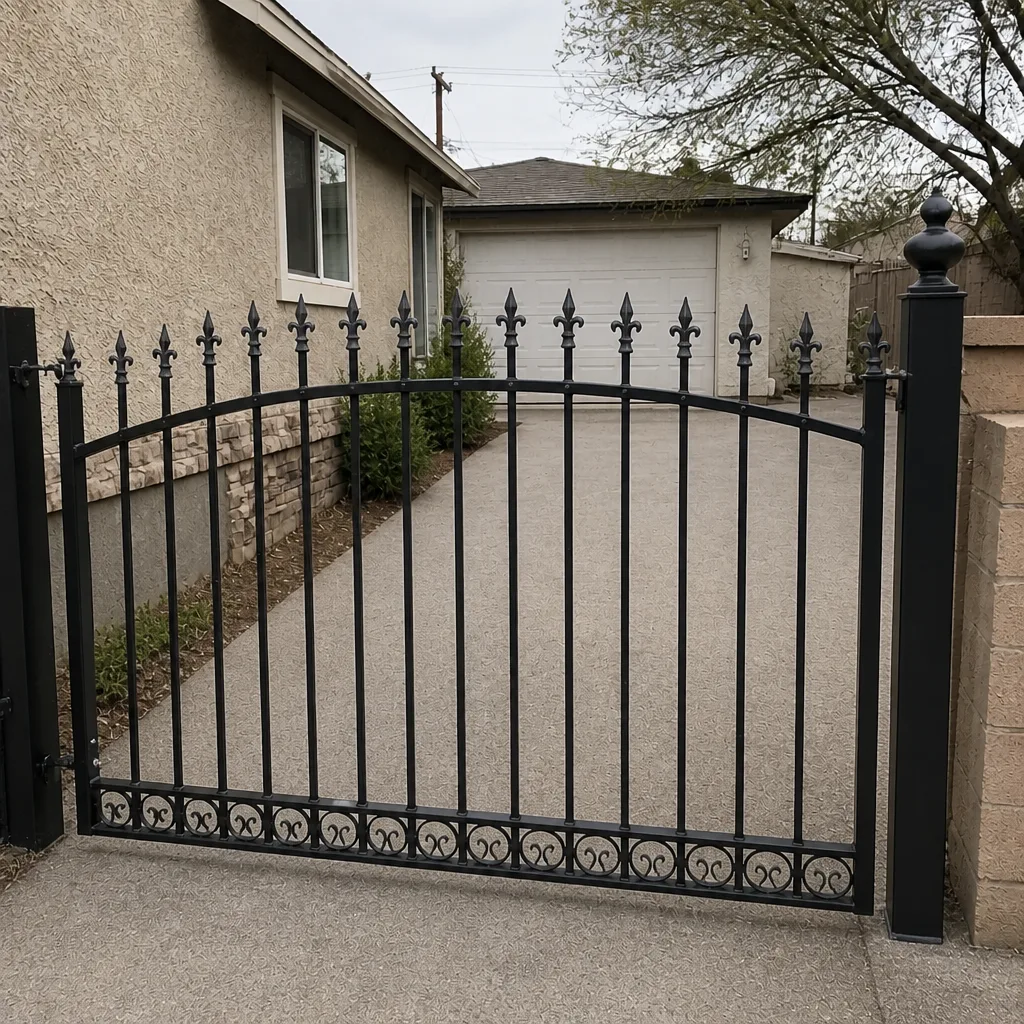 After
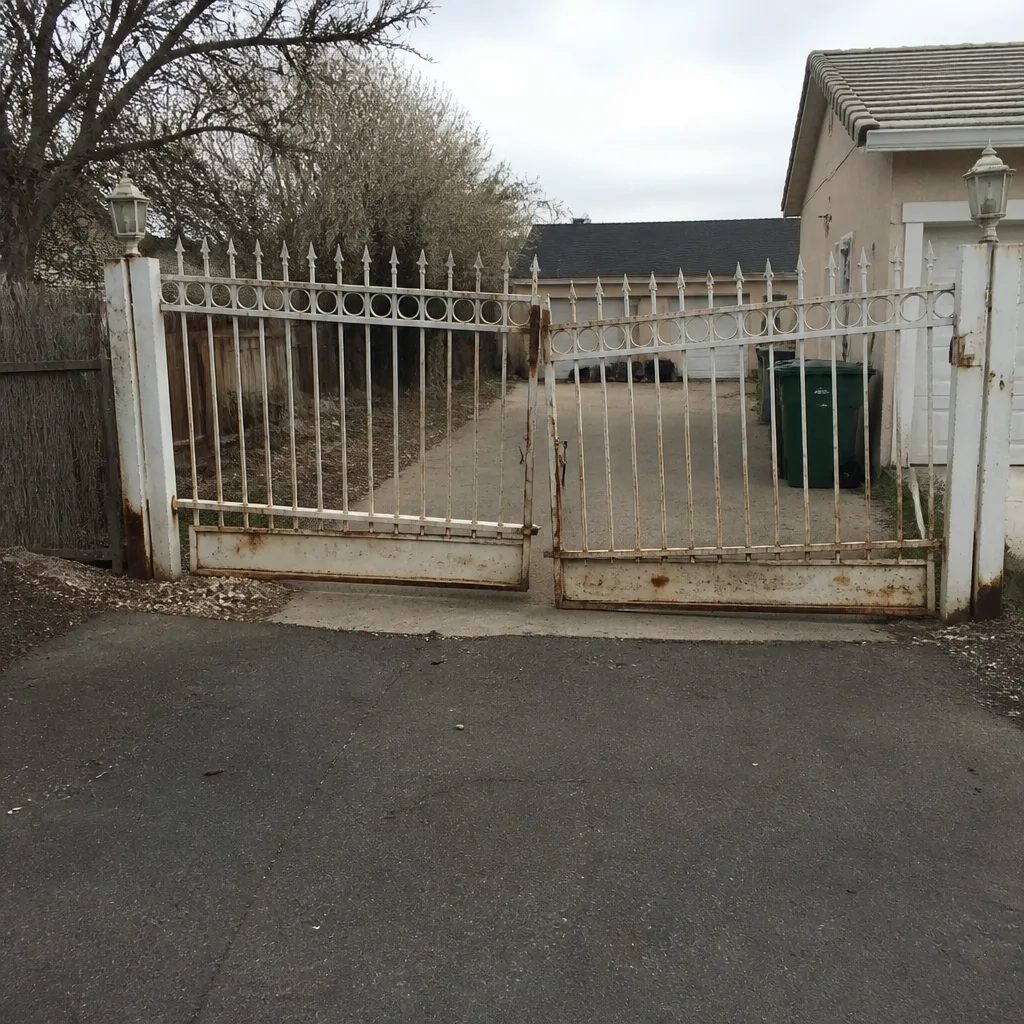 Before
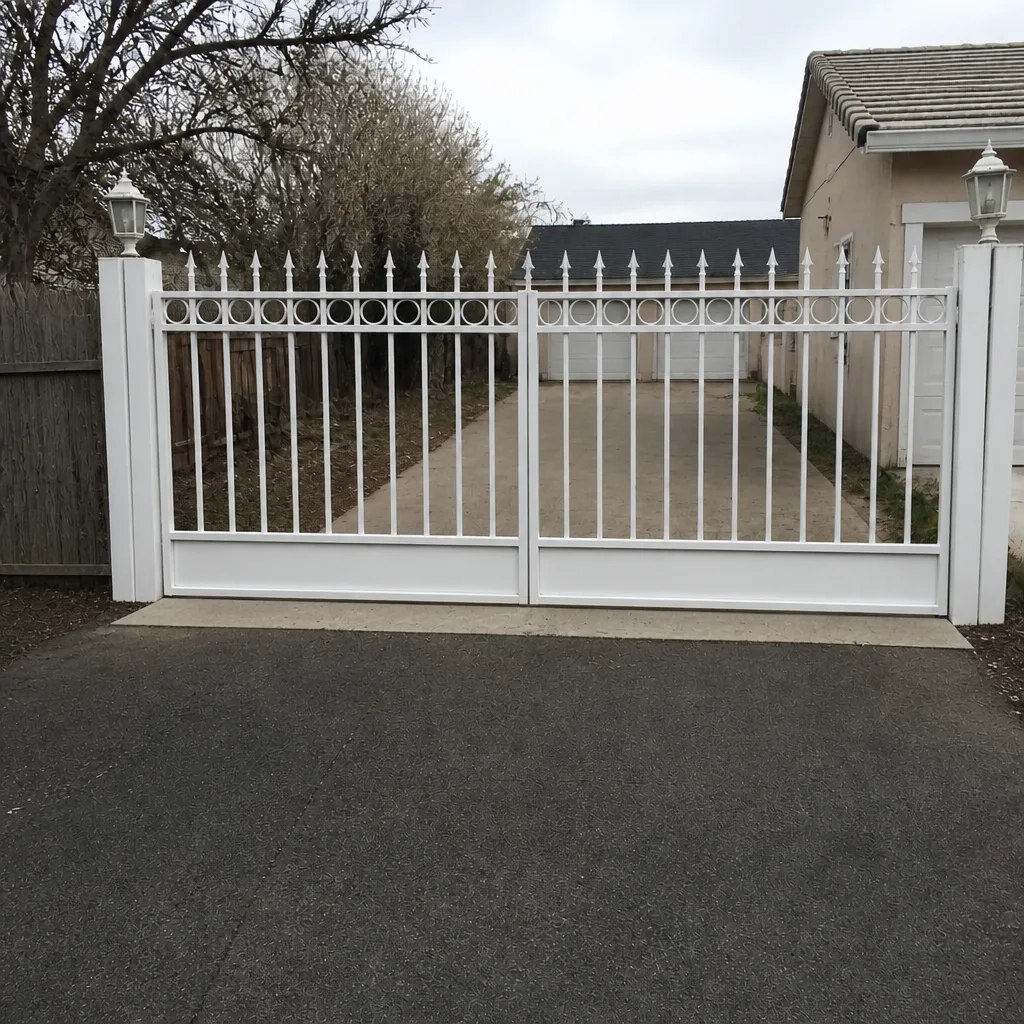 After
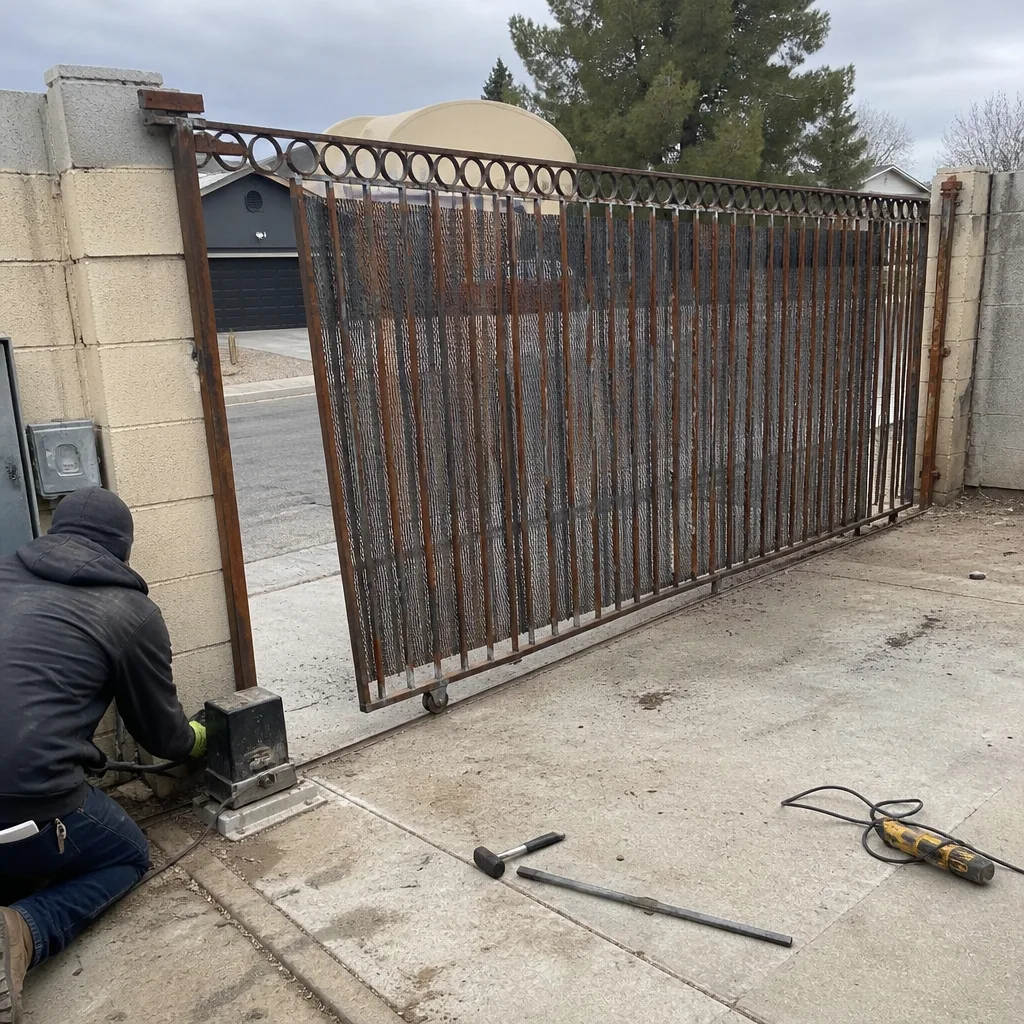 Before
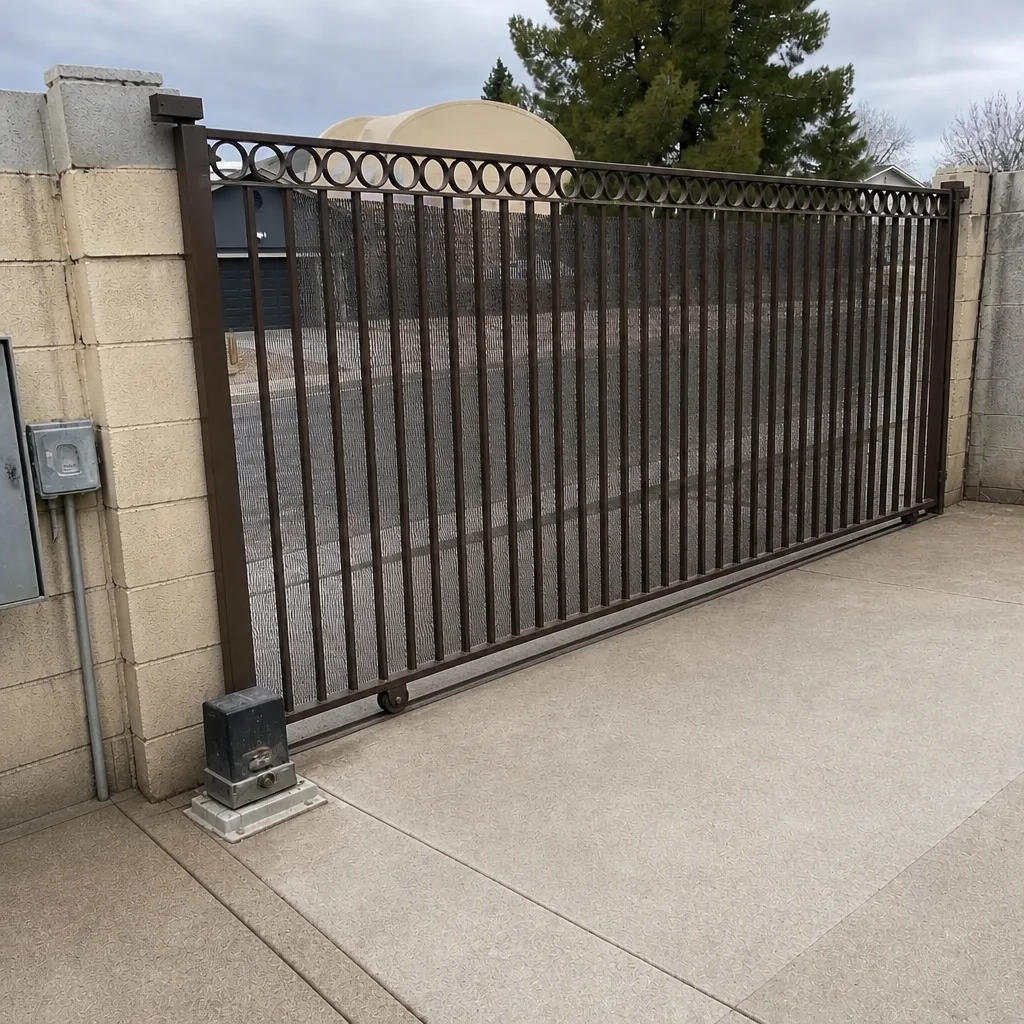 After
Wrought Iron vs Aluminum Gate in Whitney, NV: Choose Aluminum Unless Your HOA Approves Steel
For most Whitney, NV homeowners, aluminum is the right gate material. Choose aluminum unless your HOA’s architectural guidelines specifically approve a powder-coated steel tubular gate, or unless you live outside an HOA subdivision and will accept a repaint cycle every five to seven years. That recommendation runs opposite to what most online comparisons say, and it has nothing to do with strength. In Whitney, the material debate is downstream of an HOA compliance decision. Call Vance Gate Repair Whitney at (844) 797-4861 and we’ll tell you what your community actually approves before anyone prices a single panel.
The reason lives in the history of the neighborhood. Whitney is an unincorporated Las Vegas Valley suburb built almost entirely on post-1990s tract development, which means the gates on file were specified by builders, not by the homeowners who live behind them today. Those builders made a choice, they wrote it into the CC&Rs, and the architectural committee still enforces it decades later.
Breaking down a familiar failure
A homeowner in one of the older Whitney subdivisions replaced a bent aluminum driveway gate with a heavier steel gate. Same black finish, same general look, and structurally a better gate. The HOA flagged it on the next architectural walk because the picket spacing was 4 inches instead of the association-specified 3.5 inches. The gate had to come out. That’s several hundred dollars spent on a gate that had to be removed and refabricated, and it’s the story we hear most often in this ZIP code.
The real choice in Whitney: what “wrought iron” actually means here
Almost none of the gates in Whitney are true wrought iron. Forged wrought iron hasn’t been made commercially in the United States for decades. What gets called “wrought iron” on a Las Vegas Valley driveway is nearly always powder-coated steel tubular – square or rectangular steel tubing fabricated to look like forged iron. It’s a good material. It’s just not what the name implies, and the distinction matters for how the finish behaves.
The gates that show up in Whitney’s approved HOA schedules are usually aluminum. Aluminum resists rust at the point most steel gates fail, which is where the gate frame meets the concrete post footing filled with caliche-laced soil and standing moisture. Steel tubular gates rust from the inside out at the base, where the powder coat fails and the moisture sits. Aluminum can’t rust because it contains no iron to oxidize. That’s why the builders specified it, and why so many community gate schedules from that era name aluminum by finish and profile.
How Mojave UV changes the maintenance math
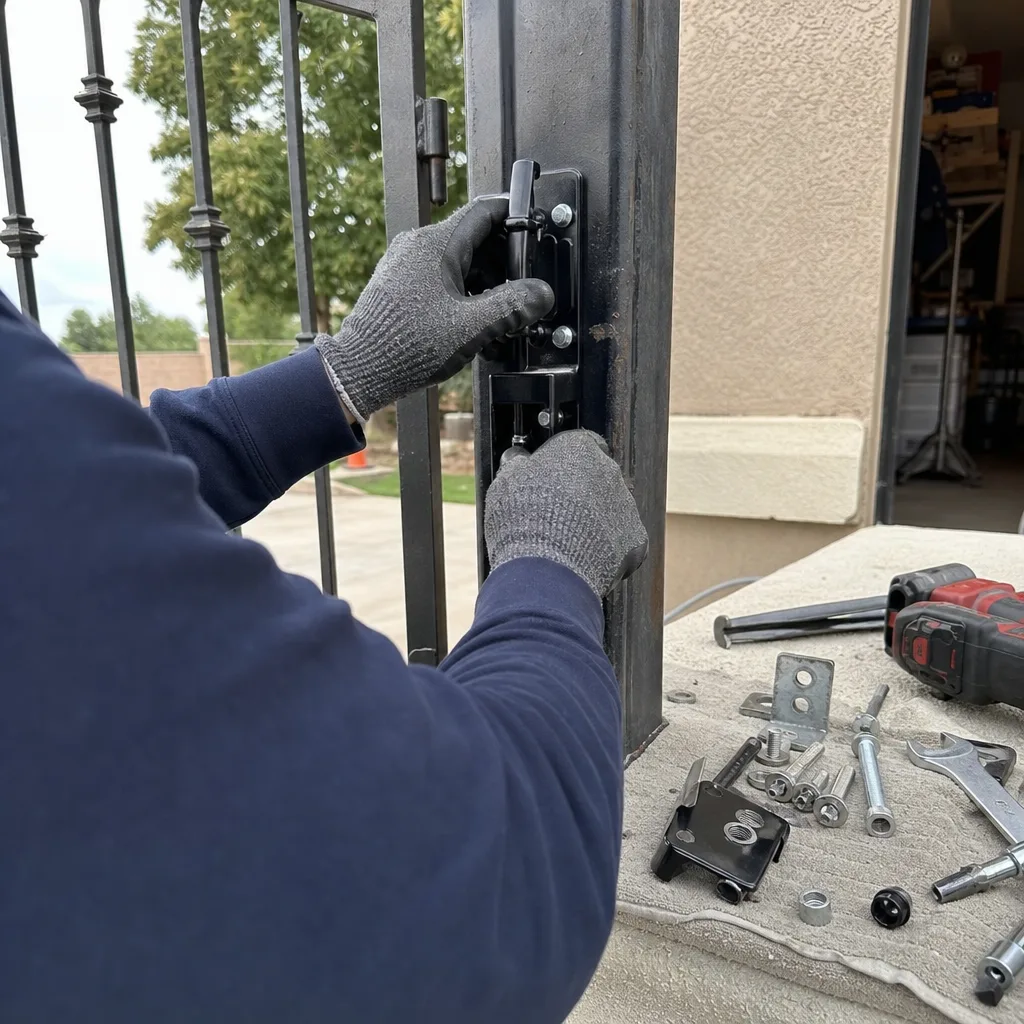
Whitney’s desert climate treats the two materials differently, and most comparisons online skip this entirely. The numbers below reflect what we see on residential gates in the valley.
| Factor | Powder-coated steel tubular | Powder-coated or anodized aluminum |
|---|---|---|
| Finish life under direct desert sun | Chalks and oxidizes in 5-7 years | Typically 10-15 years before noticeable fade |
| Rust risk at post footing | High where powder coat fails below grade | None (no iron to oxidize) |
| Thermal mass and heat expansion | Higher, more movement at hinges | Lower, more stable in the heat |
| Weight on the post | Heavier; accelerates settling in caliche soil | Lighter; reduces long-term post drift |
The UV point is straightforward. Steel traps more heat, the powder coat on a steel gate chalks and oxidizes faster under full Mojave sun, and each repaint runs a few hundred dollars if you’re not doing it yourself. Aluminum holds its finish longer because it doesn’t soak up the same heat. Over a decade of ownership, that difference can easily be more than the initial cost gap.
BeforeAfterThe structural argument most comparisons get backwards
Heavier gate equals stronger gate, per the conventional logic. In Whitney soil, that logic works against you.
Caliche-heavy expansive soil is unforgiving to gate posts. As the ground moves seasonally and the caliche expands with moisture, a post set in concrete will shift by a degree or two over a few years. That shift is normal. What isn’t normal is how much the shift throws off the gate, and that’s directly tied to how much weight the hinges carry. A heavy steel gate amplifies post settling because the hinge load is greater. An aluminum gate weighs less, so the same post movement moves the gate face less, and the latch stays aligned longer. A gate that no longer closes is a repair call whether it’s aluminum or steel, and post-setting repairs add up.
Add monsoon-season gusts and the effect multiplies. Whitney gets occasional high-wind events that rack lighter, larger gates. Keeping aluminum in a sensible size and profile is a structural decision, not a compromise.
The HOA compliance filter comes before material
No homeowner should pick a material until they’ve pulled their association’s approved gate schedule. That schedule usually names three things: the picket profile and spacing, the finish color code, and the hardware finish. Failing on any one of those will get your gate flagged, no matter how good the gate is.
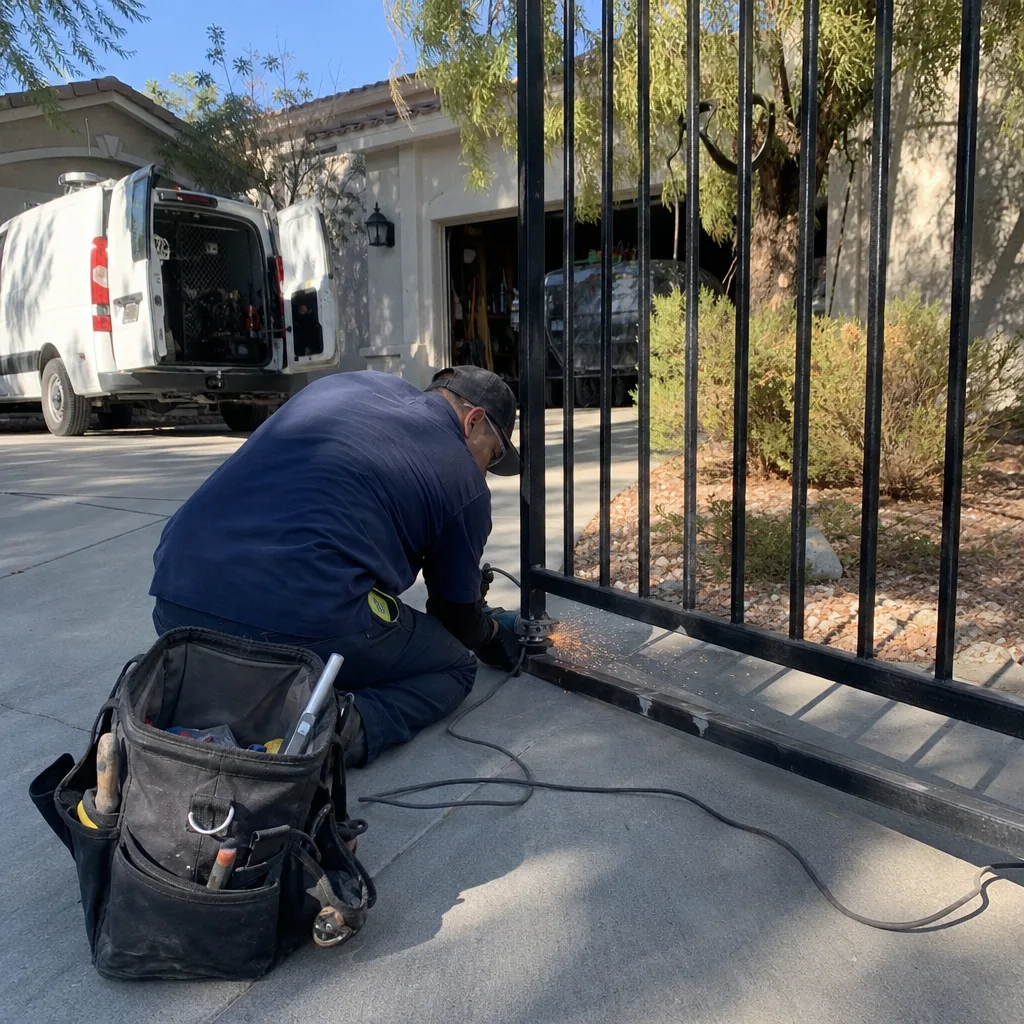
When we look at a Whitney gate for replacement or repair, we document the existing specifications in the photographic record so the replacement order matches exactly. That means a photo of the picket spacing with a tape measure in frame, a photo of the finish color sample against the existing gate, and a note on the hardware model. The architecture committee can compare the record to the schedule directly. That’s the same photographic habit our technicians brought over from commercial access-control work, applied to a residential gate in a Whitney subdivision.
Steps to specify a replacement gate in a Whitney HOA
- Request your HOA’s approved gate schedule and architectural application from the association or management company.
- Photograph the existing gate – picket spacing, finish, hardware – with a tape measure or color standard in frame.
- Compare the existing specs to the schedule and note any prior non-compliant changes.
- Order the replacement gate in the approved material and finish code, not a close match.
- Confirm the written scope names material, finish code, and hardware model before fabrication begins, so you can attach the document to your architectural application.
- Submit the application with photos and the spec sheet before the gate is fabricated.
The written scope is the piece most homeowners forget. Under The Haven Standard Clause 1, our written scope names the gate material, finish code, and hardware model before any fabrication or ordering starts. The homeowner takes that document straight to the committee.
Whether you’re building a new perimeter gate or replacing a driveway panel, our Gate Installation service follows that same documented sequence from day one.
When steel still wins
We’re not steering everyone to aluminum. Powder-coated steel tubular is the right call in a few honest cases:
- Your HOA schedule specifically names steel tubular as the approved material for your section.
- You live outside an HOA subdivision, so picket spacing and finish matching aren’t enforced.
- You want a wider gate span than aluminum profiles comfortably support without extra bracing.
- Your property already has matching steel fencing and visual continuity matters more than maintenance.
In every other case, aluminum gives you longer finish life, lower post-settling risk, and the material your HOA almost certainly specified in the first place.
Working with whatever automation already exists
Most Whitney driveway gates are automated, and the motor on the property shouldn’t drive the material choice. We service Mighty Mule, LiftMaster, FAAC, BFT, and five other major brands, so we work on whatever motor you already own. If the existing operator was sized for a lighter aluminum gate, moving to steel may require an operator upgrade – another reason aluminum is the easier call when the automation is staying put.
Whichever material you choose, our gate installation in Whitney service uses the same written scope. To see how we work across the rest of the valley, visit our home page for the full range of gate repair, motor and opener service, access control, and parts and welding work.
FAQs
Aluminum is usually the better and required choice for a Whitney HOA home because the original community gate schedules from the late 1990s and early 2000s typically specified aluminum. Check your association’s approved gate schedule before deciding – the material, picket spacing, and finish code all have to match. Call (844) 797-4861 and we’ll help you read what your HOA requires.
Because aluminum doesn’t rust where the gate frame meets the concrete post footing, and that footing sits in caliche-saturated desert soil. Steel tubular gates rust from the inside out at that junction once the powder coat fails. Builders knew it and wrote aluminum into the CC&Rs. Call (844) 797-4861 to find out what your community approved.
Aluminum driveway gate replacements in Whitney typically run $1,400-$3,200 for a standard panel with hardware, while powder-coated steel tubular runs $1,800-$4,000 depending on profile and picket count. Those are fabricated-gate ranges, not including automation. Call (844) 797-4861 for a written quote with the finish code and hardware model named – Clause 1 means the price is on paper before any work starts.
Yes, usually. Heavier steel and iron gates accelerate post settling in Whitney’s caliche-heavy expansive soil because the hinge load increases. Aluminum’s lower weight reduces long-term post movement, and that’s independent of aesthetics – it’s a structural point, not a style one. Call (844) 797-4861 and we’ll assess the post and hinge geometry on your existing gate.
If you’d rather have it looked at, Vance Gate Repair Whitney offers a no-pressure assessment in Whitney – call (844) 797-4861. We’ll bring the written price, photograph the existing specifications for your HOA file, and tell you plainly whether aluminum, steel, or a repair to what’s already there is your best move.
Written by the team at Vance Gate Repair Whitney.